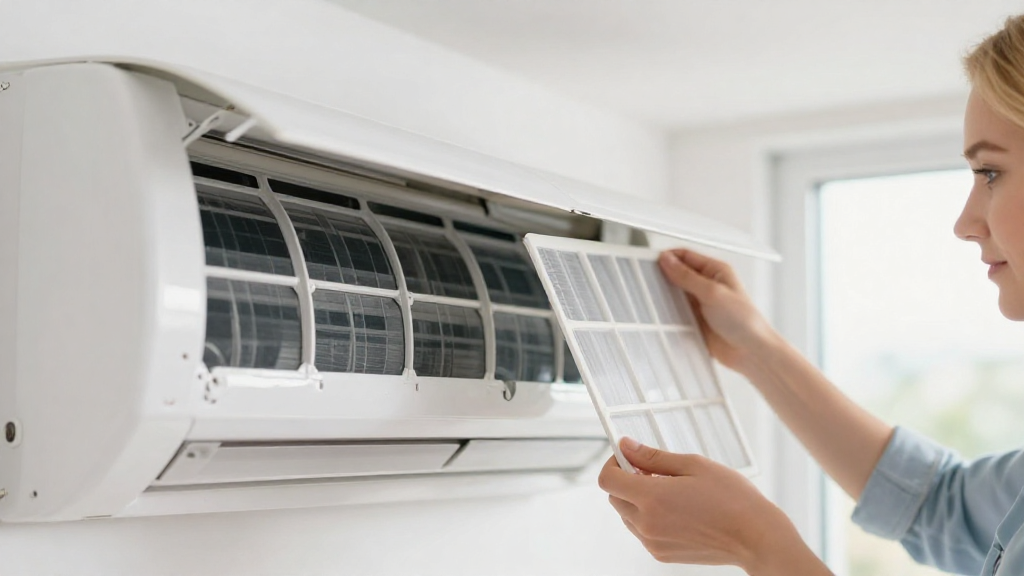
Replacing air conditioning filters is a crucial maintenance task that ensures your system runs smoothly. Implementing effective air conditioning filter replacement tips can improve air quality and energy efficiency while extending the lifespan of your HVAC system.
What Are the Benefits of Regular Air Conditioning Filter Replacement?
Regularly replacing your air conditioning filters is essential for several reasons:
-
Improved Air Quality: Clean filters trap dust, pollen, and other allergens that contribute to indoor air pollution.
-
Enhanced Efficiency: Dirty filters restrict airflow, making your system work harder. This results in higher energy consumption and increased utility bills.
-
Extended Lifespan: By maintaining clean filters, you reduce strain on your HVAC system, ultimately extending its lifespan.
-
Reduced Repair Costs: Regular replacement can help prevent costly breakdowns and the need for repairs.
-
Optimized Comfort: Clean filters contribute to consistent cooling throughout your home, ensuring that every room stays at a comfortable temperature.
How Often Should You Replace Your Air Conditioning Filters?
Knowing how often to replace your air conditioning filters is vital for maintaining optimal performance.
Here are general guidelines based on filter types:
- Fiberglass Filters: Replace every 30 days.
- Pleated Filters: Replace every 90 days.
- Electrostatic Filters: Replace every 6 months to 1 year.
- HEPA Filters: Depending on usage, replace every 12 months.
Keep in mind that factors like household size, pets, and local air quality can affect these timelines.
Regularly checking filters and replacing them when necessary is among the best air conditioning filter replacement tips.
How Do You Check the Condition of Your Air Conditioning Filters?
Checking the condition of your air conditioning filters is straightforward:
-
Turn Off the System: Safety first! Always turn off your air conditioning unit before inspecting your filters.
-
Locate the Filter: Find where your air conditioning filter is housed. This is typically near the return air duct.
-
Remove the Filter: Take out the filter carefully, avoiding any damage to the unit.
-
Inspect the Filter: Hold the filter up to a light source. If no light passes through and you see significant dust and debris, it’s time for a replacement.
-
Consider Other Indicators: If you notice increased dust accumulation in your home or uneven cooling, these may be signs that your filter needs changing.
What Are the Steps to Efficiently Replace Air Conditioning Filters?
Following a specific process can make your air conditioning filter replacement efficient:
-
Gather Necessary Tools:
– A replacement filter (make sure it’s the correct size and type).
– A screwdriver (if needed).
– A vacuum cleaner or cloth to clean the area around the filter. -
Prepare the Area:
– Clean the area around the filter housing.
– Use the vacuum or cloth to remove dust and debris. -
Remove the Old Filter:
– Gently slide out the old filter.
– Disposal should follow local regulations; many filters are recyclable. -
Insert the New Filter:
– Ensure the airflow arrows on the filter point in the correct direction (towards the blower motor).
– Slide the new filter into place gently. -
Secure Everything:
– If your unit requires screws or clips to secure the filter, make sure they’re fastened properly. -
Restore Power and Test:
– Turn the air conditioning unit back on.
– Check for proper airflow and listen for unusual sounds. -
Document the Date: Note when you replaced the filter so you can track your schedule for future replacements.
What Are Some Pro Tips for Efficient Air Conditioning Filter Replacement?
Implementing these air conditioning filter replacement tips can maximize efficiency:
-
Establish a Routine: Schedule regular replacement reminders based on the filter type.
-
Invest in a Quality Filter: Look for high-efficiency filters that capture smaller particles. While they may cost more upfront, they save on energy bills in the long run.
-
Check Other Components: While changing filters, inspect other parts of the HVAC system, such as the ducts and airflow vents. Cleaning them ensures optimal performance alongside your new filter.
-
Use a Filter Subscription Service: Some companies offer subscription services where replacement filters are sent to your home at regular intervals. This eliminates the hassle of remembering to buy them.
-
Consider Professional Help: If you’re unsure about any aspect of filter replacement or HVAC maintenance, hiring a professional can give you peace of mind.
What Common Mistakes Should You Avoid During Air Conditioning Filter Replacement?
Avoiding common mistakes can make your air conditioning filter replacement process smoother:
-
Wrong Size Filter: Always ensure you purchase filters that are the correct size for your system. A poor fit can lead to inefficient airflow.
-
Neglecting to Turn Off the System: Failing to turn off your AC can not only be dangerous but can also lead to dust and debris being blown into your home.
-
Ignoring Other Maintenance: Filters are just one part of your HVAC system. Regularly inspect other components to maintain overall efficiency.
-
Leaving Dust Behind: Always clean the area where the filter sits to prevent dust from re-entering the system.
-
Ignoring Symptoms: If the AC isn’t performing well after a filter change, consult a professional rather than relying solely on DIY fixes.
Conclusion: How to Master Air Conditioning Filter Replacement
In summary, effective air conditioning filter replacement tips revolve around regular schedule adherence, quality selection, and systematic replacement.
Proper maintenance not only ensures your home stays comfortable, but it also promotes better air quality and energy efficiency.
By developing this maintenance habit, you’ll enjoy a healthier indoor environment and potentially lower energy costs.
By following the outlined steps and tips, you can efficiently replace air conditioning filters and take control of your HVAC system’s performance.
Take action today—your future self (and your air conditioning system) will thank you!