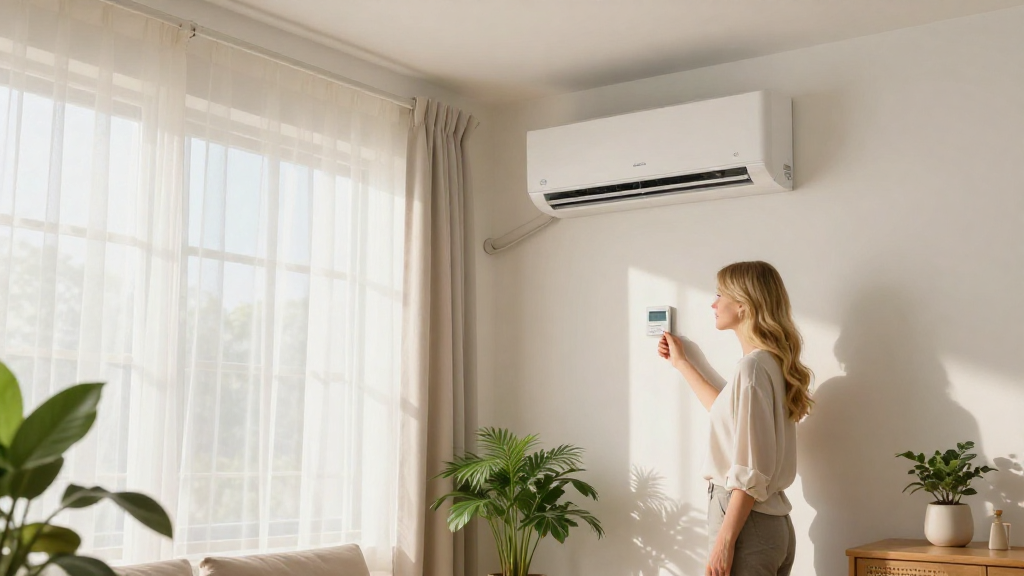
If you’re looking to save energy using air conditioning for energy savings, you’re in the right place.
Understanding how to optimize your air conditioning system can lead to significant reductions in your energy bills while maintaining a cool and comfortable environment in your home.
How Can You Make Your Air Conditioning More Efficient?
Air conditioning systems can be energy hogs, but with the right practices and maintenance, you can increase their efficiency and save money.
-
Regular Maintenance:
– Ensure your air conditioning unit is serviced regularly.
– Change air filters every one to three months.
– Clean the coils and fins to enhance air circulation. -
Programmable Thermostats:
– Invest in a programmable thermostat that adjusts temperatures based on your routine.
– Set the thermostat to increase temperatures when no one is home, and lower them before you return. -
Seal Leaks and Insulate:
– Check for and seal any leaks in ducts and around windows and doors.
– Proper insulation reduces the load on your air conditioning, making it work less hard to maintain comfortable temperatures. -
Use Ceiling Fans:
– Operate ceiling fans in conjunction with your air conditioning system.
– They can distribute cool air more effectively, allowing you to set your thermostat a few degrees higher. -
Choose Energy-Efficient Models:
– If you’re in the market for a new air conditioning unit, opt for an Energy Star-rated model.
– These units are designed for energy efficiency, which is critical for significant energy savings.
What Temperature Should You Set Your Air Conditioning At?
Setting the right temperature for your air conditioning system is crucial for energy savings.
- The U.S. Department of Energy recommends setting your thermostat at 78°F (26°C) when you’re home during the summer.
- If you need to cool down further, consider only lowering it a couple of degrees below that setting.
- During cooler evenings, turn off your air conditioning and open windows to let in fresh air.
Why Should You Close All Windows and Doors?
Keeping windows and doors closed may seem trivial, but it plays an essential role in your air conditioning’s efficiency.
- A closed window helps maintain the internal temperature and prevents hot air from entering your home.
- You can also use heavy drapes or blinds to minimize heat penetration during the day.
How Can Landscaping Help Save Energy with Air Conditioning?
Did you know that landscaping can significantly influence your air conditioning’s performance?
-
Strategic Tree Placement:
– Planting trees that provide shade to your home can block sunlight and lower indoor temperatures.
– Consider deciduous trees that lose leaves in winter but provide shade in summer. -
Shrubs and Vines:
– Use shrubs and climbing vines against walls to keep your home cooler during hot months.
– These plants can act as natural insulation against heat. -
Green Roofs:
– If possible, consider green roofs or living walls to mitigate heat absorption, providing insulation and improving energy efficiency.
What Role Does Ventilation Play in Energy Savings?
Good ventilation in your home contributes significantly to air conditioning for energy savings.
- Exhaust fans in kitchens and bathrooms remove excess heat and moisture that can burden your air conditioning.
- Whole-house fans can bring in cooler outside air during the evenings to reduce reliance on your air conditioning system.
How Important is it to Monitor Energy Usage?
Monitoring your energy usage can provide insights into how effectively your air conditioning system operates.
- Use smart energy monitors or apps to track your energy consumption.
- Recognize peak usage times and adjust your cooling methods accordingly.
Are There Smart Home Technologies for Energy Savings?
In today’s digital age, leveraging smart home technologies can streamline your efforts in achieving energy savings.
-
Smart Thermostats:
– These devices learn your schedule and preferences, optimizing your air conditioning use.
– They can be controlled remotely via smartphones, helping ensure you’re not cooling an empty home. -
Home Automation Systems:
– Integrate air conditioning control with other devices, such as room sensors, to optimize cooling throughout the house. -
Smart Sensors:
– Position smart sensors in different rooms to monitor temperature and humidity, allowing your system to adjust accurately.
When is the Best Time to Use Your Air Conditioning?
Timing can also influence energy consumption.
- The hottest times of day are usually between 2 PM and 6 PM.
- To save energy, limit air conditioning usage during these hours and focus on cooling your home during the early morning or late evening.
What Are Additional Tips for Energy Savings?
Beyond the aforementioned tactics, consider implementing the following strategies to optimize your air conditioning for energy savings:
- Limit Indoor Heat Sources:
- Use energy-efficient lighting and appliances that produce less heat.
- Avoid Cooking:
- During peak heat hours, consider preparing meals that don’t require cooking.
- Shower Wisely:
- Take cool showers rather than hot baths; this reduces bathroom heat and humidity.
Conclusion: A Path to Efficient Cooling
By adopting best practices for energy consumption and incorporating modern technologies, you can save energy using air conditioning for energy savings effectively.
Being proactive in your air conditioning management not only contributes to lower energy bills but also promotes a more sustainable future.
Make these adjustments today, and watch your savings grow while enjoying a comfortable indoor climate all summer long!