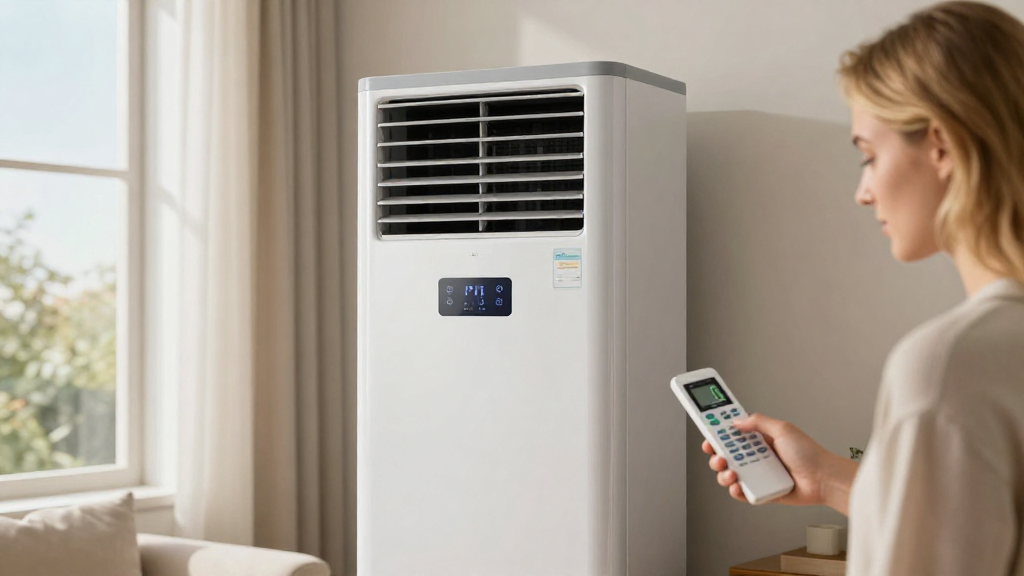
Ensuring your home stays cool during the scorching summer days is essential, but understanding air conditioning safety mechanisms is equally important. These safety features not only safeguard your equipment but also protect your home and loved ones.
In this article, we’ll delve into the air conditioning safety mechanisms available in modern systems, explaining their functionality and how to use them effectively.
What Are Air Conditioning Safety Mechanisms?
Air conditioning safety mechanisms are a set of features in HVAC systems designed to prevent accidents, protect circuitry, and ensure efficient operation.
Here are some common safety mechanisms you’ll find in most air conditioning units:
-
Thermostatic Expansion Valve (TXV): Helps regulate the refrigerant flow, preventing freezing and potential damage.
-
High-Pressure Switch: Shuts down the system if pressure exceeds safe limits, reducing the risk of explosions.
-
Low-Pressure Switch: Prevents the system from running when refrigerant levels are too low, helping avoid compressor damage.
-
Emergency Shutoff Switch: Allows manual activation to turn off the system in case of an emergency.
-
Air Filters: Block dirt and debris, contributing to efficient operation and preventing overheating.
By utilizing these features, you can enhance your air conditioner’s performance while reducing the risk of malfunctions. Let’s discuss how to use these mechanisms effectively for safety.
How Can You Ensure Your Air Conditioning System is Safe?
Safety starts with regular maintenance, which includes checking the air conditioning safety mechanisms that your system employs. Here’s how to ensure a safe operation:
Regular Maintenance Checks
-
Inspect Your Filters: Clogged air filters can lead to overheating.
-
Check and replace them every 1-3 months.
-
Clean Coils and Units: Dirt on the evaporator or condenser coils can hinder efficiency.
-
Schedule a professional cleaning at least once a year.
-
Check Ductwork: Ensure there are no leaks or blockages, as they can affect airflow and system performance.
Understanding Control Panels
Most modern air conditioning units come equipped with a control panel that indicates the status of your system.
-
Check Indicators: Regularly monitor your control panel for warning lights.
-
Resetting Safety Mechanisms: In case of a trip, know how to reset your system per the manufacturer’s instructions.
What to Do in Case of a Malfunction?
Even with proper maintenance, issues can arise. Responding promptly is crucial. Here are steps to follow:
-
Turn Off the Unit: Immediately turn off your air conditioner if you notice strange noises, erratic behavior, or unusual smells.
-
Identify the Alarm: Check if the control panel shows a specific alert related to the air conditioning safety mechanisms.
-
Contact a Professional: If you cannot determine the cause, it’s best to call a certified technician.
-
Document the Issue: Take note of the symptoms, model number, and previous maintenance performed for reference.
Can You Prevent Overheating with Safety Features?
Yes, overheating in air conditioning systems can be mitigated through effective use of their safety mechanisms.
Utilize the Thermostatic Expansion Valve
The TXV is crucial for preventing the evaporator coil from freezing, which can lead to overheating.
- Check the TXV: Make sure it’s functioning properly during scheduled maintenance.
Monitor the Pressure Levels
The high and low-pressure switches play a vital role in maintaining safe operation.
- Observe System Pressure: Understanding the recommended pressure range can help you know if issues arise.
Are There Signs of Overheating?
Recognizing the signs of overheating can save you from costly repairs or replacements.
-
Excessive Noise: Grinding or squeaking noises might indicate a breakdown.
-
Unusual Smells: A burning smell can indicate electrical issues or overheating wiring.
-
Climate Changes: If your system struggles to maintain the desired temperature, it may be overheating.
If you notice any of these signs, it’s best to consult a professional technician as soon as possible.
How Do Environmental Factors Impact Air Conditioning Safety?
The environment plays a role in your air conditioner’s performance and safety.
Humidity Levels
High humidity can lead to issues with condensation.
- Use a Dehumidifier: This can alleviate moisture levels and improve air conditioner efficiency.
Outdoor Conditions
Extreme weather, like heavy rain or strong winds, can put stress on your system.
- Protect the Unit: Ensure your outdoor unit is shielded from debris and flooding.
Seasonal Care
Seasonal changes can affect the efficiency and safety of your air conditioning unit.
-
Pre-Summer Servicing: Have your unit inspected before the hot season starts.
-
Post-Winter Checks: Conduct checks to ensure no winter storms caused damage to your system.
Are There Any Additional Safety Tips?
Besides understanding and utilizing the air conditioning safety mechanisms, adopting these additional safety tips can enhance your air conditioning experience:
-
Use a Programmable Thermostat: This can prevent overworking the system when you’re not home.
-
Educate Family Members: Make sure everyone in your household knows how to operate and shut off the system in case of an emergency.
-
Keep the Surroundings Clear: Regularly check the area around your outdoor unit—keep it free from leaves, snow, and other obstructions.
-
Consider an HVAC Inspection: Scheduling a professional inspection every one to two years can ensure systems are up-to-date with safety features.
Understanding how to use air conditioning safety mechanisms will not only improve the longevity of your AC unit but also provide peace of mind.
By regularly maintaining your system and being vigilant about environmental factors and potential malfunctions, you can create a safe, comfortable living environment for your family.
In conclusion, your air conditioning system is an essential part of your home. Utilizing its built-in safety mechanisms can ensure it operates efficiently and safely. Prioritizing regular maintenance, understanding control panels, and being vigilant about environmental factors are key to maximizing the functionality and safety of your air conditioner.