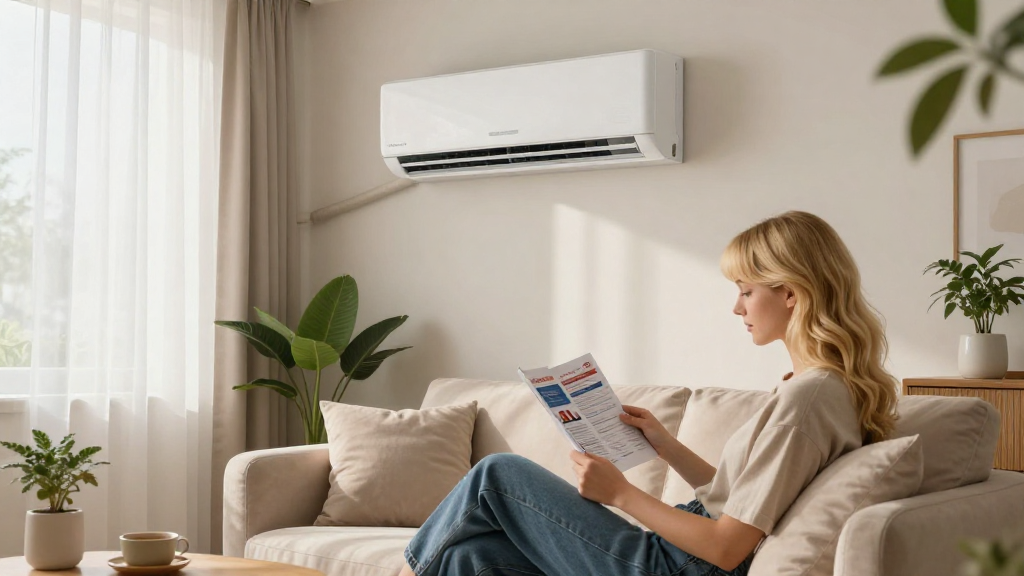
When the heat of summer approaches, many of us turn to air conditioning to stay cool and comfortable.
However, it’s essential to be aware of certain air conditioning safety tips to protect yourself and maintain your system effectively.
In this article, we’ll explore various aspects of air conditioning safety, ensuring you can enjoy a refreshing indoor environment without any risks.
What Are the Key Air Conditioning Safety Tips?
1. Regular Maintenance is Crucial
One of the most significant air conditioning safety tips revolves around proper maintenance.
-
Change Filters Regularly: Dirty filters can cause poor indoor air quality and might lead to overheating.
Aim to change them every 1-3 months, depending on usage. -
Schedule Professional Inspections: Regular check-ups by HVAC professionals can help identify issues before they become serious problems.
Ideally, have your system inspected before the peak season.
2. What is the Proper Use of Your System?
Understanding how to use your air conditioning system safely can prevent accidents and enhance efficiency.
-
Set a Safe Temperature: While it might be tempting to set your thermostat to an incredibly low temperature, it’s more energy-efficient—and safer—to maintain a moderate level (between 72°F and 78°F is ideal).
-
Avoid Overloading Circuits: When using multiple air conditioning units or electric fans, ensure your electrical circuits can handle the load.
This helps prevent fire hazards.
3. How to Ensure Proper Ventilation?
Good ventilation is essential for both air quality and safety.
-
Keep Vents Clear: Ensure that no furniture or drapes block the air vents in your home.
Blocked vents can lead to inefficient airflow, causing the system to work harder and potentially overheat. -
Use Fresh Air Intake: Many modern systems have a fresh air intake feature. This allows for better ventilation and can also improve indoor air quality.
Make sure it’s functioning properly for optimized use of your air conditioning.
4. What Are The Dangers of Improper AC Use?
Understanding the potential hazards can encourage safer usage.
-
Carbon Monoxide Poisoning: If you have a gas-powered air conditioner, ensure it is adequately vented. Poor ventilation can lead to dangerous gas build-up in your home.
-
Electrical Hazards: Always be mindful of electrical cords and connections.
Frayed or damaged cords can pose a significant fire risk, so check for any signs of wear. -
Dehydration and Over-exposure: While air conditioning keeps you cool, prolonged exposure without adequate hydration can lead to dehydration. Ensure you drink plenty of water, especially during extremely hot days.
5. Can Children and Pets Stay Safe?
Air conditioning can be especially tricky if you have small children or pets at home.
-
Keep Controls Out of Reach: Children may play with the thermostat or remote controls.
Consider placing them out of reach to avoid unnecessary adjustment. -
Adjust for Comfort: Pets can struggle in extreme temperatures as well.
Make sure the room temperature is comfortable for them, just as it is for you.
6. What Should You Do During a Power Outage?
Power outages can disrupt air conditioning usage, and it’s crucial to know how to stay safe.
-
Turn Off the System: If you experience a power outage, switch off your air conditioning system.
Turning it back on too quickly after power restoration can damage the unit. -
Use Fans and Open Windows: Until the power returns, use fans and open windows to circulate air and cool down your living space.
Just ensure that the weather outside is safe for this approach.
7. How to Choose the Right System?
Selecting an air conditioning system suited to your space can impact safety and efficiency.
-
Consult an HVAC Professional: They can help identify the right size—an over or under-sized unit can lead to problems.
-
Look for Energy-Efficient Models: Systems with better energy ratings not only save you money but also reduce the risk of overheating.
Energy-efficient air conditioners are often designed with built-in safety mechanisms.
8. What are Emergency Procedures?
In case something goes wrong with your air conditioning system, knowing emergency procedures is essential.
-
Identify Emergency Shut-Off Switches: Ensure you know where the emergency shut-off switch for your AC is located.
This can help you act quickly in the event of an unexpected malfunction. -
Have a Contact List Ready: Keep the contact information of HVAC professionals easily accessible.
This will make it easier to get repairs done quickly.
9. How to Stay Informed on Safety Updates?
Air conditioning technology—and safety standards—are continually evolving.
Stay informed by:
-
Following Trusted Brands: Subscribe to newsletters from reputable air conditioning brands.
-
Joining Community Forums: Engage in discussions about air conditioning safety in online forums or social media groups.
-
Consulting Local Regulations: Keep an eye on your local laws and guidelines surrounding air conditioning standards to ensure compliance.
Conclusion: 6 Essential Air Conditioning Safety Tips to Remember
Incorporating air conditioning safety tips into your routine will not only keep you comfortable but also protect your home and loved ones.
Here are six quick safety reminders:
- Regularly maintain and inspect your system.
- Use the air conditioning system properly and avoid overloading.
- Ensure adequate ventilation throughout your space.
- Be aware of carbon monoxide and electrical hazards.
- Adjust settings for the safety of children and pets.
- Stay informed on safety protocols and technology improvements.
By following these vital tips, you can enjoy a safe and comfortable environment with your air conditioning. Remember, safety first makes for a pleasant summer!