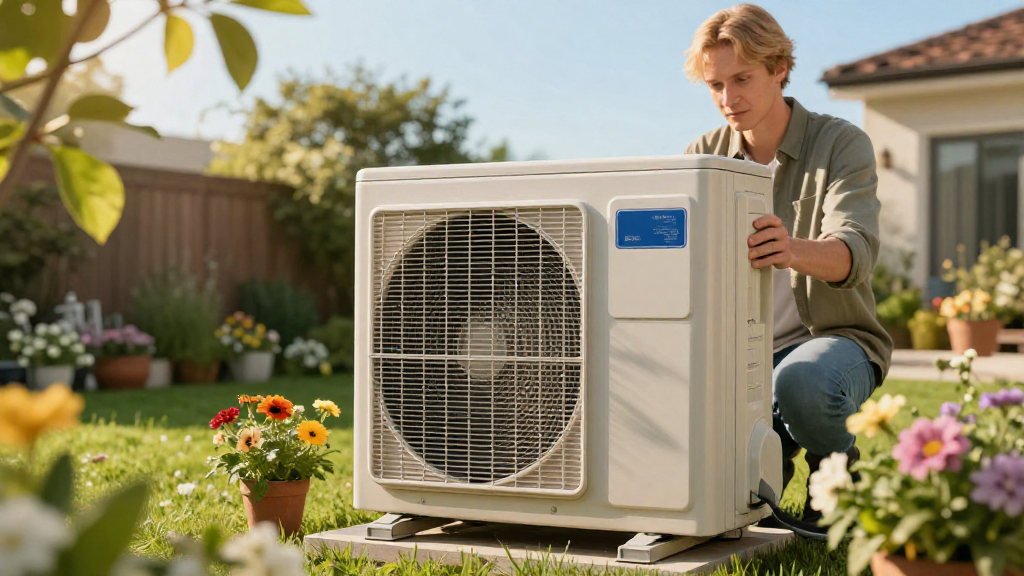
When it comes to maintaining a comfortable environment at home, understanding air conditioning seasonal tips is essential.
Not only does proper preparation extend the lifespan of your HVAC system, but it also ensures that it operates efficiently and effectively year-round.
Why is Seasonal Preparation Important for Your Air Conditioning?
Preparing your air conditioning system for each season is crucial for a variety of reasons:
-
Efficiency: Regular maintenance improves energy efficiency, helping you save on electricity bills.
-
Longevity: Routine checks can prevent unnecessary wear and tear, prolonging the life of your unit.
-
Health: A well-maintained air conditioning system improves air quality, keeping allergens and pollutants at bay.
-
Comfort: Seasonal preparation ensures that your home stays comfortable regardless of external weather conditions.
Now, let’s break down the essential air conditioning seasonal tips for each season.
How to Prepare Your Air Conditioning for Spring?
Spring is the perfect time to prepare your air conditioning for the upcoming heat. Here’s what you should do:
- Clean or Replace the Air Filters:
-
Dirty air filters can restrict airflow, making your unit work harder.
-
Aim to clean or replace them every 1-3 months during peak usage.
- Examine the Ductwork:
-
Inspect for any leaks or blockages that could compromise efficiency.
-
Sealing ducts can save you a significant amount on energy costs.
- Check Refrigerant Levels:
-
Low refrigerant can reduce cooling capacity.
-
Have a professional technician check and recharge refrigerant levels as needed.
- Schedule Annual Maintenance:
-
Hiring a professional to inspect your air conditioning system ensures that all components are functioning correctly.
-
An annual tune-up can catch potential issues before they become costly repairs.
- Remove Debris:
-
Clear leaves, dirt, and other debris from around the outdoor unit.
-
Ensure that there’s at least two feet of clearance around the condenser.
What Do You Need to Do for Summer Cooling?
As summer arrives, you want to ensure that your cooling system is ready to handle the heat. Follow these air conditioning seasonal tips:
- Check Thermostat Settings:
-
If you have a programmable thermostat, set it to a temperature that balances comfort and energy efficiency.
-
Consider upgrading to a smart thermostat for additional convenience.
- Inspect the Condensate Drain:
-
Clear any clogs that may cause water damage and increase humidity inside your home.
-
A well-functioning drain helps maintain efficient cooling.
- Use Fans to Enhance Cooling:
- Ceiling fans or portable fans can help circulate air effectively, allowing you to set your thermostat a few degrees higher without sacrificing comfort.
- Conduct an Energy Audit:
-
Assess your home for air leaks, poor insulation, or unshaded windows that can lead to increased cooling costs.
-
Make necessary changes to maximize your system’s efficiency.
- Close Blinds and Drapes:
-
Keep your home cool by closing window treatments during peak sunlight hours.
-
Light-colored curtains can reflect heat and reduce indoor temperatures.
How to Get Ready for the Fall Season?
As the temperatures start to drop, you’ll need to shift your focus from cooling to heating. Here are some fall air conditioning seasonal tips:
- Schedule a Professional Inspection:
-
Before winter hits, have a technician inspect your system to ensure it can handle the transition to heating.
-
They can also check for any maintenance needs for your heating system.
- Reverse Ceiling Fan Direction:
- Adjust ceiling fans to circulate warm air downwards, helping to keep your home cozy.
- Replace Air Filters:
- As you switch from cooling to heating, make it a point to replace your air filters to accommodate any dust buildup.
- Seal Doors and Windows:
- Use caulk or weather stripping to seal gaps, ensuring warm air stays in and cold air stays out.
- Consider Covering Your Outdoor Unit:
-
A cover can protect your air conditioning unit from falling leaves and winter debris.
-
Just ensure your cover allows for ventilation to prevent moisture buildup.
What Should You Do for Winter?
Winter is often a quiet time for air conditioning systems, but that doesn’t mean you should neglect them. Here are some essential air conditioning seasonal tips for winter preparation:
- Turn Off Your System:
-
If you live in an area where temperatures drop significantly, it’s a good idea to turn off your air conditioning altogether.
-
Unplug any power supply to avoid unnecessary energy consumption.
- Clean and Store Portable Units:
-
If you have portable air conditioning units, clean them thoroughly and store them in a dry place.
-
This prevents mold and keeps them in good condition for the next summer.
- Check Insulation:
- Assess the insulation in your attic and around ductwork to ensure your home remains energy-efficient through the winter months.
- Prepare for a Transition to Heating:
-
If your system includes both heating and cooling, test the heating side before winter fully sets in.
-
Make sure that the thermostat functions properly for the season ahead.
- Finalize Your Winter Maintenance Checklist:
- Ensure your HVAC system is ready for the colder months by addressing any issues identified during the fall.
In Conclusion
By properly preparing your air conditioning system for each season, you enhance its performance and prolong its longevity.
Implement these air conditioning seasonal tips today, and you’ll enjoy a comfortable home year-round.
Remember that professional maintenance is a necessary investment that pays off in both comfort and energy savings.
Stay proactive, and your air conditioning system will be ready to provide comfort for your family, no matter the season!