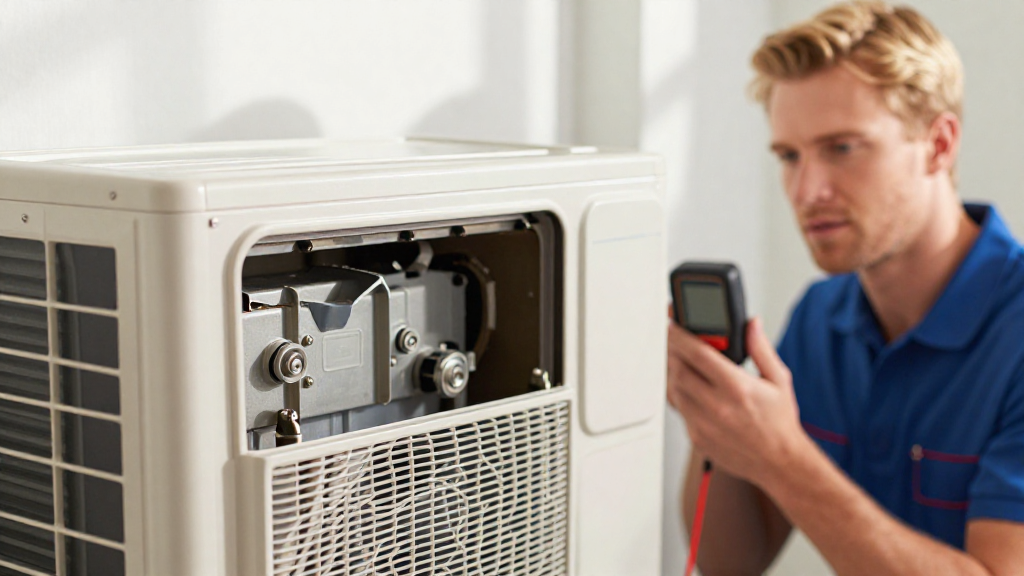
Understanding the various air conditioning troubleshooting sounds can significantly improve your ability to identify issues with your HVAC system.
In this article, we will discuss how to recognize common sounds made by air conditioning units and what they might indicate about your system’s performance.
What Sounds Should You Listen For?
When conducting air conditioning troubleshooting, it’s essential to listen closely for specific sounds.
Here are some common sounds you might hear:
- Hissing or Bubbling: Typically indicates a refrigerant leak.
- Buzzing: May suggest an electrical issue, possibly a faulty capacitor or wiring.
- Clinking or Clattering: Often points to loose or broken parts within the blower or fan.
- Screeching or Squealing: Commonly related to worn-out bearings in the motor or a lack of lubrication.
- Rattling: Usually suggests loose debris or components within the unit.
Understanding these air conditioning troubleshooting sounds can help you quickly identify and address potential issues.
What Does a Hissing Sound Mean?
Hissing or bubbling noises can be one of the clearer indicators of problems involving refrigerant in your air conditioning system.
This sound often suggests:
- Refrigerant Leak: The most common cause of hissing. This issue can lead to decreased efficiency and a potential breakdown, requiring immediate attention.
- Expansion Valve Issue: In some cases, the sound may arise from an expansion valve malfunction, creating pressure changes that lead to hissing.
If you hear this sound, it’s advisable to consult a professional HVAC technician to conduct a thorough inspection.
How Do I Interpret Buzzing Noises?
When it comes to buzzing sounds, it’s crucial to determine whether the sound is consistent or sporadic.
-
Electrical Issues: Often, buzzing is linked to electrical problems, which may involve:
– Faulty contactor
– Worn wiring
– Bad capacitor -
Capacitor Failure: If the capacitor is going bad, it can generate a buzzing sound when the unit attempts to start.
-
Interference with the Fan: Occasionally, the fan may encounter objects that cause a buzzing sound as it attempts to operate.
If buzzing persists, it’s essential to turn off the unit and consult a professional HVAC service as it may indicate a significant problem.
What Does Clinking or Clattering Indicate?
Hearing clinking or clattering during operation usually points to mechanical issues within your air conditioning system.
- Loose Components: Often, you may find that a screw or bolt has come loose and is causing parts to vibrate against one another.
- Broken Blower Wheel: If the sound is more pronounced, it may signify that the blower wheel is broken or damaged.
To address this issue, turn off your air conditioning and inspect the unit, particularly the interior components. If you’re unsure, contacting a technician is the best course of action.
Why Does My AC Squeal?
Screeching or squealing noises from your air conditioning unit are serious and typically indicate problems with moving parts.
-
Worn Bearings: Over time, the bearings may wear down and need replacement. This problem can worsen if not addressed, leading to complete unit failure.
-
Belt Issues: A slipping or damaged belt can also cause the unit to produce these high-pitched sounds.
If you hear squealing, it’s best to contact a professional HVAC technician immediately.
What to Do About Rattling Sounds?
Rattling noises often act as your air conditioning system’s way of warning you about debris or loose parts.
-
Debris: Leaves, sticks, or other debris may be lodged in the unit.
-
Loose Panels or Bolts: Sometimes, outer covers may become loose, leading to rattling during operation.
You can quickly resolve minor debris issues by cleaning or checking the unit. However, if it’s a loose component, further inspection is necessary, and you should consult a technician.
How Can I Prevent Future Troubles?
Taking preventive measures can save you from costly repairs and extend your air conditioning unit’s lifespan. Here are several tips to consider:
- Regular Maintenance: Schedule annual maintenance checks for your system.
- Clean Filters: Dirty filters can lead to excessive strain on your unit. Make a habit of checking and replacing them monthly during peak seasons.
- Inspect Ducts: Ensure that ducts are clean and free from obstructions that can cause additional strain.
By being proactive, you can minimize the chances of hearing alarming air conditioning troubleshooting sounds.
When Should I Call a Professional?
While knowing how to diagnose air conditioning by sound is an excellent first step, there are times when it’s best to leave troubleshooting to the professionals.
Here are some signs indicating you should contact an HVAC expert:
- Persistent Noise: If sounds continue despite performing basic maintenance.
- A Sudden Increase in Energy Bills: Often indicates inefficiencies in your air conditioning system.
- System Not Cooling Properly: If your air conditioning struggles to maintain your desired temperature.
- Leakage: Any sign of moisture or refrigerant leakage should be treated with urgency.
Recognizing when it’s time to call a professional can save you money and stress in the long run.
Conclusion
Diagnosing air conditioning by sound is an invaluable skill that can help homeowners identify potential problems before they escalate.
By learning to interpret the air conditioning troubleshooting sounds, you can more easily recognize when an issue is minor and when it requires professional attention.
Always prioritize maintenance and address unusual noises promptly to ensure your system operates efficiently and effectively.
With this guide, you should be well-equipped to handle various air conditioning troubleshooting sounds and keep your HVAC system in peak condition.