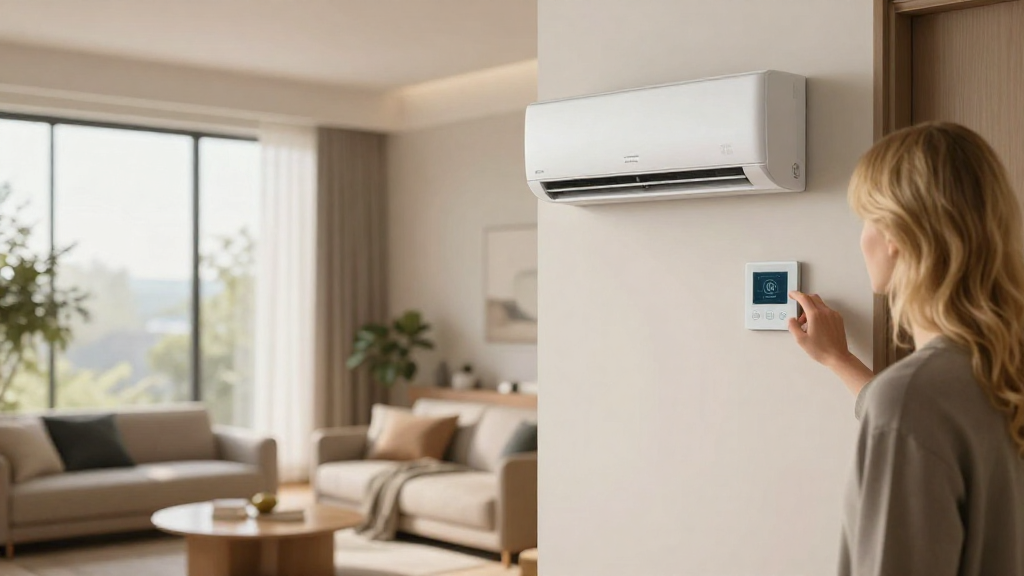
Air conditioning zone control is a powerful method to enhance the efficiency of your cooling system while providing personalized comfort throughout your home.
What Is Air Conditioning Zone Control?
Air conditioning zone control refers to the capability of managing the temperature in different areas, or zones, of your home independently.
This approach allows homeowners to customize their cooling preferences based on specific needs in various rooms.
Here’s how it works:
- Ductwork: The system uses dampers in the ductwork to control airflow to different areas.
- Thermostats: Each zone is regulated by its own thermostat, ensuring that each zone is cooled to the desired temperature.
By employing air conditioning zone control, you can save energy, reduce utility bills, and create a more comfortable living environment.
Why Do You Need Air Conditioning Zone Control?
What are the Benefits of Zone Control?
Implementing air conditioning zone control can be significantly beneficial for various reasons:
-
Energy Efficiency:
– Zone control allows you to cool only the rooms in use.
– This targeted cooling saves energy, lowering your utility bills. -
Increased Comfort:
– Different rooms can be set to different temperatures.
– Family members can customize their zones according to personal preferences. -
Reduced Wear and Tear:
– By operating your HVAC system more efficiently, you can extend its lifespan.
– Zone control leads to less strain on the unit. -
Cost Savings:
– Over time, the savings on energy bills can offset the initial investment in a zone control system. -
Better Air Quality:
– Enhanced airflow can lead to improved air quality in your home.
– Allowing for seasonal adjustments can enhance occupant comfort.
How to Implement Air Conditioning Zone Control?
What Steps Are Involved?
Using air conditioning zone control effectively requires several steps to ensure optimal performance.
1. Evaluate Your Home’s Layout:
– Identify areas that have different heating and cooling needs.
– Look for spaces that experience variable sun exposure or have fluctuating occupancy.
2. Choose the Right System:
– Select a zone control system compatible with your existing HVAC equipment.
– Options include ducted systems with dampers or ductless mini-split systems for enhanced flexibility.
3. Install Dampers and Thermostats:
– Engage a professional to install motorized dampers in your ductwork.
– Place programmable or smart thermostats in each zone for precise temperature regulation.
4. Configure Your System:
– Set desired temperatures for each zone according to preferences.
– Use thermostat scheduling features to maximize energy savings.
5. Regular Maintenance:
– Schedule regular maintenance checks to ensure the system is running efficiently.
– Clean or replace filters regularly to maintain air quality.
How Does Air Conditioning Zone Control Work?
What Mechanisms Drive Zone Control?
Air conditioning zone control systems are based on advanced technology.
1. Zoning System Components:
– Dampers:
– Motorized dampers are installed in ductwork to control airflow to each zone.
- Thermostats:
-
Each zone has its own thermostat to maintain individual temperature settings.
-
Central Control Panel:
- This panel connects all components and allows homeowners to set preferences easily.
2. Smart Controls:
– Many modern systems offer smart controls that integrate with home automation systems.
– You can manage your cooling remotely using smartphone apps or voice commands.
3. Sensors:
– Some advanced systems come with temperature sensors that monitor the environment in real-time, adjusting as needed.
Is Air Conditioning Zone Control Right for Your Home?
How to Make a Decision?
Determining if air conditioning zone control is suitable for your home can be a straightforward process.
1. Consider Your Family’s Lifestyle:
– Do family members have different temperature preferences?
– Are there rooms that are used less frequently?
2. Assess the Size of Your Home:
– Large homes with multiple levels benefit significantly from zoning.
– Homes with open floor plans may need less extensive zoning solutions.
3. Analyze Your Energy Bills:
– Are your utility bills higher than average?
– Zone control could help you achieve savings by cooling only the needed areas.
4. Check HVAC Compatibility:
– Make sure your existing HVAC system can accommodate zone control modifications.
– If not, you might need to consider a new system entirely.
Common Misconceptions About Air Conditioning Zone Control
What Should Homeowners Know?
While air conditioning zone control offers numerous benefits, several myths cloud its effectiveness:
-
It’s Too Expensive:
– Initial installation can be costly, but long-term savings often outweigh the upfront costs. -
It’s Too Complicated:
– Modern systems are designed for user-friendly operation, especially with smart technology. -
It’s Only for New Homes:
– Many existing homes can be retrofitted with air conditioning zone control systems.
Conclusion
Air conditioning zone control is an innovative and efficient way to ensure comfort in your home.
By allowing individual temperature management and optimizing energy usage, it offers a new level of convenience and savings.
If you find that your family has varying cooling needs, making the switch to an air conditioning zone control system might be beneficial.
Investing in this technology can create a comfortable home environment while reducing energy bills, making it a win-win for homeowners.