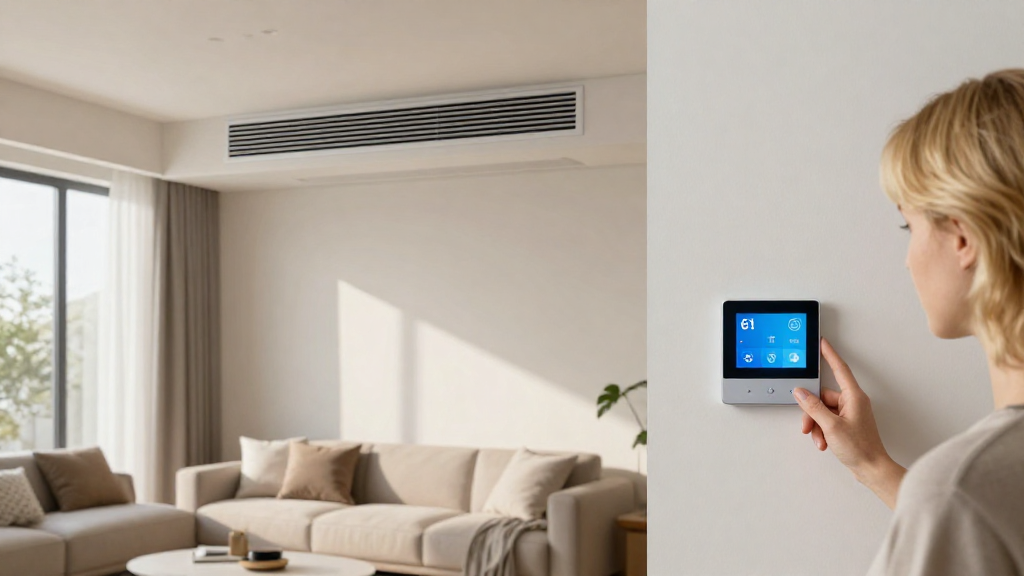
When it comes to maximizing comfort and efficiency in your home, air conditioning zoning systems can play a pivotal role.
What Are Air Conditioning Zoning Systems?
Air conditioning zoning systems are an innovative approach to heating and cooling your home.
Instead of relying on a single thermostat and a traditional HVAC system that controls the entire house uniformly, zoning systems allow you to divide your home into different zones.
Each zone can be controlled separately, giving you the ability to customize the temperature and comfort level for each area.
This not only enhances comfort but also leads to significant energy savings.
How Do Air Conditioning Zoning Systems Work?
Air conditioning zoning systems work through a combination of smart technology and mechanical components.
Here’s how they function:
-
Multiple Thermostats: Each zone has its own thermostat. These thermostats communicate with the central HVAC system to adjust temperature settings based on individual preferences.
-
Dampers: Zoning systems use motorized dampers in the ductwork. These dampers regulate the airflow to specific zones as needed, ensuring that each area receives the desired amount of heating or cooling.
-
Control Panel: A central control panel coordinates all the thermostats and dampers. This ensures that the entire system operates efficiently and seamlessly.
By using air conditioning zoning systems, homeowners can fine-tune their climate control preferences.
Why Should You Consider Air Conditioning Zoning Systems?
There are several compelling reasons to incorporate zoning systems into your air conditioning strategy:
-
Enhanced Comfort: Different areas of your home may have varied heating or cooling needs due to factors like sunlight exposure or furniture placement. Zoning systems help ensure that everyone in your household feels comfortable.
-
Energy Efficiency: With zoning, you can avoid heating or cooling unused spaces. This smart management of your HVAC system can lower energy bills significantly.
-
Reduced Wear and Tear: By allowing your HVAC system to operate more efficiently, zoning systems can help prolong the lifespan of your heating and cooling equipment.
-
Customizable Solutions: Whether you have a multi-story home or a unique layout, zoning systems can be tailored to suit your specific needs.
How to Install Air Conditioning Zoning Systems?
Installing air conditioning zoning systems is a complex process that typically requires professional assistance, but here are the basic steps involved in the installation:
-
Assess Your Home: A professional will evaluate your home’s layout, existing HVAC system, and insulation. They will help determine the best zoning configuration.
-
Design Zoning Plan: Create a detailed zoning plan that outlines which areas will be designated as zones based on usage and comfort.
-
Install Dampers: Motorized dampers will be installed in the ductwork that controls airflow to each zone.
-
Thermostat Setup: Install individual thermostats in each zone. These can be programmable or smart thermostats for greater control and convenience.
-
Connect the Control System: The master control panel is connected, ensuring that all components communicate effectively for optimal performance.
-
Test the System: Once installed, the system should be thoroughly tested to ensure all zones are functioning correctly.
-
Educate Homeowners: Finally, homeowners should be educated on how to operate the new zoning system effectively.
While it’s possible to attempt a DIY approach, professional installation is highly recommended for optimal results with air conditioning zoning systems.
What Are Common Features of Air Conditioning Zoning Systems?
Some key features of air conditioning zoning systems include:
-
Smart Technology Integration: Many modern zoning systems can be controlled using smartphone apps or integrated with smart home devices.
-
Programmable Thermostats: Set different temperatures according to times of the day or occupancy.
-
Energy Reporting: Keep track of energy usage in each zone, helping to identify potential savings.
-
Compatibility with Heating Systems: Many zoning systems work not only with air conditioning but also with heating systems, providing year-round comfort control.
How Can Air Conditioning Zoning Systems Save You Money?
The potential savings from air conditioning zoning systems can be substantial. Here’s how:
-
Lower Energy Bills: By targeting specific zones rather than heating or cooling the entire home, homeowners can significantly reduce energy consumption.
-
Extended Equipment Lifespan: Efficient airflow and operation lead to less wear on your HVAC system, which means lower repair and replacement costs over time.
-
Increased Property Value: Zoning systems add a desirable feature to your home, which can be a selling point should you decide to move in the future.
Are There Any Cons to Using Air Conditioning Zoning Systems?
While air conditioning zoning systems offer many advantages, there are also some potential drawbacks to consider:
-
Higher Initial Costs: The upfront installation costs can be more compared to a traditional HVAC system.
-
Complexity: The system’s intricate design may require more professional maintenance and repairs.
-
Potential for Overcomplication: Too many zones can make adjustments confusing or complicated if not managed properly.
How to Optimize Your Air Conditioning Zoning Systems?
To make the most of your air conditioning zoning systems, consider the following tips:
-
Regular Maintenance: Schedule routine check-ups for your HVAC system to ensure it’s running efficiently.
-
Smart Thermostat Usage: Utilize programmable or smart thermostats to optimize settings based on your routine and occupancy.
-
Insulation and Sealing: Ensure your home is well-insulated and sealed to minimize energy loss, maximizing the efficiency of your zoning system.
-
Educate Family Members: Make sure all family members understand how to use the zoning system to ensure comfortable and efficient operation.
In summary, air conditioning zoning systems provide an effective way to enhance comfort and efficiency in your home.
By understanding how they work, the benefits they offer, and how to optimize their performance, you can transform your living space into a more enjoyable environment.
Investing in zoning systems is not just a trend; it’s a significant step towards creating a perfectly climate-controlled home.
Explore your options today and take full advantage of what air conditioning zoning systems can offer!