Choosing a smart electric baseboard heater can make everyday heating easier to manage, especially if you want better scheduling, remote control, and more consistent room comfort.
Our roundup focuses on the features that matter most: compatibility, install type, app quality, and the right fit for bedrooms, living areas, and hard-to-heat spaces.
Best 10 Smart Electric Baseboard Heater Picks for 2026
Smart control upgrade
Mysa Smart Thermostat LITE for Electric Baseboard Heaters
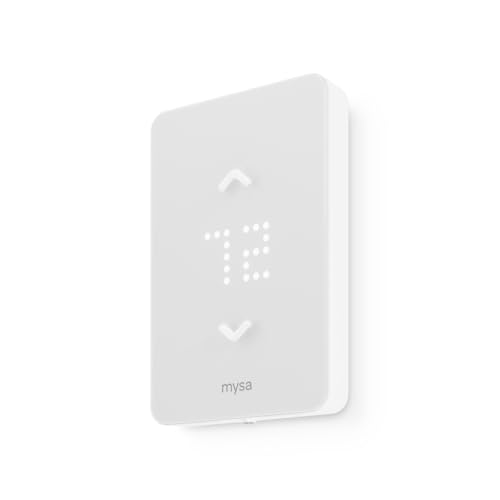
- Wi‑Fi control with no hub required
- Works with HomeKit, Alexa, and Google Home
- 7-day scheduling with runtime reports
Best For: Compatible baseboard heaters needing app-based control and scheduling
Smart wall-mounted heating
Heat Storm HS-1500-PHX-WIFI Wall Mounted Infrared Heater

- Wi‑Fi control from your phone
- Wall-mounted design saves floor space
- Includes thermostat, remote, and safety shutoff
Best For: Small rooms needing a compact Wi‑Fi heater
Smart thermostat replacement
Mysa Smart Thermostat for Electric Baseboard Heaters

- Works with Alexa, Google Assistant, and HomeKit
- Supports 120V-240V high-voltage systems
- Includes scheduling and energy insights
Best For: Compatible high-voltage baseboard systems with smart-home integration
Portable basic heat
Cadet F Series 49 Portable Electric Baseboard Heater

- 1500W heating at 120V
- Portable form factor for flexible placement
- Covers bedrooms, offices, and living rooms
Best For: Basic indoor heating without smart features
High-Voltage Smart Thermostat
meross HomeKit Wi‑Fi Smart Thermostat

- Works with HomeKit, Alexa, Google Home, and SmartThings
- Built for 120V-240V electric baseboard and similar heaters
- Adds scheduling, energy monitoring, and open-window detection
Best For: Upgrading an existing high-voltage baseboard heating system
Smart Wall Heater
GiveBest 1500W WiFi Wall Heater

- WiFi, remote, and touch controls in one heater
- 1500W output covers up to 200 sq. ft.
- ECO mode and thermostat help manage energy use
Best For: Small rooms that need wall-mounted zone heating
Matter Baseboard Thermostat
meross Matter Baseboard Thermostat
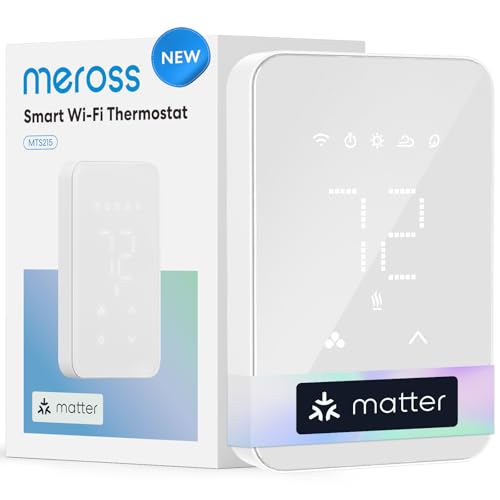
- Matter support works across Alexa, HomeKit, Google, and SmartThings
- Built for 120V-240V high-line voltage electric heaters
- Adds scheduling, energy monitoring, and open-window detection
Best For: Multi-platform smart homes with electric baseboard heat
Smart Pick for Larger Rooms
Dreo Smart Wall Heater for Bedroom & Home

- 120° oscillation spreads heat more evenly
- App, remote, Alexa, and Google control
- 41°F to 95°F with 1°F temperature steps
Best For: Primary or supplemental heating in larger bedrooms, offices, or living rooms
Safety-Focused Bathroom Choice
DREO IP24 Wall Heater for Bathroom

- IP24 rating with ALCI plug and overheat protection
- Alexa, app, remote, and touch controls
- ECO mode with 41°F to 95°F temperature range
Best For: Bathrooms and compact rooms that need extra safety features
Quiet Performance Pick
DREO Smart Wall Heater for Office

- Low 28 dB operation for quieter rooms
- 11.5 ft/s airflow with 30° oscillation
- App, remote, Alexa, and ECO mode control
Best For: Bedrooms and offices where quiet, precise warmth matters
Smart control upgrade – Mysa Smart Thermostat LITE for Electric Baseboard Heaters
If you want a smart electric baseboard heater setup without replacing the heater itself, this Mysa thermostat is built for that job. It adds Wi‑Fi control, scheduling, and voice assistant support to compatible high-voltage electric heat, making it a strong upgrade for rooms where comfort and energy savings matter.
Best For: Homeowners who want easy app control and scheduling for compatible electric baseboard heaters.
Pros:
- Supports 120V, 208V, and 240V electric baseboard, fan-forced, wall, and convector heaters
- Wi‑Fi control with no hub required, plus app access from anywhere
- Works with Apple HomeKit, Amazon Alexa, and Google Home
- 7-day scheduling and runtime reports can help reduce heating costs
Cons:
- Requires 4 wires, so it is not suitable for every existing setup
- Only works with compatible high-voltage electric heating systems
For buyers focused on convenience and energy management, this is one of the more practical smart electric baseboard heater controls. It combines simple installation guidance with the key features most people want: scheduling, remote access, and voice control.
Smart wall-mounted heating – Heat Storm HS-1500-PHX-WIFI Wall Mounted Infrared Heater
This wall-mounted heater is a different take on a smart electric baseboard heater alternative: it adds Wi‑Fi control in a compact infrared design instead of using baseboard heat. It is a practical choice if you want to save floor space and control a supplemental heater from your phone.
Best For: Small rooms or zones where wall-mounted supplemental heat is more useful than a baseboard unit.
Pros:
- Wi‑Fi enabled for phone-based temperature control
- Wall-mounted design saves floor space
- Tip-over safety shutoff and cool-to-the-touch operation
- Includes a touch screen digital thermostat and remote
Cons:
- Only the wall-mounted version is included; feet are not included
- Best used as primary heat only in very small, well-insulated spaces
For shoppers who want smart heating in a compact form, this model offers convenience and simple controls. Just keep in mind that it is an infrared wall heater, not a baseboard heater, so it fits best when that format is what you actually need.
Smart thermostat replacement – Mysa Smart Thermostat for Electric Baseboard Heaters
If you are shopping for a smart electric baseboard heater controller, this Mysa thermostat is built for compatible high-voltage systems and adds app-based scheduling, remote access, and voice control. It is designed for homeowners who want a cleaner thermostat replacement with modern smart-home features.
Best For: Users with compatible 120V-240V electric baseboard or fan-forced systems who want advanced smart controls.
Pros:
- Works with Alexa, Google Assistant, and Apple HomeKit
- Supports 120V-240V high-voltage electric heating systems
- App control includes scheduling and energy insights
- Compact design with adaptive display technology
Cons:
- Not compatible with low-voltage systems
- Requires at least four wires, so two-wire installs are not supported
This is a strong fit if you want a smart thermostat specifically for electric baseboard heat and your wiring matches the requirements. Its biggest value is pairing broad smart-home support with the core controls people actually use every day.
Portable basic heat – Cadet F Series 49 Portable Electric Baseboard Heater
This Cadet unit is a portable electric baseboard heater, so it is aimed at buyers who want simple electric warmth without smart controls or app features. It delivers 1500 watts at 120 volts and is positioned as a straightforward heating option for rooms that need steady warmth.
Best For: People who want a portable electric baseboard-style heater for basic indoor room heating.
Pros:
- 1500 watts of electric heating at 120 volts
- Portable form factor for flexible placement
- Suitable for bedroom, home office, and living room use
- Rated for up to 600 square feet of heating coverage
Cons:
- No smart controls, Wi‑Fi, or app connectivity
- Basic heater design may not suit buyers looking for advanced automation
If your priority is simple portable heat rather than connected features, this Cadet model keeps things uncomplicated. It is best viewed as a basic electric heating solution, not a smart electric baseboard heater upgrade.
High-Voltage Smart Thermostat – meross HomeKit Wi‑Fi Smart Thermostat
If you want a smart electric baseboard heater setup without replacing the heater itself, this meross thermostat is built for high-voltage electric baseboard, convector, fan-forced, and in-wall radiant systems. It focuses on app control, voice compatibility, scheduling, and energy tracking, making it a practical upgrade for households that want more control over heating costs.
Best For: homeowners who need a high-voltage smart thermostat for baseboard or similar electric heaters with HomeKit support.
Pros:
- Works with Apple Home, Alexa, Google Home, and SmartThings.
- Supports 7×24 scheduling and voice control.
- Tracks energy use with real-time and historical reports.
- Includes open window detection and power-off memory.
Cons:
- Requires 4 wires and is meant for high-voltage systems only.
- Electric baseboard heater is not included.
This is a strong fit if you want a wall-mounted smart control point for an existing electric heating system and value automation more than standalone heating hardware.
Smart Wall Heater – GiveBest 1500W WiFi Wall Heater
The GiveBest 1500W model is a smart electric baseboard heater alternative for rooms where wall mounting and quick zone heat matter more than a full HVAC solution. It combines WiFi app control, remote operation, touch controls, and an ECO mode, so it’s geared toward convenient everyday use in smaller indoor spaces.
Best For: bedrooms, offices, bathrooms, garages, or basements that need compact wall-mounted heat up to 200 sq. ft.
Pros:
- Offers WiFi, remote, and touch control in one unit.
- 1500W heating is rated for up to 200 sq. ft.
- Built-in thermostat and ECO mode help reduce power use.
- Includes tip-over and overheat protection with flame-retardant materials.
Cons:
- Only covers up to 200 sq. ft., so it is not for large open areas.
- Requires wall mounting and drilling for installation.
For shoppers who want a compact wall heater with smart controls and straightforward safety features, this model is a practical pick for targeted room heating.
Matter Baseboard Thermostat – meross Matter Baseboard Thermostat
This meross Matter thermostat is aimed at users who want a smart electric baseboard heater controller with broad platform support and simple app-based management. It’s designed for high-line voltage electric heating systems and adds scheduling, energy monitoring, and open-window detection for better day-to-day efficiency.
Best For: users who want Matter compatibility across multiple smart home ecosystems for a high-voltage baseboard heater.
Pros:
- Works with Matter, Alexa, Apple Home, Google Home, and SmartThings.
- Supports Wi-Fi app control and voice control.
- Includes 24/7 visual scheduling and energy monitoring.
- Open window detection helps avoid wasted heating.
Cons:
- Not compatible with 24V HVAC systems.
- Limited to high-line voltage electric heating systems.
If ecosystem flexibility matters, this model stands out as a future-friendly thermostat that can fit into several smart home setups without locking you into one platform.
Smart Pick for Larger Rooms – Dreo Smart Wall Heater for Bedroom & Home
If you’re comparing a smart electric baseboard heater alternative for a bedroom, home office, or living space, this Dreo wall heater stands out for fast 1500W PTC heat and 120° vertical oscillation. It is designed to spread warmth more evenly than a typical fixed-output wall unit, while app, remote, and voice control make daily use easy.
Best For: Rooms that need broad, even supplemental heat with smart controls.
Pros:
- 120° vertical oscillation helps distribute warm air from top to bottom.
- Works with Alexa, Google Home, and the Dreo app for remote scheduling and control.
- Precise thermostat range from 41°F to 95°F with 1°F adjustment.
- Quiet, sleep-friendly operation with auto-dimming LED panel.
Cons:
- Best performance depends on room insulation and proper placement.
- Requires wall mounting and installation steps up front.
Overall, this is a practical option if you want a smart wall-mounted heater that can handle a larger area and give you finer temperature control than a basic baseboard unit.
Safety-Focused Bathroom Choice – DREO IP24 Wall Heater for Bathroom
For shoppers looking for a smart electric baseboard heater-style solution in a bathroom or other moisture-prone space, this DREO wall heater puts safety first. It combines IP24 waterproof protection, an ALCI plug, and overheat protection with app, remote, and Alexa control for convenient everyday heating.
Best For: Bathrooms and other spaces where safety features matter most.
Pros:
- IP24 waterproof rating plus ALCI plug and flame-retardant materials.
- 30° manual airflow adjustment helps aim heat where you want it.
- Smart control through the DREO app, remote, touch panel, or Alexa.
- Precise temperature setting from 41°F to 95°F with ECO mode.
Cons:
- Coverage is listed at 200 sq. ft., so it is better suited to smaller rooms.
- Wall mounting and drilling are required for setup.
This is a strong pick if your priority is safe, controlled warmth in a bathroom, while still getting the convenience of a connected heater.
Quiet Performance Pick – DREO Smart Wall Heater for Office
If you want a smart electric baseboard heater alternative for a bedroom or office, this DREO wall heater focuses on quiet, targeted comfort. It pairs 1500W PTC heating with a low 28 dB noise level, plus app, remote, and Alexa control for easy day-to-day use.
Best For: Quiet heating in offices, bedrooms, and other everyday indoor spaces.
Pros:
- Low 28 dB noise level makes it well suited for quieter rooms.
- 11.5 ft/s airflow and 30° manual oscillation help move heat efficiently.
- Smart control via the DREO app, remote, or Alexa voice commands.
- ECO mode and temperature calibration add more precise comfort control.
Cons:
- Coverage is best as a primary source for 150 sq. ft., so larger rooms may need supplemental use.
- Like most wall units, it needs installation before use.
This model is a practical fit if you want a wall-mounted heater that stays quiet while still offering the connected controls and precise temperature management many shoppers want.
How We Picked the Best Smart Electric Baseboard Heater
We focused on Smart Electric Baseboard Heater options that offer practical control features, dependable connectivity, and clear thermostat or heater functionality. Priority went to models with strong app support, common smart-home compatibility, and straightforward installation or placement.
We also considered safety features, wattage limits, room-size suitability, and whether the product is better for whole-room temperature control or supplemental heat.
Quick Comparison
Broadly, these picks split into two categories: smart thermostats for existing baseboard systems and smart wall heaters for direct heating. If you already have electric baseboard heat, a connected thermostat is usually the best upgrade. If you need portable or wall-mounted supplemental heat, a smart heater may be the better fit.
Key Buying Factors for a Smart Electric Baseboard Heater
Compatibility
Check voltage, load rating, and whether your system uses 120V or 240V. A smart thermostat must match your existing baseboard setup, while a heater must be sized for the room and the electrical circuit.
Control and Scheduling
Look for app control, 7-day scheduling, geofencing, or voice assistant support if you want the best convenience. These features matter most when you want to reduce waste without sacrificing comfort.
Installation and Placement
Some smart thermostats are designed to replace a wall thermostat, while smart heaters may require wall mounting or simply plugging in. Choose the option that fits your space, wiring, and comfort with installation.
Safety and Efficiency
Safety shutoff, temperature limiting, and certifications are important, especially in bedrooms, bathrooms, and family areas. For efficiency, look for precise temperature control rather than simple on/off operation.
Who Should Buy Which Smart Electric Baseboard Heater?
If you already have baseboard heating and want better control, choose a thermostat-based Smart Electric Baseboard Heater solution. If you want targeted warmth for one room, a smart wall heater is likely the better value.
Budget shoppers should focus on the simplest app-connected controls, while smart-home users may prefer models that work with Alexa, Google Home, HomeKit, Matter, or SmartThings. Match the product to your wiring, room size, and automation needs for the best results.