The right smart thermostat can make everyday temperature control simpler while helping you manage heating and cooling costs. This roundup compares 10 leading options from Sensi, Google Nest, Amazon, ecobee, and Honeywell Home.
We focused on practical differences such as installation, compatibility, scheduling, sensors, voice control, and energy-saving features so you can choose a model that fits your home and habits.
Best 10 Smart Thermostat Picks for 2026
Best DIY Value

- DIY installation with guided app instructions
- Works without a C-wire in most applications
- Supports major voice and smart-home platforms
Best For: DIY users wanting simple controls and privacy features
Best for Google Homes
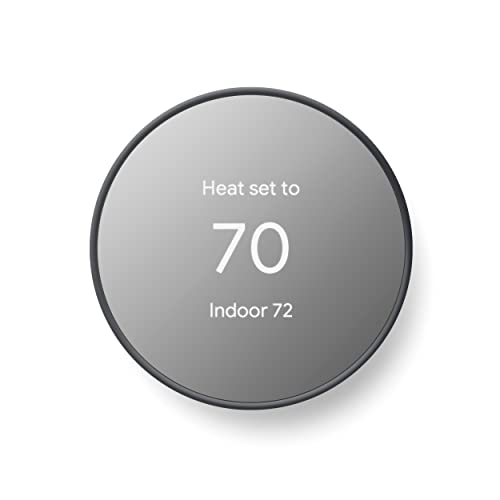
- Automatically adjusts when you leave
- Schedules and remote control through Google Home
- Provides HVAC alerts and maintenance reminders
Best For: Google Home households seeking automated energy savings
Best for Alexa Users

- Integrates with Alexa and Ring
- Supports home, away, and sleep schedules
- Guided DIY setup through the Alexa app
Best For: Alexa households wanting voice-based temperature control
Best for Whole-Home Comfort
ecobee Smart Thermostat Enhanced
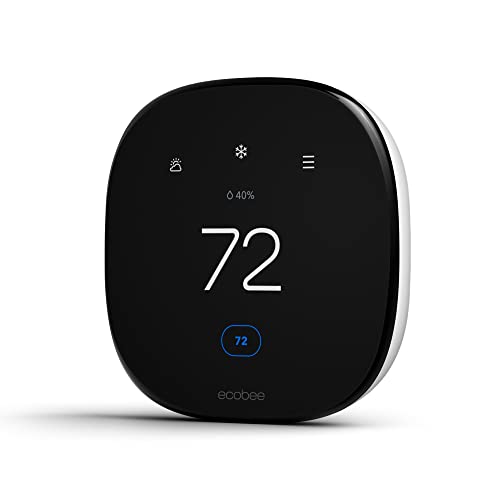
- Uses occupancy sensing for automatic adjustments
- Includes a Power Extender Kit for many no-C-wire homes
- Supports Alexa, Google Assistant, HomeKit, and SmartThings
Best For: Households wanting expandable, room-aware comfort control
Best Matter-Ready Value

- Matter Certified with major smart-home platforms
- Flexible schedules and auto-away control
- Requires a C-wire; excludes electric baseboard heat
Best For: Matter-enabled homes wanting flexible app control
Best Premium Comfort Features
ecobee Smart Thermostat Premium

- Includes SmartSensor for occupied-room comfort
- Built-in air-quality monitor and voice assistant
- Power Extender Kit supports homes without a C-wire
Best For: Whole-home comfort and advanced monitoring
Best for Flexible Scheduling

- 7-day schedules plus smartphone geofencing
- Energy reports and auto-home/away modes
- Check C-wire and oil-furnace compatibility
Best For: Scheduled or location-based temperature control
Best for Smart Savings
ecobee Smart Thermostat Essential

- Automates schedules to help reduce heating and cooling use.
- Works with Alexa, Google Assistant, and Apple HomeKit.
- Supports many 24 VAC HVAC systems and optional no-C-wire installation.
Best For: Energy-conscious homes wanting broad smart-home compatibility
Best for Simple DIY Installation

- Usually works without a C-wire in many homes.
- Includes guided setup, a built-in level, and app control.
- Adds scheduling, geofencing, usage reports, and privacy protections.
Best For: DIY users seeking simple remote HVAC control
Best DIY Value – Sensi ST55 Smart Thermostat
The Sensi ST55 is a practical smart thermostat for homeowners who want app, voice, and remote temperature control without a complicated installation. Its familiar button layout and compatibility with many HVAC systems make it an approachable upgrade from a traditional thermostat.
Best For: DIY installations, privacy-conscious households, and homeowners seeking straightforward energy-management features.
Pros:
- Built-in level and guided app instructions simplify installation.
- Common wire is not required in most applications.
- Supports Alexa, Google Assistant, Apple HomeKit, SmartThings, and Vera.
- Offers scheduling, usage reports, equipment alerts, and filter reminders.
Cons:
- Compatibility still depends on the home’s HVAC equipment.
- Its button-based design is less sleek than some touchscreen thermostats.
The Sensi ST55 is a well-rounded smart thermostat for buyers who value easy setup, broad platform support, and clear maintenance information. Its privacy-focused positioning and familiar controls add practical appeal.
Best for Google Homes – Google Nest Thermostat
Google Nest Thermostat - Smart Thermostat for Home - Programmable Wifi Thermostat - Charcoal
Check Price On AmazonThe Google Nest Thermostat is a compact smart thermostat designed for convenient scheduling and remote control through the Google Home app. It can adjust itself when you leave and provide suggestions intended to help reduce energy use.
Best For: Google Home users who want automatic temperature adjustments, app-based scheduling, and HVAC monitoring.
Pros:
- Turns down heating or cooling when you leave to help avoid wasted energy.
- Supports schedules, remote control, and Savings Finder suggestions.
- Works with Google Assistant and Matter-certified voice assistants.
- Monitors HVAC operation and can provide alerts and maintenance reminders.
Cons:
- Some systems, including certain heat pumps and heating- or cooling-only setups, may require a C-wire or power accessory.
- Compatibility should be checked before purchase.
Choose the Nest Thermostat if you already use Google Home and want a smart thermostat that combines automated away behavior with scheduling and system alerts. Its installation requirements vary by HVAC setup, so compatibility checking is important.
Best for Alexa Users – Amazon Smart Thermostat
The Amazon Smart Thermostat is an Alexa-focused smart thermostat for replacing a traditional model with app control, scheduling, and automated temperature adjustments. It can connect with select Alexa devices to help create comfort zones based on temperature readings or presence detection.
Best For: Alexa and Ring households that want voice control, flexible schedules, and guided DIY installation.
Pros:
- Works with Alexa and Ring for connected home control.
- Supports home, away, and sleep schedules.
- Alexa can automatically control temperature using compatible features and devices.
- The Alexa app guides installation and enables control while away.
Cons:
- Its strongest smart-home integration is centered on Alexa.
- Available rebates depend on the customer’s local energy provider.
This is a sensible smart thermostat choice for households already invested in Alexa. It emphasizes voice-based routines and accessible app control, while the guided setup helps make the transition from a conventional thermostat easier.
Best for Whole-Home Comfort – ecobee Smart Thermostat Enhanced
The ecobee Smart Thermostat Enhanced is a versatile smart thermostat with occupancy sensing, automatic adjustments, and broad HVAC compatibility. It includes a Power Extender Kit for many homes without a C-wire and supports remote control through the ecobee app.
Best For: Households seeking automated comfort, broad smart-home compatibility, and the option to expand room-by-room control.
Pros:
- Automatically adjusts temperature when occupants are away or asleep.
- Built-in occupancy sensing can preheat or precool before arrival.
- Includes a Power Extender Kit and trim plate for many DIY installations.
- Works with Alexa, Google Assistant, Apple HomeKit, and SmartThings.
Cons:
- SmartSensors for room-by-room comfort are sold separately.
- HVAC compatibility should be confirmed before installation.
The ecobee Smart Thermostat Enhanced stands out for homes that need more than basic scheduling. Its occupancy features, humidity adjustments, multi-platform support, and optional SmartSensors make it a strong choice for personalized comfort.
Best Matter-Ready Value – Honeywell Home X2S
The Honeywell Home X2S is a practical smart thermostat for households that want app-based control and broad smart-home compatibility. It supports Matter, Alexa, Google Assistant, and Apple HomeKit, while flexible scheduling and auto-away features can help manage energy use.
Best For: Smart homes seeking Matter compatibility, flexible scheduling, and remote temperature control.
Pros:
- Matter Certified and compatible with Alexa, Google Assistant, and Apple HomeKit.
- Offers 7-day, 5-1-1, 5-2, one-week, or non-programmable settings.
- Includes auto-away, filter reminders, humidity monitoring, and demand-response capability.
Cons:
- Requires a C-wire and 24 VAC power.
- Does not work with 120–240V electric baseboard heat.
The X2S stands out when cross-platform smart-home integration is a priority. Check your HVAC configuration before buying, particularly if your system uses electric baseboard heating.
Best Premium Comfort Features – ecobee Smart Thermostat Premium
The ecobee Smart Thermostat Premium is a feature-rich smart thermostat designed for whole-home comfort. Its included SmartSensor helps account for room occupancy, while built-in air-quality monitoring, voice assistance, and a premium display add convenience beyond basic temperature control.
Best For: Homeowners who want room-by-room comfort management, air-quality insights, and built-in voice features.
Pros:
- Includes a SmartSensor to detect occupied rooms and address hot or cold spots.
- Works with the Power Extender Kit in homes without a C-wire.
- Built-in air-quality monitor, Alexa or Siri support, and occupancy-based adjustments.
- Includes a three-year warranty and trim kit for a finished installation.
Cons:
- Siri requires an Apple home hub.
- Some security-related features require an ecobee Smart Security subscription.
This is the strongest option here for advanced comfort and monitoring features. It is especially appealing if your home has uneven temperatures or you want voice control and air-quality alerts from the thermostat.
Best for Flexible Scheduling – Honeywell Home T5
The Honeywell Home T5 is a straightforward smart thermostat for households that want programmable control without an overly complicated feature set. It combines 7-day scheduling with geofencing, auto-home and away modes, energy reports, and compatibility with Alexa, Google Assistant, and Apple HomeKit.
Best For: Homeowners who want scheduling or location-based temperature control with energy-saving tools.
Pros:
- Supports 7-day scheduling and smartphone-based geofencing.
- Provides auto-home and away modes, energy reports, and personalized tips.
- Works with Alexa, Google Assistant, Apple HomeKit, and most heat/cool oil furnace systems.
- Eligible utility customers may access rebates or demand-response rewards.
Cons:
- A C-wire power adapter may be required.
- Will not work with heating-only oil furnace systems unless a C-wire is present.
The T5 is a sensible pick for buyers focused on dependable scheduling and potential energy savings. Verify the wiring and HVAC compatibility before installation, especially with oil-based heating systems.
Best for Smart Savings – ecobee Smart Thermostat Essential
The ecobee Smart Thermostat Essential is a practical smart thermostat for households that want automated scheduling, app-based control, and broad HVAC compatibility. It can adjust temperatures around your schedule, support major smart-home platforms, and work without a C-wire when paired with the separately sold Power Extender Kit.
Best For: Homeowners seeking energy-saving automation, touchscreen controls, and Apple HomeKit, Google Assistant, or Alexa compatibility.
Pros:
- May save up to 23% annually on heating and cooling costs compared with holding 72 degrees.
- Works with most 24 VAC HVAC systems and includes compatibility support through ecobee.
- Offers an easy DIY installation option, with a Power Extender Kit available for homes without a C-wire.
- Includes humidity detection, schedule assistance, and energy-use tracking in the app.
Cons:
- The Power Extender Kit and trim kit are sold separately.
- Optional SmartSensors for room-specific monitoring are also sold separately.
Choose this ecobee if flexible installation and smart-home integration matter as much as energy management. Verify HVAC compatibility before buying, especially if you plan to use accessories such as SmartSensors.
Best for Customizable Controls – Honeywell Home Wi-Fi Smart Color Thermostat
The Honeywell Home RTH9585WF1004 is a smart thermostat built around a bright, customizable color touchscreen and flexible seven-day programming. It supports remote control through the app, Alexa, and Google Home, while monthly energy reports can help you monitor usage.
Best For: Households that want a prominent color display, detailed scheduling, and compatibility with common forced-air, hot-water, steam, and heat-pump systems.
Pros:
- Customizable color touchscreen is bright and easy to read.
- Supports flexible scheduling, including programming around utility peak-rate pricing.
- Provides monthly energy reports and personalized energy-saving tips.
- Offers remote control through the mobile app, Alexa, and Google Home.
Cons:
- A C-wire is required.
- Does not work with 120–240V electric baseboard heat.
- Heating-only oil furnace systems require a C-wire.
This Honeywell model is a strong fit if display customization and traditional programmable controls are priorities. Check both HVAC compatibility and C-wire availability before purchase.
Best for Simple DIY Installation – Sensi Lite Smart Thermostat
The Sensi Lite is a straightforward smart thermostat for homeowners who want app control without an overly complicated setup. Its built-in level, step-by-step instructions, flexible scheduling, geofencing, and usage reports make it a practical option for everyday HVAC management.
Best For: DIY installers who want an affordable-feeling, privacy-focused smart thermostat with remote access and broad basic HVAC support.
Pros:
- Designed to work without a C-wire in most homes.
- Built-in level and guided instructions simplify DIY installation.
- Includes scheduling, geofencing, remote access, and usage reports to help manage energy use.
- Offers privacy protections and does not sell personal information for targeting or advertising.
Cons:
- Some heating-only, cooling-only, and heat-pump systems require a C-wire or compatible power accessory.
- Its simple design may be less appealing to shoppers seeking a large or highly customizable display.
The Sensi Lite is a sensible choice when easy installation and clear app control are more important than premium display features. Confirm your system’s wiring requirements, particularly for nonstandard HVAC configurations.
How We Picked the Best Smart Thermostats
We evaluated this lineup against the features that matter most in real homes: HVAC compatibility, installation requirements, app quality, scheduling controls, remote access, energy-saving tools, voice-assistant support, and room-sensing options. We also considered whether each model suits renters, DIY users, larger households, or people who want more advanced automation.
Compatibility should come first. Before buying, check your HVAC system, wiring, power requirements, and whether a C-wire or included adapter is needed. Some thermostats support heat pumps, multi-stage systems, or auxiliary heat more broadly than others.
Quick Comparison
| Best For | Models to Consider |
|---|---|
| Simple DIY installation | Sensi ST55, Sensi Lite ST25 |
| Google or Alexa households | Google Nest Thermostat, Amazon Smart Thermostat |
| Room sensors and advanced comfort | ecobee Premium, ecobee Enhanced |
| Budget-friendly smart control | Honeywell Home X2S, Honeywell Home T5, ecobee Essential |
| Large color touchscreen | Honeywell Home RTH9585WF1004 |
Key Buying Factors for a Smart Thermostat
HVAC Compatibility and Installation
Confirm that the thermostat supports your heating and cooling setup before comparing features. DIY-friendly models can simplify installation, but complex systems may require professional help. A compatible power setup is essential for reliable Wi-Fi operation.
Controls, Scheduling, and Automation
Look for scheduling that matches your routine, geofencing if you want automatic adjustments, and learning or adaptive features if you prefer less manual programming. A clear app and usable on-device controls are especially important for households with multiple users.
Voice Control and Smart-Home Integration
Choose a model that works with the platform you already use. Alexa, Google Assistant, Siri, and Ring integrations vary by thermostat, and some advanced functions may require compatible hubs or devices.
Sensors and Energy Reports
Room sensors can help balance temperatures across bedrooms, offices, and living areas. Energy reports and usage insights are useful for identifying schedules or settings that increase consumption.
Who Should Buy Which Smart Thermostat?
Choose Sensi if you want straightforward controls and a familiar DIY setup. Google Nest is a strong fit for households centered on Google services, while Amazon’s model suits Alexa and Ring users seeking simple connected control.
Pick ecobee when room sensors, occupancy awareness, and more detailed comfort management matter most. Honeywell Home models are worth considering if you prefer conventional thermostat controls, broad scheduling options, or a larger touchscreen interface.
Finally, prioritize compatibility over brand or appearance. The best Smart Thermostat is the one that supports your HVAC system, fits your installation abilities, and provides controls your household will actually use.