A narrow sump pit can limit your pump choices, especially when bulky float assemblies or oversized housings prevent reliable operation. The right model needs to fit the basin while still providing dependable drainage capacity.
We’ve assembled 10 sump pumps for narrow pits and similar basement applications, ranging from compact 1/3 HP units to higher-output pumps for demanding water-removal jobs. Use the guide below to match pump design, controls, and performance to your pit and flooding risk.
Best 10 Sump Pumps for Narrow Pits Picks for 2026
Best Overall Narrow-Pit Performance
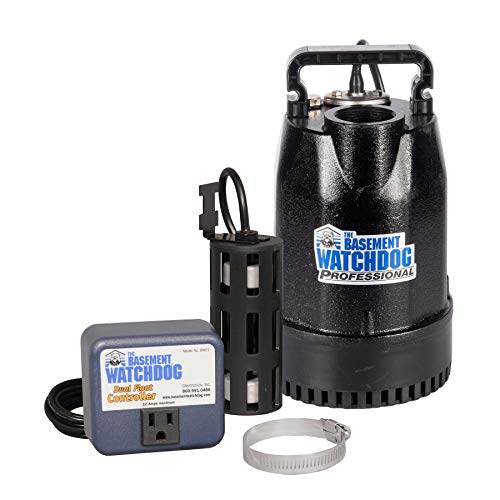
- Compact 6.25-inch square footprint
- Up to 3,720 GPH at zero lift
- Caged dual-float switch
Best For: Narrow pits needing strong flow and protected automatic operation
Best Complete System
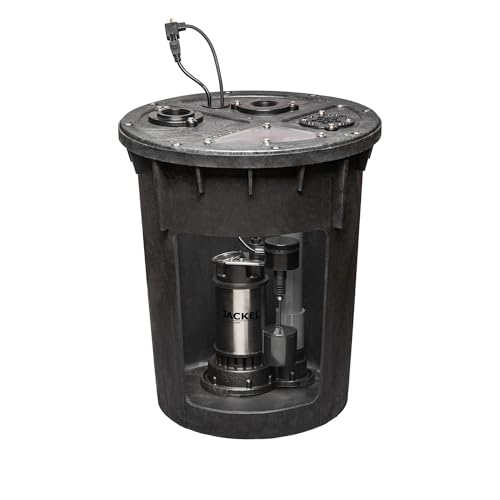
- Pre-plumbed 22-gallon basin
- 1/2 HP, 55 GPM pump
- Includes pipe, cover, and check valve
Best For: Installations needing a complete basin-and-pump package
Best Easy-Install Option

- Top suction helps resist clogging
- Up to 4,600 GPH
- Three-year limited warranty
Best For: Indoor basements needing straightforward automatic drainage
Best Proven Vortex Design
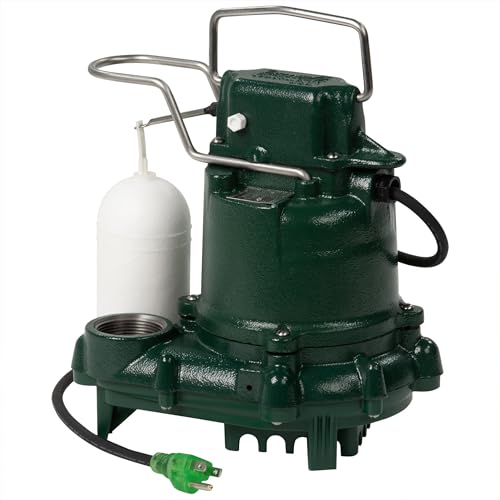
- Non-clogging vortex impeller
- Automatic float switch
- Cast-iron housing and stainless hardware
Best For: Indoor pits prioritizing automatic, clog-resistant operation
Best Overall

- Vertical float switch suits narrow pits
- Pumps up to 5,490 GPH
- 5-year warranty and durable metal construction
Best For: Automatic narrow-pit basement water removal
Best Portable Option
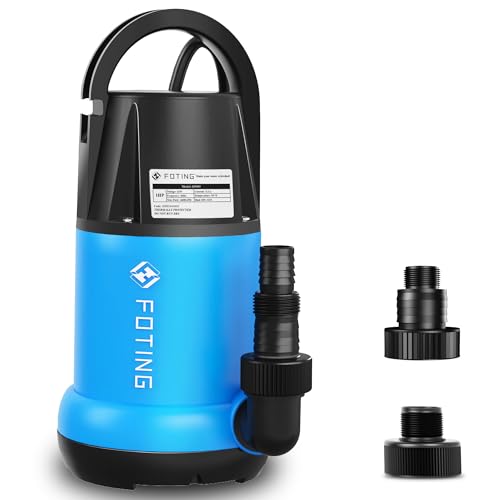
- Manual pump with 4,600 GPH capacity
- Handles water and solids up to 1/5 inch
- Includes 10-foot cord and multiple adapters
Best For: Portable manual draining and emergency water removal
Best Compact Utility Pump

- 4,500 GPH output with a 30-foot lift
- Bottom suction handles water and 1/5-inch solids
- Includes adapters and a 10-foot UL cord
Best For: Compact portable water removal and utility use
High-Flow Stainless Steel Pick

- 6000 GPH flow and 30-foot maximum lift
- Stainless steel, IPX8-rated housing
- Automatic float switch with overload protection
Best For: High-volume drainage in demanding sump and flood conditions
Narrow-Pit Manual Pick
1HP 4000GPH Stainless Steel Pump

- Six-inch body fits narrow pits
- 4000 GPH flow and 32-foot lift
- Manual, oil-free operation with 304 stainless steel body
Best For: Supervised drainage in tight sump and utility pits
Low-Water Backup Pick

- Drains to a stated 1/25-inch suction level
- Automatic and manual operating modes
- Compact 8.8-pound design with adapters
Best For: Last-inch cleanup and backup drainage on flat surfaces
Best Overall Narrow-Pit Performance – Basement Watchdog SIT-33D
For homeowners comparing sump pumps for narrow pits, the Basement Watchdog SIT-33D stands out with its compact 6.25-by-6.25-inch footprint and top-discharge design. Its 1/3 HP copper-wound PSC motor delivers up to 3,720 GPH at zero lift, while the caged dual-float switch adds protection against debris or cord interference.
Best For: Narrow sump pits where reliable automatic operation and high pumping capacity are priorities.
Pros:
- Compact design typically fits narrow sump pits.
- Pumps up to 3,720 GPH at 0 feet of lift and 3,100 GPH at 10 feet.
- Caged dual-float switch provides added redundancy and helps prevent interference.
- Dual shaft seals and a copper-wound PSC motor support long-term use.
Cons:
- At 19.5 pounds, it is heavier than some compact pump options.
- Its 22-foot maximum lift may be more capacity than needed for simple installations.
The SIT-33D is a strong all-around choice when a narrow-pit pump needs both substantial flow and a protected float mechanism. Its cast-iron construction and included controller add practical durability, though the heavier build may matter during installation.
Best Complete System – JACKEL JPACK22S-250V
The JACKEL JPACK22S-250V is a pre-plumbed sump pump system rather than a standalone pump, making it a practical option when you want the basin, cover, piping, and pump supplied together. Its 1/2 HP pump produces a listed 55 GPM and comes with an 18-by-24-inch, 22-gallon basin.
Best For: Replacement or new installations where a complete pre-plumbed sump basin system is more convenient than sourcing individual components.
Pros:
- Includes a 22-gallon structural-foam sump basin and matching cover.
- Comes with Schedule 80 PVC discharge pipe, check valve, and inlet hub.
- 1/2 HP pump provides a listed 55 GPM flow rate.
- Clear inspection plate, cord grommet, and drain trap simplify access and setup.
Cons:
- The 18-by-24-inch basin requires substantially more space than a compact standalone pump.
- At 48.4 pounds, the complete system is relatively heavy to handle.
- The supplied system may not suit very narrow pits despite its included pump.
This JACKEL package is best viewed as an installation solution, not a small-pit pump alone. It offers useful matched components and reduces compatibility guesswork, but its basin dimensions should be checked carefully before choosing it for a narrow-pit application.
Best Easy-Install Option – WAYNE CDU790
The WAYNE CDU790 is a compact 1/3 HP submersible pump worth considering among sump pumps for narrow pits. Its top-suction design helps reduce air lock and clogging from debris at the bottom of the pit, and the manufacturer notes that installation takes about 15 minutes without drilling a weep hole.
Best For: Homeowners who want a compact, low-maintenance pump for indoor basement water removal.
Pros:
- Top-suction design helps minimize air lock and bottom-debris clogging.
- Pumps up to 4,600 GPH for heavy rain or snowmelt flow.
- Vertical float switch was tested to 1 million cycles.
- Corrosion-resistant steel housing, stainless fasteners, and cast-iron volute support durability.
Cons:
- Rated for indoor use only.
- Its 20-foot maximum lift is lower than some higher-lift alternatives.
- The included components list identifies the pump only, so additional installation parts may be required.
With its debris-conscious suction design, automatic float, and three-year limited warranty, the CDU790 is a practical choice for a basement pit that needs dependable routine drainage. Verify the pit dimensions and discharge setup before installation.
Best Proven Vortex Design – Zoeller M53 Mighty-mate
The Zoeller M53 Mighty-mate is a 1/3 HP automatic submersible pump with a non-clogging vortex impeller. Its float-activated switch, cast-iron motor and switch housing, and stainless-steel hardware make it a straightforward option for homeowners evaluating sump pumps for narrow pits.
Best For: Indoor sump applications where automatic float operation and resistance to clogging are important.
Pros:
- Vortex impeller is designed for non-clogging operation.
- Automatic float-activated switch supports unattended pumping.
- Cast-iron motor, switch case, and pump housing provide a durable construction.
- Includes stainless-steel hardware and a 9-foot power cord with LED power plug.
Cons:
- The listed maximum lifting height is 19.25 feet.
- Flow-rate information is not provided in the supplied specifications.
- The included-components listing says product only, so installation accessories may be needed.
The M53 emphasizes durable construction and a clog-resistant impeller over a long list of included accessories. It can be a sensible narrow-pit candidate when its approximately 8-inch width fits the available space, but confirm the pit clearance and required plumbing separately.
Best Overall – WAYNE CDU980E 3/4 HP
For homeowners comparing sump pumps for narrow pits, the WAYNE CDU980E stands out for its integrated vertical float switch and compact 10.5-by-9-inch footprint. Its 3/4 HP motor delivers up to 5,490 GPH, while the cast iron and stainless steel construction is designed for demanding basement water removal.
Best For: Narrow sump pits, heavy storm runoff, and homeowners who want automatic operation with a long warranty.
Pros:
- Vertical float switch is designed to fit narrow sump pits.
- High-capacity motor pumps up to 5,490 GPH.
- Cast iron and stainless steel construction with a 5-year warranty.
- Top suction anti-airlock design helps reduce clogging concerns.
Cons:
- Designed for indoor use only.
- Heavier than the thermoplastic alternatives at 12 pounds.
The CDU980E is the strongest all-around choice here if automatic narrow-pit operation, durable construction, and warranty coverage matter more than portability.
Best Portable Option – FOTING 1HP Sump Pump
The FOTING 1HP is a portable option for sump pumps for narrow pits, but it requires manual operation rather than automatic start and stop. It can move up to 4,600 GPH, handle solids up to 1/5 inch, and includes adapters for several hose configurations.
Best For: Manual draining of flooded areas, window wells, pools, ponds, hot tubs, and other locations where portability is more important than automatic sump-pit control.
Pros:
- 1 HP motor provides up to 4,600 GPH and a 31-foot lift.
- Removes water down to 1/5 inch and handles solids up to 1/5 inch.
- 10-foot power cord and multiple hose adapters support flexible setup.
- Removable bottom simplifies cleaning and maintenance.
Cons:
- Manual mode only; it does not support automatic start/stop.
- Thermoplastic housing may be less heavy-duty than metal pump construction.
Choose the FOTING when you need a versatile emergency or utility pump and are comfortable monitoring operation manually. It is less suitable for unattended sump protection.
Best Compact Utility Pump – AQUASTRONG 1 HP Sump Pump
The AQUASTRONG 1 HP offers a compact thermoplastic design for buyers considering sump pumps for narrow pits and other water-removal jobs. Its bottom-suction intake removes water down to 1/5 inch, while the 4,500 GPH output and included adapters make installation and general utility use straightforward.
Best For: Portable basement, window-well, hot-tub, and garden water removal where a compact pump and flexible hose connections are useful.
Pros:
- 1 HP motor pumps up to 4,500 GPH and lifts water up to 30 feet.
- Bottom suction removes water down to 1/5 inch and handles solids up to 1/5 inch.
- Includes a 10-foot UL power cord and multiple hose adapters.
- Thermoplastic casing resists corrosion and abrasion.
Cons:
- Portable plug-in design is not described as having automatic start/stop operation.
- Thermoplastic construction is lighter-duty than the WAYNE’s cast iron and stainless steel build.
The AQUASTRONG is a practical compact utility pump for frequent water-transfer tasks. For a permanently installed sump pit, confirm that its manual operating style fits your monitoring routine.
High-Flow Stainless Steel Pick – 1.6HP 6000GPH Sump Pump
For sump pumps for narrow pits that also need substantial drainage power, the LANCHEZ combines a 1.6HP motor, stainless steel housing, and a high baseplate designed to pass particles up to 4/5 inch. Its integrated float switch supports automatic operation, while the compact footprint and included adapters simplify setup in a variety of drainage locations.
Best For: High-volume drainage in sump basins, flooded basements, tanks, pools, ponds, and other demanding water-removal jobs.
Pros:
- Moves up to 6000 GPH with a maximum lift of 30 feet.
- Full stainless steel casing and IPX8 waterproof construction support durability.
- Float switch enables automatic operation, with thermal overload protection included.
- Includes multiple adapters and a 16-foot power cord for flexible installation.
Cons:
- Its 14.52-inch height may be less suitable for especially shallow pits.
- Automatic operation requires sufficient water for the float switch to start at about 5.3 inches.
This is the strongest-flow option in the group and a practical choice when a narrow pit also requires fast, heavy-duty drainage. Check the pump’s dimensions and float-switch clearance before installation.
Narrow-Pit Manual Pick – 1HP 4000GPH Stainless Steel Pump
If fitting a pump into a tight basin is the priority, this Green Expert model uses a 6-inch cylindrical body, top discharge, and top-routed power lead to make placement easier in narrow pits. It is a manual pump, so it suits supervised drainage jobs where you want direct control over when pumping starts and stops.
Best For: Narrow sump pits, drainage pits, basements, pools, hot tubs, and temporary emergency water removal.
Pros:
- Six-inch cylindrical body is designed for narrow pits and tight wells.
- 1HP oil-free motor delivers up to 4000 GPH with a 32-foot maximum lift.
- Full 304 stainless steel body resists rust and corrosion.
- Double-layer multi-hole intake helps reduce complete blockage from leaves, pebbles, and debris.
Cons:
- Manual activation requires supervision rather than automatic water-level control.
- It is designed to stop around a 1-inch water level, with approximately 0.8 inch possible under ideal conditions.
For narrow pits, the slim cylindrical design is the main advantage. Choose this model when you can monitor operation and want strong drainage performance without relying on a float switch.
Low-Water Backup Pick – 1/3HP Automatic Sensor Pump
For narrow pits or flat areas where standing water must be reduced to the last fraction of an inch, this compact Green Expert pump uses a water sensor and low-profile suction design. It can operate automatically or manually, making it useful as a backup pump for flooded basements, garages, hot tubs, and other clean or slightly dirty water applications.
Best For: Low-water cleanup, backup duty, flat-floor drainage, window wells, hot tubs, and smaller sump-pit applications.
Pros:
- Sensor system drains water to a stated minimum suction level of 1/25 inch.
- Automatic mode stops after 15 seconds when no water is detected.
- Offers both automatic and manual operation with included hose adapters.
- Lightweight 8.8-pound design includes a lifting rope and non-return valve.
Cons:
- Its 2000 GPH capacity and 23-foot maximum lift are lower than the larger pumps here.
- Best performance requires a rigid, flat surface; soft pool covers may obstruct the base.
- Low-conductivity water should be handled in manual mode with monitoring.
This is the most specialized choice for removing residual water rather than rapidly moving large volumes. Its sensor and low-water capability make it a useful complement or backup to a higher-capacity sump pump.
How We Picked These Sump Pumps for Narrow Pits
We focused on models that may suit compact or constrained sump basins, prioritizing pump dimensions, float-switch design, discharge performance, construction materials, and intended use. Horsepower and advertised gallons per hour are useful starting points, but real performance depends on lift height, pipe size, elbows, check valves, and outlet conditions.
The selection includes compact submersible pumps, pre-plumbed systems, cast-iron and stainless-steel designs, and models with vertical, tethered, sensor-based, or manual controls. Always verify the manufacturer’s minimum basin dimensions before installation.
Quick Comparison
| What to Compare | Why It Matters |
|---|---|
| Motor size and rated flow | Indicates potential drainage capacity, though actual output falls as discharge height increases. |
| Float or sensor design | Determines how much clearance the pump needs and how automatically it starts and stops. |
| Housing material | Cast iron can add stability; stainless steel and corrosion-resistant plastics may simplify handling and maintenance. |
| Discharge connection | Must match your existing pipe, hose, check valve, and available vertical lift. |
| Warranty and replacement parts | Important for a pump expected to protect a finished basement or operate frequently. |
Key Buying Factors for Sump Pumps for Narrow Pits
Measure the Pit Before Choosing
Measure the basin’s inside diameter, depth, and usable clearance above the pump. Pay particular attention to the float’s swing path. A pump body may fit while its float cannot move freely, causing short cycling or failure to start.
Match Capacity to Lift Height
Do not rely solely on the maximum GPH figure. Check the pump’s performance at your required head height, then account for long runs, bends, and restrictive fittings. A properly sized discharge line can make a meaningful difference.
Choose the Right Control System
Vertical floats generally need less horizontal room than tethered floats, while electronic sensors can work in tighter spaces but may require careful cleaning. Manual models are useful for utility drainage but may not provide unattended sump protection unless paired with a suitable external control.
Consider Durability and Maintenance
Heavy-duty housings can improve stability and vibration control, but they may be harder to lift from a narrow pit. Look for accessible intake screens, an appropriate check valve, thermal protection, and a design that can be removed for inspection without dismantling the entire discharge system.
Who Should Buy Which Sump Pumps for Narrow Pits?
For a standard basement sump: A dependable 1/3 HP automatic pump is often sufficient when the pit is properly sized and water inflow is moderate.
For a tight basin: Favor a compact body, vertical float, sensor switch, or other low-clearance control. Confirm dimensions rather than assuming a listed “narrow pit” label guarantees compatibility.
For heavy inflow or greater lift: Consider a higher-capacity 3/4 HP or 1 HP model, but verify that the pit, circuit, discharge plumbing, and backup power system can support it.
For utility or emergency water removal: High-flow transfer-style pumps can be useful for pools, flooded areas, and temporary drainage, but they may not offer the automatic controls or continuous-duty features required for primary sump protection.