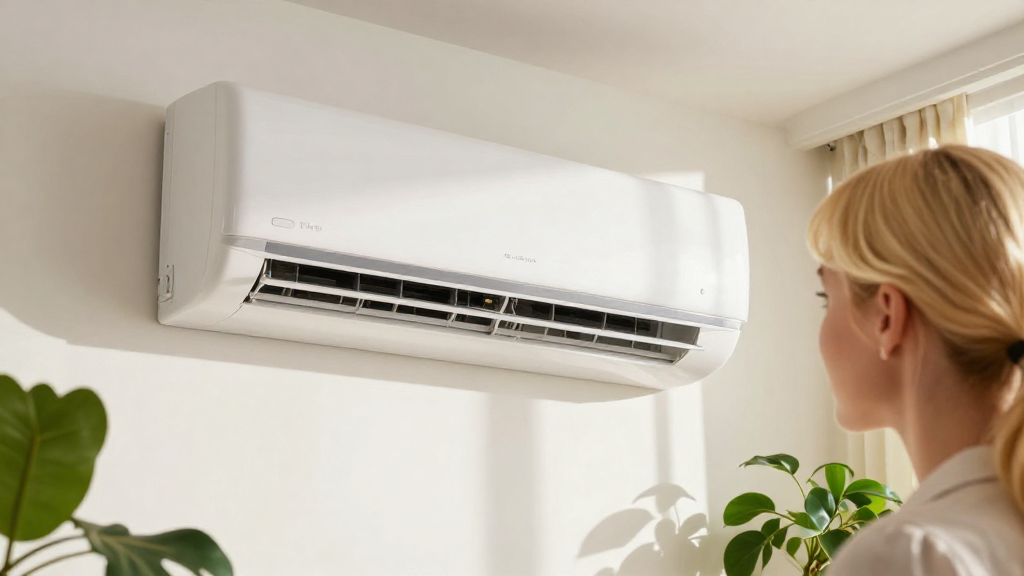
Understanding how air conditioning works is crucial for homeowners and businesses seeking comfort during the hot summer months.
This guide will provide a clear explanation of the principles behind air conditioning systems, their components, and how they function to maintain a pleasant indoor temperature.
What are the Basic Principles of Air Conditioning?
To grasp how air conditioning works, it’s essential to understand the basic principles of thermodynamics.
Air conditioning systems utilize heat transfer, moving warm air from the indoor environment to the outdoors, thereby cooling the interior space.
Key Principles:
-
Evaporation: This is the process where liquid refrigerant absorbs heat from indoor air, causing it to evaporate and lower the air temperature.
-
Condensation: The heated refrigerant vapor then moves to the outdoor unit, where it releases the absorbed heat, condensing back into a liquid form.
-
Compression: The refrigerant is compressed to raise its temperature and pressure, allowing it to effectively release heat.
-
Expansion: The refrigerant then expands, cooling the gas before it re-enters the indoor unit to absorb more heat.
What Are the Main Components of an Air Conditioning System?
When learning how air conditioning works, it’s important to know the key components that facilitate the cooling process.
Core Components:
-
Refrigerant: The fluid that circulates through the system, absorbing and releasing heat.
-
Compressor: Often referred to as the “heart” of the system, it pumps refrigerant through the system and raises its pressure and temperature.
-
Condenser Coils: Located in the outdoor unit, these coils dissipate heat from the refrigerant to the outdoor air.
-
Evaporator Coils: Found in the indoor unit, these coils absorb heat from the indoor air, cooling it before it flows back into the room.
-
Expansion Valve: This component regulates the flow of refrigerant into the evaporator coils.
-
Fan: Used to circulate indoor air over the evaporator coils and push cooled air back into the living space.
How Does the Air Conditioning Cycle Work?
To explain how air conditioning works in a step-by-step manner, let’s break down the cooling cycle that occurs in a standard air conditioning system.
The Cooling Cycle:
-
Indoor Air Intake: The system begins by pulling warm indoor air through the return duct into the air handler.
-
Heat Absorption: The air passes over the evaporator coils, where the refrigerant inside absorbs heat. As the refrigerant absorbs heat, it changes from a liquid to a gaseous state.
-
Compressor Action: The gaseous refrigerant then travels to the compressor unit, where its pressure and temperature are increased.
-
Heat Release: The high-pressure gas then moves to the condenser coils. Here, the gas releases its heat to the atmosphere, condensing back into a liquid.
-
Refrigerant Expansion: The liquid refrigerant flows through the expansion valve, where its pressure drops. This allows it to cool before re-entering the evaporator coils to repeat the cycle.
Why is Air Conditioning Important?
Explaining how air conditioning works isn’t just about mechanics; it also involves understanding its importance for comfort and health.
Major Benefits:
-
Temperature Control: Provides a comfortable living and working environment during hot weather.
-
Improved Air Quality: Filters out allergens and pollutants from indoor air, promoting better health.
-
Humidity Regulation: Reduces indoor humidity levels, preventing mold growth and improving comfort.
-
Productivity Boost: A cooler environment can enhance focus and productivity, especially in workplaces.
What Types of Air Conditioning Systems Exist?
Understanding how air conditioning works also involves knowing the different types of systems available, each suited for various needs and spaces.
Common Types:
-
Central Air Conditioning: Ideal for cooling large homes, these systems use ductwork to distribute cooled air throughout multiple rooms.
-
Split Air Conditioning: These systems have separate indoor and outdoor units, commonly used in smaller spaces or for zoning purposes.
-
Window Air Conditioners: Compact units designed to cool individual rooms, easily installed in window frames.
-
Portable Air Conditioners: Mobile units that can be moved from room to room as needed, suitable for renters or temporary solutions.
-
Ductless Mini-Split Systems: These systems allow for flexible installation and effective room-by-room cooling without ductwork.
How Can One Maintain Their Air Conditioning System?
To ensure optimal performance and longevity, it is crucial to maintain your air conditioning system effectively.
Here are some maintenance tips on how air conditioning works and how to care for it:
Maintenance Steps:
-
Regular Filter Changes: Replace air filters every 1-3 months to maintain airflow and air quality.
-
Professional Inspections: Schedule annual maintenance checks with a qualified technician to inspect and clean key components.
-
Clear Debris: Keep outdoor units free from leaves, dirt, and debris that may obstruct airflow.
-
Check Thermostat Settings: Ensure that the thermostat is functioning properly for efficient temperature control.
-
Monitor Refrigerant Levels: Low refrigerant levels can indicate leaks; regular checks can help avoid system failure.
Conclusion: How Air Conditioning Works in Everyday Life
In summary, understanding how air conditioning works involves grasping not just the technical aspects but also the importance of regular maintenance and the variety of systems available.
An efficient air conditioning system offers comfort, improves air quality, and enhances productivity.
By explaining and maintaining your air conditioning effectively, you can enjoy the cool comfort it brings for years to come.
With this knowledge, you can better appreciate the technology that keeps your home or business cool during those sweltering summer days.