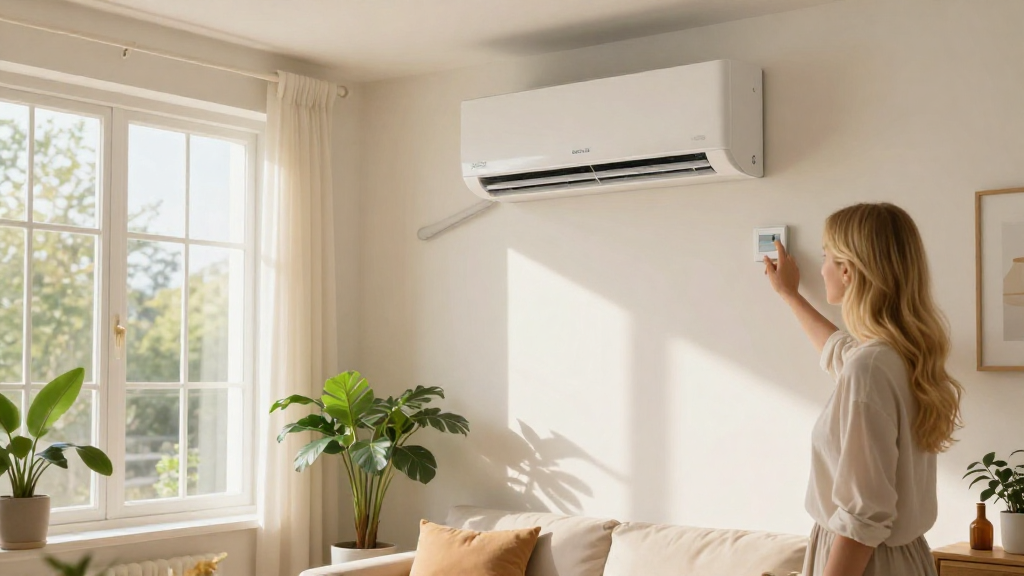
When it comes to staying comfortable indoors during sweltering summers, understanding air conditioning energy efficiency is essential. This guide will walk you through effective strategies to enhance the efficiency of your air conditioning system, keeping your home cool while saving on energy bills.
What is Air Conditioning Energy Efficiency?
Air conditioning energy efficiency refers to how well your air conditioning unit converts electrical energy into cooling power. The more efficient your system is, the less energy it consumes to maintain a comfortable indoor temperature.
Why is Air Conditioning Energy Efficiency Important?
Improving air conditioning energy efficiency is crucial for several reasons:
-
Cost Savings: An energy-efficient system lowers utility bills, allowing you to save money.
-
Environmental Benefits: Using less energy reduces your carbon footprint and minimizes environmental impact.
-
System Longevity: Efficient systems often experience less wear and tear, resulting in a longer lifespan.
How Can You Improve Air Conditioning Energy Efficiency?
Let’s explore the practical steps you can take to enhance the efficiency of your air conditioning unit:
1. Regular Maintenance: Why is it Necessary?
Regular maintenance is key to ensuring that your air conditioning system runs efficiently.
-
Change Filters: Replace or clean air filters every 1-3 months. Clogged filters can restrict airflow, forcing your unit to work harder.
-
Schedule Professional Inspections: A professional technician can identify potential issues, clean coils, and ensure all components function effectively.
2. What Role Does Insulation Play?
Proper insulation significantly impacts your home’s energy efficiency.
-
Insulate Ductwork: Ensure ducts are sealed and insulated, especially if they run through unconditioned spaces like attics.
-
Seal Windows and Doors: Prevent air leaks by checking seals around windows and doors. Use weather stripping or caulking where necessary.
3. How Does Thermostat Management Affect Energy Use?
Thermostat settings play a crucial role in air conditioning energy efficiency.
-
Smart Thermostats: Invest in a smart thermostat that can automatically adjust temperatures based on your schedule.
-
Set Temperatures Wisely: Keep your thermostat set at 78°F (25°C) when you’re home and consider raising it a few degrees when away.
4. Can Shading Help Reduce Cooling Costs?
Using natural methods to reduce heat gain can significantly improve efficiency.
-
Use Curtains or Blinds: Close curtains and blinds during the hottest parts of the day to block sunlight.
-
Plant Shade Trees: Strategically plant trees around your home to provide natural shade and reduce the temperature of your surroundings.
5. What Are Energy-Efficient Cooling Options?
Consider upgrading your equipment if it’s outdated.
-
SEER Rating: When buying a new system, look for a higher SEER (Seasonal Energy Efficiency Ratio) rating, which indicates better energy efficiency.
-
Energy Star Models: Choose Energy Star-rated units, which meet strict energy efficiency guidelines set by the EPA.
6. How Important is Ventilation?
Proper ventilation is another essential aspect of optimizing air conditioning energy efficiency.
-
Exhaust Fans: Use kitchen and bathroom exhaust fans to remove excess heat and humidity.
-
Airflow Management: Ensure that vents are open and unobstructed to allow for proper air circulation.
7. Can You Use Alternative Cooling Methods?
Incorporating alternative cooling strategies can help lessen the load on your air conditioning system.
-
Ceiling Fans: Use ceiling fans to circulate cool air, allowing you to set the thermostat a bit higher.
-
Evaporative Coolers: In dry climates, consider using evaporative coolers, which use less energy than traditional air conditioning.
How Does Regular System Upgrade Impact Energy Efficiency?
When it comes to maintaining air conditioning energy efficiency, keeping your system up to date is essential.
-
Consider Variable Speed Compressors: These units adjust the cooling output based on the cooling demand, resulting in more efficient operation.
-
Check for Rebates and Incentives: Many utility companies offer rebates for upgrading to energy-efficient systems, reducing the cost of a replacement.
What Lifestyle Changes Can Aid in Energy Efficiency?
Making a few lifestyle adjustments can go a long way toward improving air conditioning efficiency.
-
Dress Appropriately: Wear lighter clothing indoors; this allows you to set higher thermostat temperatures without sacrificing comfort.
-
Limit Heat-Generating Activities: Avoid activities such as cooking or using heat-generating appliances during peak hours.
In Conclusion, How Can You Achieve Long-Term Energy Efficiency?
Investing time and resources in improving air conditioning energy efficiency provides both immediate and long-term benefits.
-
Track Energy Usage: Monitor your energy bills and usage patterns to identify areas for improvement.
-
Stay Informed: Keep abreast of the latest energy-efficient technologies and practices within the HVAC industry.
By taking these proactive steps, you can ensure that your air conditioning system operates at peak efficiency, delivering cool comfort while minimizing costs and environmental impact.