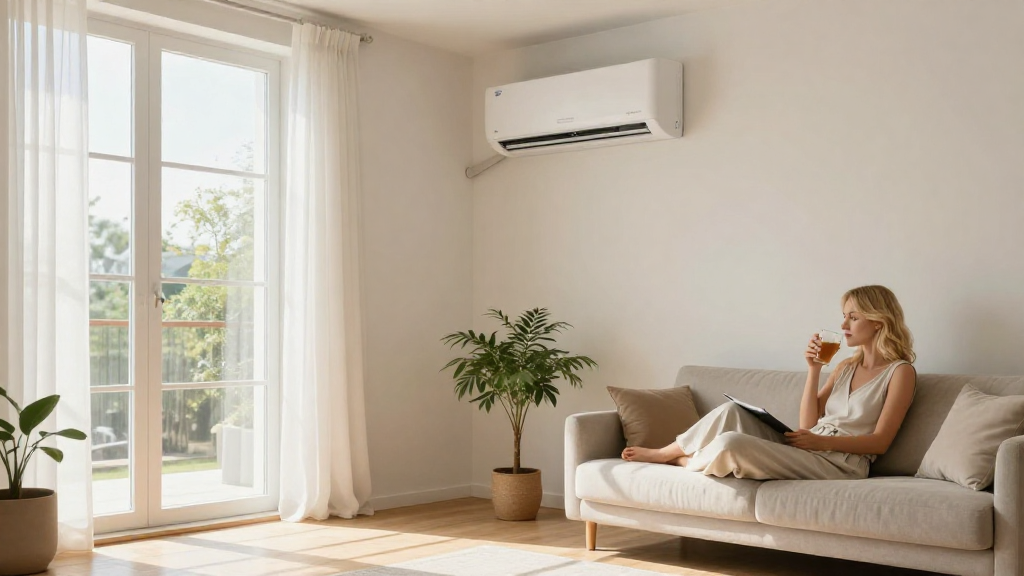
When it comes to maintaining a comfortable indoor environment, air conditioning humidity control is a crucial aspect that often gets overlooked.
What is Humidity Control in Air Conditioning?
Air conditioning systems are primarily designed for temperature regulation.
However, an effective air conditioning unit also plays a significant role in controlling humidity levels.
Humidity is the amount of moisture in the air, and if it’s too high, it can lead to discomfort, mold growth, and various health issues.
On the other hand, excessively low humidity can also cause dryness in your skin and respiratory system.
Air conditioning humidity control suggests that your AC unit does more than just cool the air—it can also reduce moisture and help maintain a balanced home environment.
How Do Air Conditioners Control Humidity?
Air conditioners utilize a process called dehumidification to control humidity levels.
Here’s how it works:
-
Air Intake: The AC draws warm air from your home.
-
Cooling Coil: As the warm air flows over the cooling coils, it cools down.
-
Condensation: The cold surface of the coils causes moisture in the air to condense into water droplets.
-
Drainage: The collected moisture is then drained away, leaving behind cooler and drier air that is circulated back into your home.
-
Temperature Regulation: This cycle continues until the thermostat reaches your desired temperature setting.
By following this process, your air conditioning unit effectively controls indoor humidity levels, creating a more comfortable living environment.
What Humidity Level is Considered Ideal?
Understanding your humidity levels is essential for effective air conditioning humidity control.
The ideal indoor humidity level generally falls between 30% and 50%.
Here’s why maintaining this balance is beneficial:
-
Comfort: Proper humidity levels enhance comfort, ensuring that the perceived temperature feels just right.
-
Health: Balanced humidity levels reduce the likelihood of mold growth and improve overall air quality.
-
Energy Efficiency: When humidity is controlled, your air conditioning system doesn’t have to work overtime, which can lead to lower energy bills.
How Can You Optimize Air Conditioning for Humidity Control?
Achieving effective air conditioning humidity control requires a multi-faceted approach.
Here are some practical tips for better moisture management in your home:
1. Use a Programmable Thermostat
A programmable thermostat allows you to set specific temperatures and humidity levels throughout the day.
This way, your air conditioner will work less when it’s not necessary, maintaining optimal humidity and saving energy.
2. Regular Maintenance is Key
-
Change Filters: Regularly changing or cleaning your air filters ensures your system runs efficiently, helping to better control humidity.
-
Check Coils: Inspect the evaporator and condenser coils for dirt and debris, as this can hinder dehumidification.
3. Seal Your Home
Air leaks can introduce excess moisture from outside, undermining your air conditioning humidity control efforts.
Consider the following steps to seal your home:
-
Windows: Use weather stripping or caulking to seal gaps.
-
Doors: Ensure door sweeps are properly installed to prevent moisture ingress.
4. Use Dehumidifiers Alongside Your AC
In particularly humid climates, consider using a dehumidifier in conjunction with your air conditioning system.
This combination can enhance your home’s humidity control, allowing the AC to focus on cooling rather than dehumidification.
5. Ventilation Matters
Ensure proper ventilation in your home to promote air circulation.
This will help:
-
Reduce stagnant air pockets where humidity can build up.
-
Maintain a more balanced humidity level throughout your home.
6. Avoid Excessive Heat Generation
Household appliances and activities can generate significant heat and moisture.
To minimize this impact, consider:
-
Using exhaust fans in kitchens and bathrooms to expel humid air.
-
Avoiding hot showers with prolonged steam.
When is Humidity Too High?
Understanding when humidity levels become concerning is vital for home comfort and health.
Some signs that the humidity in your home is too high include:
-
Condensation on Windows: This indicates excess moisture in your indoor environment.
-
Mold Growth: If you spot mold in areas like bathrooms or basements, it’s a sign of high humidity.
-
Musty Odors: Persistent, unpleasant odors often signify trapped moisture and potential mold.
If you experience any of these issues, it may be time to assess your air conditioning humidity control methods.
When to Seek Professional Help?
If you find it challenging to manage humidity levels despite following these strategies, seeking professional assistance may be wise.
Professional HVAC technicians can provide various services, including:
-
Comprehensive Inspections: They can accurately assess humidity levels and help identify underlying issues with your air conditioning system.
-
System Upgrades: Older systems may struggle with effective humidity control. It could be time for an upgrade or replacement.
-
Regular Maintenance Plans: Routine checks and maintenance can keep your system operating efficiently for years to come.
Conclusion
Understanding how your air conditioning unit aids in humidity control is vital for creating a comfortable indoor climate.
By following the best practices outlined above, you can optimize your system for both cooling and moisture management.
As a result, you’ll enjoy improved air quality, increased comfort, and potential energy savings.
In achieving effective air conditioning humidity control, remember that a well-maintained, efficient unit will not only improve your home environment but also provide peace of mind, knowing you are safeguarding your health and comfort.