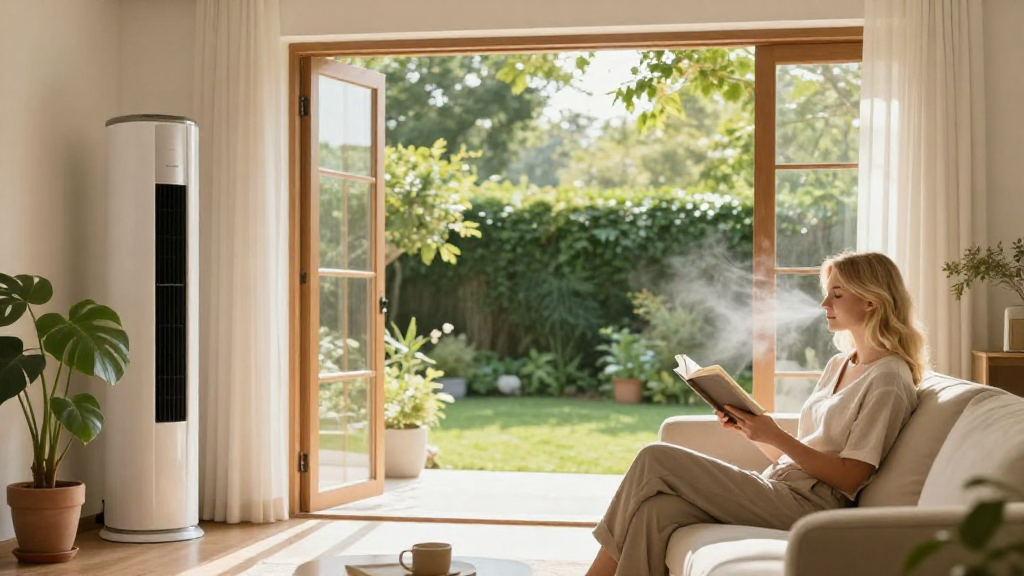
In the ongoing debate of air conditioning vs fresh air, striking the right balance is key for optimal comfort and health in your living spaces.
What is the Importance of Air Conditioning?
Air conditioning plays a significant role in regulating indoor environments, especially during hot summer months.
-
Temperature Control: It helps maintain a comfortable living temperature, improving overall well-being.
-
Humidity Management: Air conditioning systems reduce humidity levels, preventing mold and mildewing.
-
Air Filtration: Many AC systems come equipped with filters that improve indoor air quality by removing dust, allergens, and pollutants.
However, the reliance on air conditioning brings the challenge of air conditioning vs fresh air into the spotlight.
Why is Fresh Air Essential?
While air conditioning has its benefits, fresh air is equally important.
-
Oxygen Supply: Fresh air is vital for supplying oxygen to our living spaces, which improves cognitive function and mood.
-
Natural Ventilation: Opening windows can reduce indoor pollutants and volatile organic compounds (VOCs), enhancing overall air quality.
-
Humidity Regulation: Proper ventilation helps manage indoor humidity levels, reducing the risk of health issues like respiratory problems.
How Can You Effectively Balance Air Conditioning and Fresh Air?
Finding that happy medium between air conditioning vs fresh air involves thoughtful strategies and solutions. Here are some ways you can achieve balance:
1. Use Fresh Air Intake Systems
Fresh air intake systems are designed to bring outdoor air inside while minimizing energy loss caused by air conditioning.
-
Energy Recovery Ventilators (ERVs): These systems transfer heat and humidity between incoming and outgoing air streams. They ensure you get fresh air without sacrificing energy efficiency.
-
Heat Recovery Ventilators (HRVs): Similar to ERVs but are mainly used in colder climates to recover heat from outgoing air.
By incorporating these systems, you can enjoy the benefits of both fresh air and air conditioning.
2. Schedule Regular Ventilation
Ventilation is essential for maintaining good air quality.
-
Open Windows Strategically: Choose cool times of the day, such as early mornings or late evenings, to vent fresh air without overheating your space.
-
Cross-Ventilation: Create airflow by opening windows and doors on opposite sides of your house. This enhances air circulation and brings in fresh air while efficiently cooling your home.
-
Use Exhaust Fans: In areas like kitchens and bathrooms, exhaust fans can help remove stale air and introduce fresh air.
3. Monitor Indoor Air Quality
Keeping a check on indoor air quality (IAQ) can help you find the right balance between air conditioning vs fresh air.
-
Air Quality Monitors: Invest in IAQ monitors that measure levels of pollutants, humidity, and temperature.
-
Regular HVAC Maintenance: Ensure your HVAC system operates efficiently and that your air filters are regularly changed.
4. Incorporate Smart Technology
Technology offers modern solutions to monitor and balance air conditioning and fresh air effectively.
-
Smart Thermostats: These devices can be programmed to optimize your AC usage based on time and outdoor conditions.
-
Air Quality Sensors: Some smart home systems include air quality sensors that automatically adjust your ventilation based on IAQ.
5. Know When to Turn Off the AC
There are times when relying solely on fresh air is more beneficial.
-
Mild Weather: If outdoor temperatures are comfortable, turn off the AC and let fresh air circulate naturally.
-
Avoid Peak Pollutant Hours: If outdoor pollution levels are high, such as during rush hour in urban areas, limit the intake of fresh air.
6. Use Plants for Fresh Air
Incorporating indoor plants can help improve air quality and introduce freshness into your home.
-
Air-Purifying Plants: Plants like Spider Plants, Snake Plants, and Peace Lilies can naturally absorb toxins and improve indoor air quality.
-
Enhance Aesthetics: Plants make your space aesthetically pleasing while also providing health benefits.
Can You Have Both?
Yes! Balancing air conditioning vs fresh air is possible with the right approach and strategies.
By implementing fresh air intake systems, regularly ventilating your space, and using smart technology, you can create a comfortable indoor environment that benefits your health and well-being.
Tips for Maintaining Balance
-
Stay Informed: Keep track of outdoor air quality levels with apps or websites so you can make informed decisions about when to ventilate.
-
Adjust AC Settings: Use your AC’s humidity controls to help manage moisture levels effectively.
-
Educate Your Family: Ensure everyone in your household understands the importance of balancing air conditioning and fresh air for overall health.
Conclusion
The debate surrounding air conditioning vs fresh air is not about choosing one over the other; rather, it’s about finding the balance between them.
By understanding the benefits of both air conditioning and fresh air, and applying the aforementioned strategies, you can create a comfortable, healthy indoor environment.
Keep your home comfortable year-round by embracing both technologies and nature!