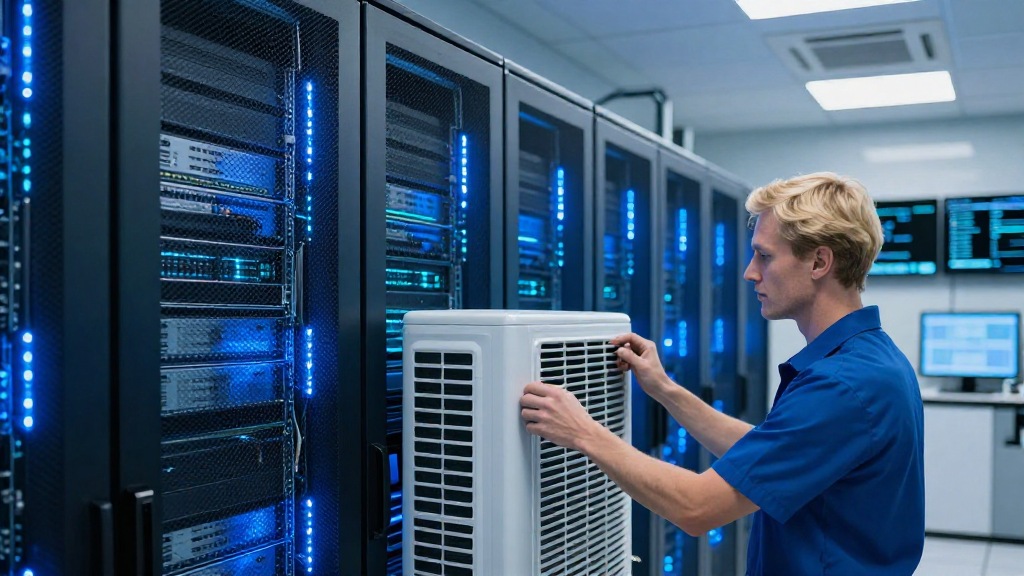
Managing air conditioning for data centers is critical for maintaining optimal performance and reliability of IT equipment.
This article delves into the best practices, strategies, and technologies for effective air conditioning in data centers.
Why is Air Conditioning for Data Centers Important?
Air conditioning for data centers serves as the backbone for maintaining both temperature and humidity levels.
Here are some reasons why effective air conditioning is crucial:
- Prevent Overheating: Data servers generate significant heat. Proper air conditioning helps to keep this heat in check.
- Maintain Humidity Levels: Excess moisture can cause equipment damage while insufficient humidity can lead to static electricity.
- Ensure Equipment Longevity: Consistent and optimal temperatures help to extend the life of hardware.
- Minimize Downtime: Reliable air conditioning reduces the risk of equipment failure, thereby ensuring continuous operations.
What Are the Key Factors to Consider for Air Conditioning in Data Centers?
When implementing air conditioning in data centers, several critical factors must be considered:
- Heat Load Assessment
Understanding the total heat generated by your data center equipment is essential.
Calculate the total heat load by assessing:
- Power consumption of servers
- UPS and cooling unit efficiency
- Lighting systems
- Temperature and Humidity Control
Maintaining a stable environment is vital. The American Society of Heating, Refrigerating and Air-Conditioning Engineers (ASHRAE) recommends:
- A temperature range of 68°F to 72°F (20°C to 22°C).
- Humidity levels between 45% to 55% relative humidity.
- Redundancy and Reliability
Data centers should have reliable air conditioning systems with redundancy configurations.
- N+1 configurations ensure additional units are on standby if one fails.
- Monitoring systems must be in place to track performance and alert issues in real-time.
- Type of Air Conditioning Systems
Various types of systems can be deployed in data centers:
- Chiller-based Systems: These provide cooling via chilled water. They are efficient for larger data centers.
- Direct Expansion (DX) Systems: These are suitable for smaller setups where instant cooling is necessary.
- In-Row Cooling: Designed for high-density environments, this cooling type eliminates hot air recirculation.
- Evaporative Cooling: A cost-effective option in specific climates, using water evaporation to cool air.
How Do You Efficiently Manage Air Conditioning for Data Centers?
Efficient management of air conditioning for data centers involves a combination of technology, monitoring, and best practices:
1. Implement Advanced Monitoring Systems
Installing sensors and monitoring tools helps track temperature and humidity levels in real-time.
- Consider software that provides alerts and analytics on cooling system performance.
- Generate regular reports for assessment and planning.
2. Optimize Data Center Layout
Careful planning of your layout can significantly improve air circulation. Consider the following strategies:
- Hot Aisle / Cold Aisle Configuration: Separating hot and cold aisles ensures that cool air is directed to the front of racks and helps prevent hot air recirculation.
- Creating space between racks for better airflow.
3. Regular Maintenance and Inspection
Ensuring that your air conditioning systems are well-maintained improves their efficiency:
- Schedule regular checks for filters, coils, and refrigerants.
- Clean air ducts to eliminate dust and debris.
4. Utilize Energy-Efficient Technology
Choosing energy-efficient cooling technologies can drastically decrease operating costs:
- Variable Speed Drives on fans allow for proportional cooling based on demand.
- Use high-efficiency chillers and eco-friendly refrigerants to minimize environmental impact.
What Are the Best Practices for Air Conditioning in Data Centers?
Implementing these best practices can enhance the reliability and efficiency of air conditioning for your data center:
1. Set Baseline Metrics
Establish baseline temperature and humidity metrics for your facility.
- Regularly compare operational conditions to these metrics.
- Adjust settings as necessary based on seasonal changes or operational loads.
2. Train Staff on Best Practices
Employee awareness can significantly improve the management of air conditioning systems:
- Provide training so that staff knows how to operate equipment and respond to alerts.
- Regularly update training on new technology or procedures.
3. Embrace Automation
Utilize automation software that can adjust cooling based on a variety of inputs:
- Monitor workload and adjust temperature settings accordingly.
- Schedule shutdowns for specific equipment during low-demand hours to save energy.
How Do You Prepare for Future Trends in Air Conditioning for Data Centers?
As technology evolves, staying informed about the future trends in air conditioning for data centers is vital:
-
Coolant-Based Solutions: Research into non-traditional cooling solutions like liquid cooling may revolutionize data center cooling methods.
-
Artificial Intelligence: AI can optimize cooling dynamically, learning patterns in energy usage and adjusting cooling systems accordingly.
-
Sustainable Practices: Incorporating renewable energy sources and seeking out eco-friendly refrigerants aligns with global sustainability goals.
-
Edge Computing: With the rise of edge computing, managing air conditioning in smaller, decentralized units may change the dynamics of traditional data center cooling management.
Conclusion
Managing air conditioning for data centers involves understanding the precise requirements—be it temperature, humidity, or technology used.
An efficient air conditioning system not only increases uptime but also protects critical assets and reduces operational costs.
By adopting best practices and staying ahead of technological advancements, data center managers can create a robust environment conducive to high-performance operations.
Whether running a small setup or a large facility, grasping the nuances of air conditioning for data centers will serve you well in all aspects of operational excellence.