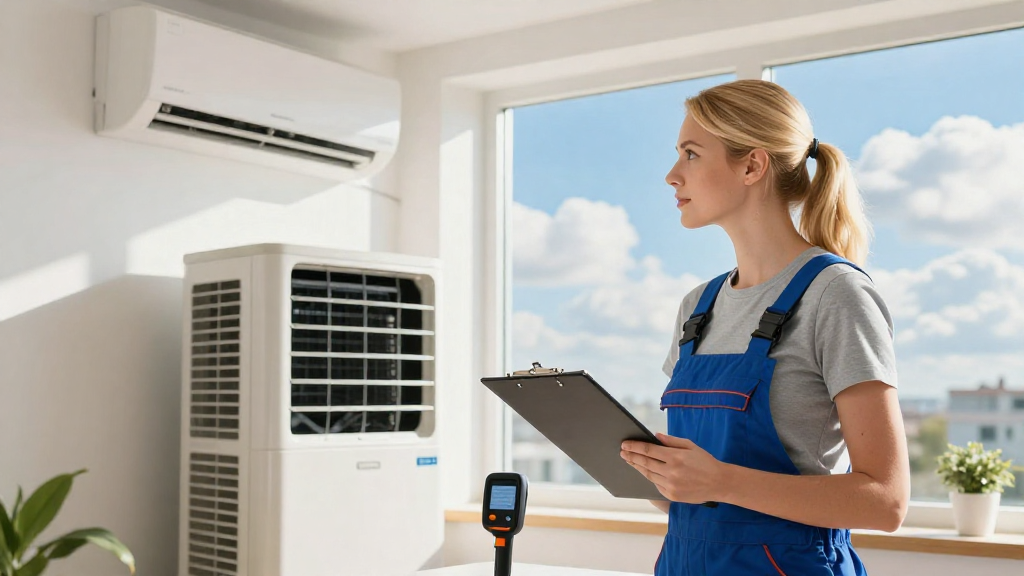
Are you looking to enhance the efficiency of your HVAC system? Understanding how air conditioning and energy audits work together can help you optimize your cooling system while lowering energy bills.
What are Energy Audits?
Energy audits are systematic assessments of a building’s energy usage.
They identify where energy is being wasted and highlight opportunities for improvement.
Conducting an energy audit helps homeowners and businesses uncover hidden inefficiencies, particularly in air conditioning systems.
A well-executed energy audit can lead to significant savings and improved comfort.
Why is an Energy Audit Important for Your Air Conditioning System?
Conducting an energy audit is crucial for multiple reasons.
-
Identify Inefficiencies:
An energy audit will spotlight underperforming areas in your air conditioning system. -
Optimize Performance:
You can implement recommendations from an audit to enhance the efficiency of your air conditioning system. -
Reduce Energy Costs:
Discovering ways to save energy can lead to lower utility bills each month. -
Increase Lifespan of Equipment:
Recognizing and addressing potential issues can extend the life of your air conditioning system. -
Environmental Impact:
Improving energy efficiency reduces your carbon footprint, making it a better choice for the environment.
How Do You Conduct an Energy Audit?
Conducting an energy audit can be a DIY task or done by a professional.
1. Gather Data
Start by gathering your utility bills from the past year.
Look for patterns in energy usage and peak demand times.
2. Check Air Conditioning Systems
Inspect your air conditioning units for:
-
Refrigerant Leaks:
Determine if your system is losing refrigerant, which can reduce efficiency. -
Dirty Filters:
Clogged filters can impede airflow and lead to increased energy consumption. -
Duct Issues:
Check for leaks in ducts that might cause cool air to escape before it reaches your living space.
3. Assess Insulation and Sealing
Insufficient insulation:
- Allows cool air to escape
- Increases the workload on your air conditioning system
Make sure to inspect windows, doors, and other openings for air leaks and consider investing in high-quality insulation.
4. Evaluate Thermostat Settings
A programmable or smart thermostat can optimize your air conditioning usage by adjusting settings based on your schedule, which promotes energy efficiency.
Evaluate your current thermostat and consider upgrading if necessary.
5. Analyze Appliance Usage
Assess the efficiency of any additional cooling appliances, such as fans or space heaters.
Using energy-efficient appliances can also contribute to a more effective air conditioning system.
What Tools Are Used for Energy Audits?
When conducting energy audits for air conditioning, various tools and techniques can come in handy.
-
Blower Door Test:
This test assesses the airtightness of your home to identify leaks. -
Thermal Imaging Camera:
Catch hidden air leaks and insulation gaps by visualizing temperature differences. -
Data Loggers:
Track energy consumption patterns over time for accurate analysis. -
Smart Meters:
Monitor real-time energy usage to identify trends throughout the day.
How Can Air Conditioning and Energy Audits Work Together?
Integrating air conditioning and energy audits into your routine can lead to remarkable improvements.
1. Energy Efficiency Recommendations
After the audit, implement specific energy efficiency strategies, which may include:
- Regular maintenance check-ups for your air conditioning unit.
- Sealing ductwork to prevent leaks.
- Upgrading to energy-efficient models if your unit is old.
2. Behavioral Changes
Sometimes, minor behavioral changes can significantly impact energy efficiency. Consider:
-
Setting thermostat temperatures wisely:
Adjusting the thermostat when you’re not home can save energy. -
Using fans in conjunction with AC:
Ceiling or portable fans can help circulate cool air.
3. Financing Improvements
Many utility companies offer financing programs or rebates to help offset costs associated with energy audits and updates.
Make sure to check if your local energy provider offers incentives for improved air conditioning practices.
Conclusion: Optimize Your Air Conditioning with Energy Audits
Understanding the relationship between air conditioning and energy audits can help you improve overall efficiency and reduce energy costs.
An energy audit allows you to identify inefficiencies, leading to actionable improvements.
By following the steps outlined above, you can:
- Enhance the performance of your air conditioning system
- Lower utility bills
- Contribute to a sustainable environment
Investing in an energy audit is an investment in your comfort, wallet, and the Earth. Consider it your first step toward a cooler, more efficient home.