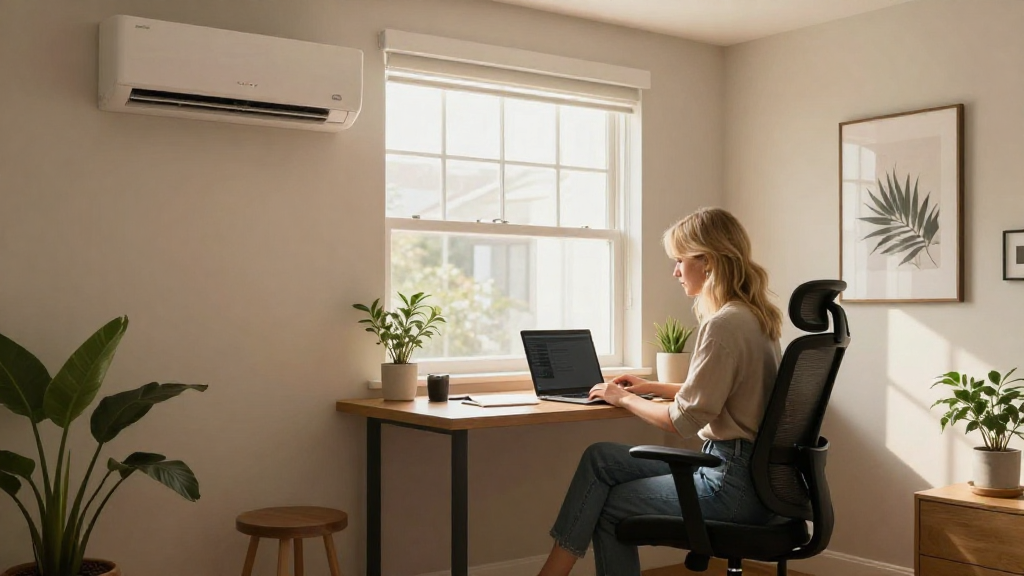
Working remotely has become the norm for many professionals around the globe.
With this shift, understanding how air conditioning and remote work intersect is essential for maintaining comfort and productivity.
Why Is Air Conditioning Important for Remote Work?
When you’re working from home, comfort is key to maintaining focus and efficiency.
With fluctuating temperatures, poor air quality, and humidity levels, your workspace can quickly become an uncomfortable environment.
Here’s why air conditioning plays a vital role in creating an ideal workspace:
-
Temperature Control: Air conditioning allows for customizable temperatures, ensuring you can work in a comfortable setting.
-
Improved Air Quality: Modern air conditioning systems filter dust, pollen, and other allergens from the air, creating a healthier workspace.
-
Increased Productivity: Comfortable temperatures help you stay focused, reducing distractions caused by overheating or excessive cold.
-
Humidity Regulation: Higher humidity can lead to discomfort and reduced efficiency; air conditioners help manage humidity levels effectively.
How Can You Optimize Your Air Conditioning for Remote Work?
To ensure that your air conditioning system effectively supports your remote work environment, consider these tips:
1. Choose the Right System
Choosing the right air conditioning system is crucial for your comfort.
Here are a few options to consider:
-
Central Air Conditioning: Best for larger spaces, offering consistent cooling throughout your home.
-
Window Air Conditioners: Ideal for smaller rooms or budget-conscious individuals; easy to install and operate.
-
Portable Air Conditioners: Great for flexibility; you can easily move them to different rooms as needed.
2. Maintain Your Air Conditioning Unit
Regular maintenance is essential for optimal performance.
Here’s what you should do:
-
Replace Filters: Change your air filters every 1-3 months to ensure clean air and efficient operation.
-
Clean the Coils: Dust and dirt can hinder performance; clean the evaporator and condenser coils regularly.
-
Schedule Professional Inspections: At least once a year, have an HVAC technician inspect your unit to catch any potential issues early.
3. Consider Energy Efficiency
As remote work continues, so might the increase in your energy bill.
Here’s how to keep costs down while ensuring comfort:
-
Energy-Efficient Models: When purchasing new units, look for ENERGY STAR® labeled air conditioners that consume less electricity.
-
Smart Thermostats: Install a smart thermostat that automatically adjusts temperatures based on your schedule, minimizing energy waste.
-
Set Ideal Temperatures: The U.S. Department of Energy suggests keeping your thermostat at 78°F when you’re home and active for optimal comfort and efficiency.
4. Airflow Management
Proper airflow is crucial for effective cooling.
Consider the following strategies:
-
Keep Vents Unobstructed: Ensure that furniture or other items don’t block your air conditioning vents.
-
Use Ceiling Fans: Ceiling fans can help circulate cool air more effectively, providing additional comfort.
-
Close Doors and Windows: Keep doors and windows closed while the air conditioning is on to maintain a stable indoor temperature.
What Additional Comfort Tips Can Enhance Your Work Environment?
Besides air conditioning, there are several ways to make your remote workspace comfortable:
1. Dress Appropriately
Wearing light, breathable fabrics can help you stay comfortable while working in an air-conditioned environment.
2. Create a Cozy Workspace
-
Invest in Ergonomic Furniture: A good chair and desk setup can make a big difference in comfort levels.
-
Add Personal Touches: Incorporate plants, decorations, and personal items that make the space enjoyable.
3. Stay Hydrated
Drink plenty of water throughout the day.
Dehydration can lead to feelings of fatigue and distraction.
4. Take Regular Breaks
Regular breaks can help you reset and stay comfortable.
Try the Pomodoro Technique: work for 25 minutes, then take a 5-minute break.
How Does Air Conditioning Impact Your Health While Working Remotely?
It’s important to be aware of how air conditioning and remote work can influence your health.
Here’s what to keep in mind:
-
Respiratory Issues: Poor air circulation can lead to respiratory problems. Make sure your air conditioning unit is well-maintained.
-
Dehydration: Air conditioning can dry out the air, leading to dehydration. Keep a water bottle at your desk to stay hydrated.
-
Temperature Extremes: Avoid setting the air conditioning too low as chilling your workspace can lead to discomfort and impact your focus.
Conclusion: Embrace Air Conditioning for a Better Remote Work Experience
As more individuals embrace remote work, understanding the importance of air conditioning and remote work becomes essential.
By choosing the right air conditioning system, maintaining it regularly, optimizing airflow, and creating a conducive workspace, you can enhance your work-from-home experience.
Embrace these strategies to stay cool, comfortable, and productive in your remote work environment.
With the correct setup, you’ll not only enjoy a pleasant atmosphere but also boost your overall work efficiency!