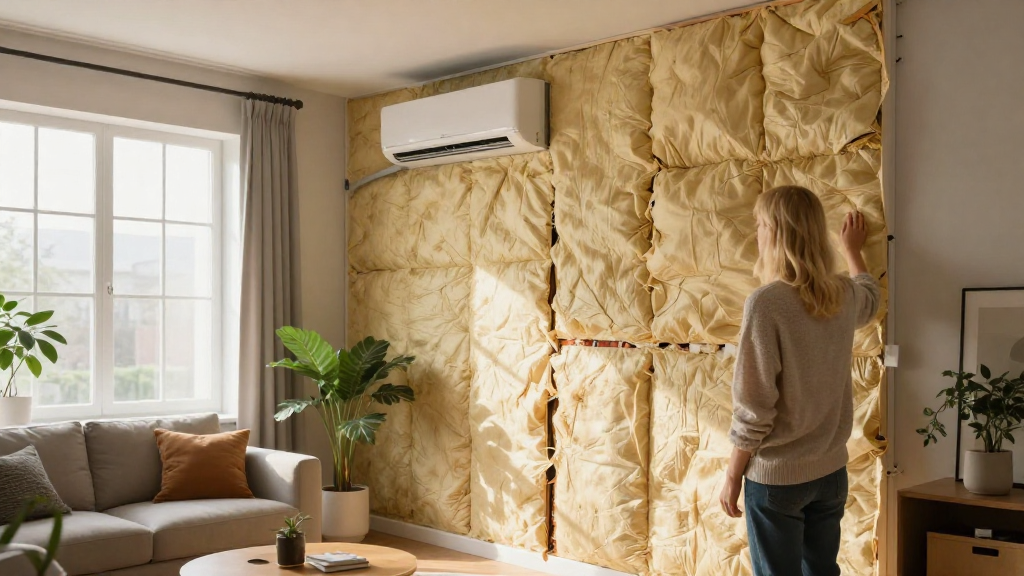
Improving wall insulation for air conditioning can significantly enhance the efficiency of your cooling system.
What is the Connection Between Air Conditioning and Wall Insulation?
Wall insulation plays a critical role in regulating indoor temperatures, especially in homes where air conditioning units are utilized.
When your walls are poorly insulated, cool air can escape, leading to increased energy consumption and discomfort during hot weather.
Investing in effective wall insulation not only improves the performance of your air conditioning system but also lowers energy costs and enhances comfort levels throughout your home.
In this article, we will explore various methods to improve wall insulation for air conditioning, the benefits of proper insulation, and practical steps for implementation.
Why is Proper Wall Insulation Important for Air Conditioning?
Proper wall insulation is essential for effective air conditioning for several reasons:
- Energy Efficiency: Good insulation keeps the cool air inside, reducing the workload on your air conditioning system.
- Cost Savings: By minimizing the cooling demand, you can significantly lower your energy bills.
- Comfort: Adequate insulation helps maintain a consistent indoor temperature, enhancing overall comfort.
- Environmental Impact: Using less energy contributes to a smaller carbon footprint.
What Materials Can Improve Wall Insulation for Air Conditioning?
To improve wall insulation for air conditioning, you have several material options. Here are some common choices:
-
Fiberglass Batts:
– Cost-effective and widely used.
– Provides excellent thermal resistance (R-value). -
Spray Foam Insulation:
– Expands to fill gaps and cracks, providing a superior air seal.
– Offers a high R-value and great moisture control. -
Rigid Foam Board:
– Effective for exterior walls and basement walls.
– Lightweight and easy to handle. -
Cellulose Insulation:
– Made from recycled paper products.
– Environmentally friendly and has good soundproofing capabilities. -
Mineral Wool (Rock Wool):
– Fire-resistant and excellent for soundproofing.
– Good R-value and moisture resistance.
How Can You Improve Existing Wall Insulation for Air Conditioning?
If you have an existing house with subpar wall insulation, you might wonder how to improve it. Here are some effective strategies:
1. Assess Your Current Insulation
Start by evaluating the existing insulation in your walls.
Check for gaps, moisture damage, or any signs of wear.
If you identify problems, you may need to remove old materials and replace or upgrade with newer, more effective options.
2. Seal Air Leaks
Air leaks can dramatically impact the efficiency of your air conditioning system.
Use caulk or spray foam to seal gaps around these areas:
- Doors and windows
- Electrical outlets and switches
- Baseboards and sill plates
- Plumbing vents and ducts
3. Add Insulation to Your Walls
You may want to consider adding insulation to your walls through various methods:
- Blown-In Insulation: This method involves injecting insulation material directly into the walls.
-
It’s ideal for retrofit projects and works well in both finished and unfinished walls.
-
Insulation Panels: For substantial upgrades, consider adding rigid foam insulation panels to the interior or exterior of the walls.
- They can be attached using adhesive or mechanical fasteners, providing a high R-value boost.
4. Upgrade to Spray Foam Insulation
If you are looking for a sophisticated solution, upgrading to spray foam insulation may be beneficial.
- It can expand to fill even the tiniest cracks.
- Offers superior sealing against air movement, which improves both insulation and energy efficiency.
5. Use Thermal Mass
In locations with extreme temperature differences between day and night, adding materials with high thermal mass (like concrete or brick) can help stabilize indoor temperatures.
- This can complement your air conditioning system and improve overall efficiency.
What Are the Benefits of Improved Wall Insulation for Air Conditioning?
Investing time and resources into improving wall insulation for air conditioning has multiple benefits:
- Enhanced Comfort: You’ll enjoy better temperature regulation throughout your home, leading to a more comfortable living environment.
- Lower Energy Bills: By improving insulation, your cooling system won’t have to work as hard to maintain cool air inside, reducing utility costs.
- Increased System Longevity: A well-maintained air conditioning system experiences less wear and tear, potentially extending its lifespan.
- Noise Reduction: Good wall insulation helps dampen sound, making your home a quieter space.
How Can You Maintain Your Wall Insulation Over Time?
After investing in improved wall insulation for your air conditioning, maintenance is critical. Here’s how you can ensure the longevity of your insulation:
- Regular Inspections: Periodically check for signs of wear or damage, especially after extreme weather conditions.
- Clear Gutters and Downspouts: Ensure proper drainage away from your home to prevent moisture buildup.
- Maintain Humidity Levels: Keep an eye on indoor humidity; too much can degrade certain types of insulation.
Conclusion
Improving wall insulation for air conditioning is a crucial step in enhancing energy efficiency, comfort, and indoor air quality.
By assessing your current situation, sealing air leaks, and considering upgraded materials, you can make significant strides in optimizing your space.
Properly insulated walls don’t just support your cooling efforts—they’ll save you money, increase your home’s value, and contribute to sustainable living.
Invest the time and resources needed, and enjoy the many benefits that come with effective air conditioning and wall insulation.
With these improvements in your home, you’ll find your air conditioning system operates more smoothly, ensuring a comfortable living environment all summer long.