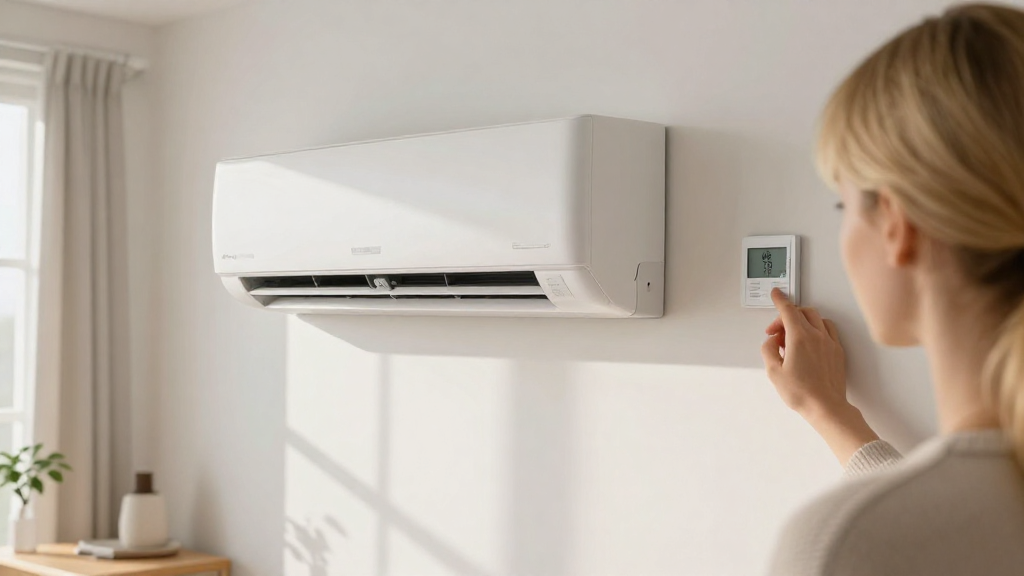
Understanding air conditioning running costs is essential for homeowners who want to maintain a comfortable environment without overspending on energy bills.
In this article, we’ll delve into the various factors that contribute to your air conditioning running costs, how to calculate them, and tips for optimizing your system’s efficiency.
What Factors Influence Air Conditioning Running Costs?
Several key factors can significantly impact your air conditioning running costs. Here’s a breakdown:
-
Energy Efficiency Rating:
– Air conditioners come with a Seasonal Energy Efficiency Ratio (SEER) rating.
– A higher SEER rating indicates greater efficiency, which generally leads to lower running costs. -
Usage Patterns:
– The more you run your air conditioning, the higher your costs.
– Usage varies based on factors like climate and personal preferences. -
System Size:
– Properly sized units are crucial.
– An oversized unit will cycle on and off frequently, increasing wear and tear and energy consumption. -
Electricity Rates:
– Local energy rates can vary significantly.
– Knowing your kilowatt-hour (kWh) cost will help in calculating running costs. -
Maintenance:
– Regular maintenance can ensure optimal performance.
– Dirty filters or coils can lead to inefficient operation, increasing running costs. -
Type of Air Conditioner:
– Central units versus window units can have very different running costs.
– Ductless mini-splits can also impact your overall energy consumption.
How to Calculate Air Conditioning Running Costs?
Calculating your air conditioning running costs can be done in a few simple steps:
- Find the Power Consumption:
Determine the power consumption of your air conditioning unit, typically expressed in watts (W).
This information is often found on the unit’s nameplate or the user manual.
- For example, a unit might use 2000 watts.
- Convert Watts to Kilowatts:
Since energy companies charge by the kilowatt-hour, you need to convert watts to kilowatts.
To do this, divide the wattage by 1000.
- Example:
- 2000 W ÷ 1000 = 2 kW
- Estimate Daily Usage:
Calculate how many hours you average the air conditioner daily.
This will vary based on your personal comfort level and climate.
- Example:
- If you run it for 8 hours a day, then: 2 kW × 8 hours = 16 kWh per day.
- Determine Monthly Usage:
Multiply your daily usage by the number of days in a month.
- Example:
- 16 kWh/day × 30 days = 480 kWh/month.
- Calculate the Cost:
Now, multiply the total monthly usage by your local electricity rate (usually measured in cents per kWh).
- Example:
- If your rate is $0.12 per kWh:
480 kWh × $0.12 = $57.60/month.
This will give you a good estimate of your air conditioning running costs for the month.
Why is Knowing Your Air Conditioning Running Costs Important?
Understanding your air conditioning running costs can lead to several benefits:
- Budget Control: You can manage your finances better by knowing how much to allocate for energy bills.
- Efficiency Improvements: If costs are higher than expected, it may encourage you to seek efficient alternatives or maintenance.
- Investment Decisions: You can determine if upgrading to a more efficient model may save you money in the long run.
How Can You Minimize Air Conditioning Running Costs?
Once you understand how to calculate your air conditioning running costs, you may want to implement strategies to lower them. Here are some tips:
-
Regular Maintenance:
– Clean or replace filters monthly.
– Schedule professional inspections at least once a year to ensure efficiency. -
Use Programmable Thermostats:
– Program your thermostat to adjust temperatures while you are away from home.
– Set higher temperatures during the day when you’re at work. -
Seal Air Leaks:
– Check windows, doors, and ducts for air leaks to prevent cool air from escaping.
– Use weather stripping or sealant to close gaps. -
Upgrade Your Air Conditioner:
– If your unit is old, upgrading to a high-efficiency model (SEER rating of 15 or more) can pay off over time.
– Evaluate the budget for a new system that meets your needs. -
Insulation:
– Enhance your home’s insulation to keep cool air in.
– Insulating ducts can also reduce cold air loss in central air systems. -
Shade and Ventilation:
– Utilize curtains or blinds to block direct sun during the hottest hours.
– Consider adding ceiling fans to circulate air better and reduce running times.
What to Do if Costs Keep Rising?
If despite all your efforts, you notice your air conditioning running costs continue to rise:
- Check for any new leaks or issues with your ducts.
- Re-evaluate the efficiency of your system and whether it’s time for a replacement.
- Consider consulting with an HVAC professional who can conduct an energy audit.
Conclusion
Understanding and calculating your air conditioning running costs can empower you to make informed decisions that affect your comfort and pocketbook.
By following the outlined steps and strategies, you’ll not only have a clearer picture of your expenses but also ways to minimize unnecessary costs.
Implement these practices to ensure that your air conditioning system operates efficiently, providing you with comfort while keeping energy bills in check.
Take control of your air conditioning running costs today for a more comfortable and economical home environment!