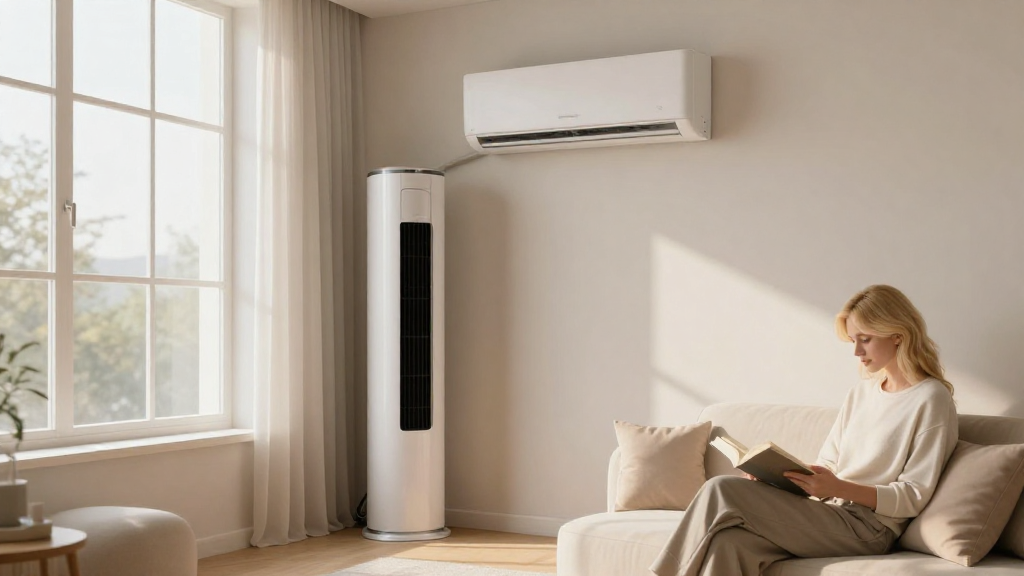
In any setting, especially in noise-sensitive areas, maintaining a peaceful environment is essential. This article will provide you with practical tips on how to achieve silent air conditioning for noise-sensitive areas.
What Makes Air Conditioning Noisy?
There are several reasons why air conditioning units generate noise. Understanding these factors is the first step in reducing unwanted sounds.
- Compressor Vibration: The compressor is the heart of your air conditioning system.
It can produce considerable noise due to vibrations.
-
Fan Noise: The fans inside the unit can produce a lot of sound as they cycle air in and out.
-
Poor Installation: Incorrect installation can lead to potential noise issues.
-
Age of the Unit: Older air conditioning units tend to be noisier due to wear and tear.
-
Obstructions: Debris or misaligned components can create excess noise.
By identifying these noise factors, you can effectively target the necessary areas to reduce sound.
How Can I Choose Quieter AC Units?
When it comes to air conditioning for noise-sensitive areas, choosing the right unit is crucial.
Look for these features:
-
High Energy Efficiency Rating (EER): Units with higher EER ratings are often quieter.
-
Variable Speed Compressor: This feature allows the compressor to run at different speeds, reducing noise when cooling is not as intense.
-
Sound-Reducing Technology: Some manufacturers design their units specifically to minimize noise.
-
Ductless Systems: These systems are typically quieter than traditional window or central units, as the noisy components are located outside.
Consider brands known for their low-noise models, such as:
- Mitsubishi
- Daikin
- LG
- Friedrich
How Can I Improve My Existing AC Unit’s Quietness?
If you’re not in the market for a new air conditioning unit, there are still ways to reduce noise.
Here are effective methods:
-
Regular Maintenance: Ensure that your unit is serviced regularly to identify and fix any issues that might cause noise.
-
Dampening Vibration: Place rubber pads under the unit to absorb vibrations and reduce sound transmission.
-
Insulation: Insulate ductwork and pipes, which can help minimize sound travel throughout your space.
-
Positioning: If possible, place the unit further away from bedrooms and living areas.
-
Use Sound Barriers: Create barriers, such as tall plants or screens, around outdoor units to deflect noise.
-
Wrap the Unit: If it’s feasible, consider wrapping your air conditioner in sound-absorbing materials specifically designed for this purpose.
What Maintenance Steps Can I Take to Ensure Quiet Operation?
Routine maintenance is essential for ensuring your air conditioning for noise-sensitive areas operates quietly.
Key maintenance steps include:
-
Change Filters Regularly: Clogged filters can make the unit work harder, generating more noise.
-
Clean the Condenser Coils: Dirt buildup on coils can reduce efficiency and increase noise.
-
Tighten Loose Components: Periodically check and tighten any loose bolts or screws to avoid rattling sounds.
-
Inspect Ductwork for Leaks: Leaky ducts can not only waste energy but also exacerbate noise issues.
-
Check Refrigerant Levels: Low refrigerant can lead to the compressor working harder and being noisier.
Are There Alternative Cooling Solutions for Quiet Zones?
In some cases, it might be worth considering alternatives to conventional air conditioning systems.
Explore these options:
-
Evaporative Coolers: These systems cool air through evaporation and are generally quieter than traditional air conditioners.
-
Fans: Using ceiling or oscillating fans can enhance air circulation with minimal noise.
-
Natural Ventilation: Open windows or use natural airflow to reduce the need for air conditioning altogether.
-
Geothermal Systems: Though they come with a higher initial investment, geothermal heating and cooling systems operate much quieter than traditional units.
What Role Does Installation Play in Noise Levels?
As mentioned earlier, proper installation of your air conditioning system can significantly impact noise levels.
Pay attention to the following during installation:
-
Leveling the Unit: Ensuring the unit sits on a stable, level surface prevents unnecessary vibrations.
-
Soundproofing Materials: Use soundproofing materials in installs to reduce noise.
-
Duct Design: Properly designed ductwork can minimize airflow noise.
-
Clearance Space: Providing adequate space around the unit allows for proper airflow and operation, which can reduce noise.
Is Professional Help Necessary?
While some of these tips can be a DIY project, hiring professionals can ensure your air conditioning for noise-sensitive areas operates quietly and efficiently.
Benefits of Professional Installation and Maintenance:
-
Expert Knowledge: Professionals can identify and address potential noise issues you might overlook.
-
Warranty: Many companies provide warranties on their work, giving you peace of mind.
-
Time-Saving: Hiring experts allows you to focus on what matters most to you.
When Should You Consider an Upgrade?
If noise continues to be an issue despite your efforts, it may be time to consider an upgrade.
Signs an Upgrade is Necessary:
-
Persistent Noise: Continuous noise issues despite maintenance efforts.
-
High Energy Bills: Increasing energy costs can indicate an inefficient unit.
-
Old Age: Most air conditioning units last about 10-15 years. If yours is older, a replacement might be more cost-effective in the long run.
-
Lack of Comfort: If your space remains uncomfortable despite your air conditioning efforts, an upgrade could make a significant difference.
Conclusion
Maintaining a quiet environment in noise-sensitive areas is essential for comfort and well-being.
By choosing the right air conditioning system, improving your existing unit, and understanding the importance of proper installation and maintenance, you can significantly reduce noise.
Remember, if you feel overwhelmed or unsure, reaching out to professionals can be a wise investment.
Always prioritize comfort along with your selection criteria to ensure you enjoy a peaceful, cool environment.