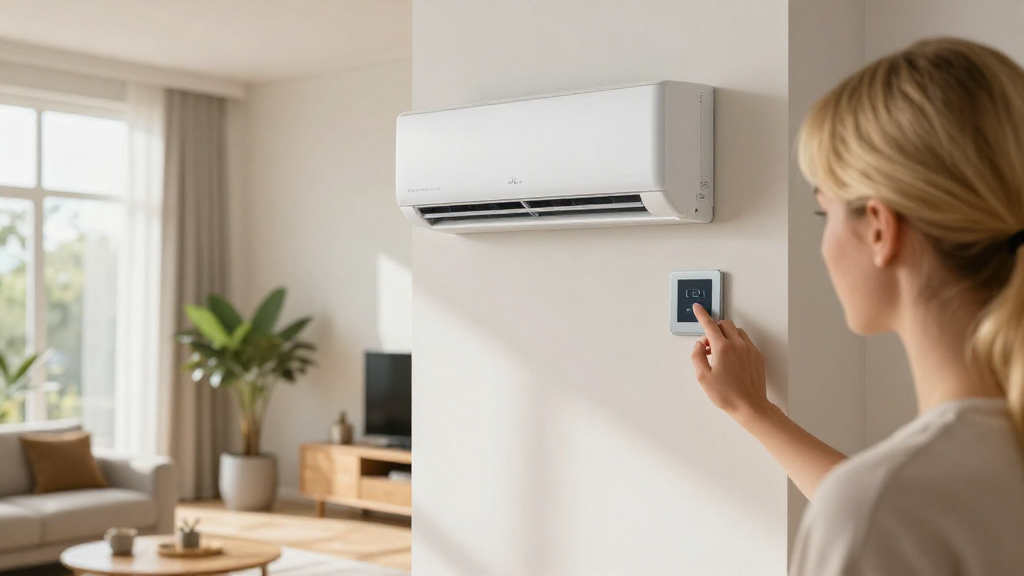
Air conditioning control systems are essential for maintaining a comfortable indoor environment.
In this article, we will explore how to use air conditioning control systems effectively to enhance your comfort, save energy, and improve air quality.
What Are Air Conditioning Control Systems?
Air conditioning control systems are sophisticated systems designed to regulate and manage the cooling and heating processes in your home or office.
They can range from simple manual thermostats to advanced smart thermostats that learn your habits.
Key Features of Air Conditioning Control Systems
- Temperature Control: Set your desired temperature for optimal comfort.
- Humidity Management: Helps maintain appropriate humidity levels to enhance air quality.
- Energy Efficiency: Smart systems can optimize the use of energy, reducing your utility bills.
- Remote Access: Many modern systems allow you to control your AC from your smartphone or tablet.
- Programmable Settings: Schedule temperature changes according to your daily routine.
How Do Air Conditioning Control Systems Work?
Understanding how air conditioning control systems function can help you maximize their capabilities.
These systems typically consist of the following components:
- Thermostat: Measures the indoor temperature and communicates with the air conditioning unit.
- Control Board: The brain of the system that processes data from the thermostat and sends commands to the AC unit.
- Sensors: Monitor temperature, humidity, and air quality.
- Air Conditioning Unit: Converts refrigerant gas to cool or heat the air.
Together, these components work seamlessly to maintain your desired indoor climate.
How Can You Use Air Conditioning Control Systems Effectively?
Here are some strategies to help you use air conditioning control systems effectively:
1. Opt for Smart Thermostats
Smart thermostats offer advanced features that can significantly improve your air conditioning experience.
- Adaptive Learning: They learn your schedule and preferences, automatically adjusting the temperature when you’re home or away.
- Energy Reports: Receive insights into your AC usage and tips for saving energy.
- Remote Control: Manage your AC through a smartphone app, even when you’re not at home.
2. Regular Maintenance is Key
To ensure your air conditioning control systems function optimally, regular maintenance is essential.
- Filter Replacement: Change or clean the air filters every 1-3 months to maintain air quality and efficiency.
- Professional Servicing: Schedule annual check-ups with HVAC professionals to identify and resolve issues early.
- Clean the Coils: Make sure the evaporator and condenser coils are clean for efficient heat exchange.
3. Program Your Thermostat
Programming your thermostat can lead to substantial energy savings.
- Set Up a Schedule: Create a heating and cooling schedule that reflects your daily routine, reducing energy use when the space is unoccupied.
- Utilize Vacation Mode: If you’re going away, set the thermostat to an energy-saving temperature to avoid unnecessary energy consumption.
4. Optimize Zoning Systems
If your air conditioning control system includes zoning capabilities, utilize them for customized comfort.
- Zone Control: Direct cooling and heating to specific areas based on usage.
- Temperature Variations: Set different temperatures for sleeping areas, living rooms, and unoccupied rooms.
5. Utilize Sensors and Automation
Modern air conditioning control systems often include smart sensors and automation options to improve functionality.
- Occupancy Sensors: Automatically adjust temperatures based on room occupancy to save energy.
- Smart Integration: Connect your air conditioning control systems to other smart home devices for optimized management.
What Are the Benefits of Using Air Conditioning Control Systems?
Using air conditioning control systems effectively can lead to several benefits:
- Energy Efficiency: Reduce your utility bills through optimized energy usage.
- Enhanced Comfort: Maintain consistent and comfortable temperatures throughout your home.
- Improved Air Quality: Regulate humidity and air purity for a healthier living environment.
- Convenience: Control your indoor climate from anywhere with remote accessibility.
When Should You Upgrade Your Air Conditioning Control Systems?
Knowing when to upgrade your air conditioning control systems can lead to improved performance and savings.
Signs It’s Time to Upgrade:
- Frequent Repairs: If you’re constantly calling for repairs, it may be time for an upgrade.
- High Energy Bills: If your energy costs are increasing without a clear explanation, an outdated system may be to blame.
- Inconsistent Temperatures: Struggling to maintain a consistent indoor temperature could indicate a need for a modern system.
- Lack of Smart Features: If your current system lacks smart capabilities, upgrading can enhance convenience and efficiency.
Conclusion: Mastering Air Conditioning Control Systems
To sum up, effectively using air conditioning control systems is key to achieving optimal indoor comfort and efficiency.
By investing in modern technology, performing regular maintenance, and customizing your settings, you can ensure your air conditioning system operates at its best.
Whether you’re controlling your home’s temperature through a smart thermostat or understanding the benefits of proper maintenance, these steps will help you maximize your comfort and savings.
Consider the current state of your air conditioning control systems and take action to enhance your indoor environment.
With these tips at your disposal, you’ll be well on your way to harnessing the full potential of your air conditioning control systems for a more comfortable, efficient home.