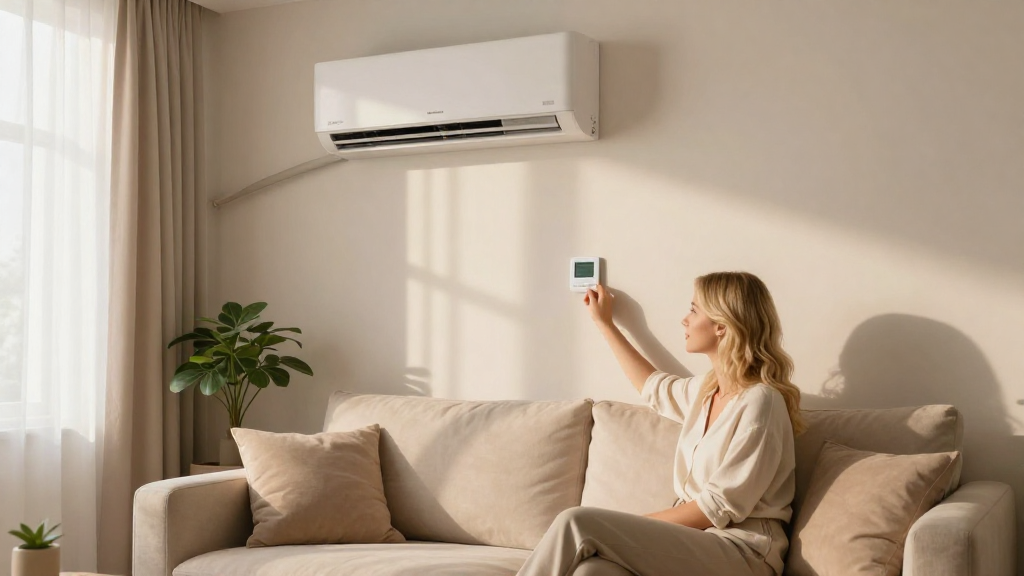
Air conditioning overcooling can be a common issue, especially during the hot summer months.
Understanding how to control the temperature in your home effectively can make a big difference in comfort and energy efficiency.
What is Air Conditioning Overcooling?
Air conditioning overcooling occurs when the temperature in a room or space drops excessively due to the air conditioning unit working harder than necessary.
This often results in discomfort for the occupants and increased energy bills.
Why Does Overcooling Happen?
Several factors can contribute to air conditioning overcooling, including:
-
Thermostat Settings: Setting your thermostat too low can cause your AC to overcool the space.
-
External Temperature: An extreme difference between the outside and inside temperatures may lead the air conditioning unit to overcompensate.
-
Insulation Issues: Poor insulation can contribute to temperature imbalances.
-
Faulty Sensors: Malfunctioning thermostat sensors can misread the temperature and trigger unnecessary cooling.
How Can You Prevent Air Conditioning Overcooling?
Now that we understand what air conditioning overcooling is and why it happens, let’s explore some effective strategies to prevent it.
1. Set Your Thermostat Wisely
One of the simplest ways to avoid air conditioning overcooling is to set your thermostat at a comfortable yet practical temperature, typically around 75°F (24°C).
- Avoid setting it lower than 70°F (21°C) during summer, as your unit will have to work harder to maintain that temperature.
2. Use Programmable Thermostats
Investing in a programmable thermostat can help regulate your home’s temperature more effectively.
- You can set specific temperatures for different times of the day, ensuring that your air conditioning unit doesn’t run unnecessary cycles when no one is home.
3. Regular Maintenance
Regular maintenance of your air conditioning system is crucial in preventing overcooling.
-
Change Filters: Dirty filters can reduce efficiency and cause the unit to work overtime.
-
Check Refrigerant Levels: Low refrigerant can make your unit work harder and could lead to overcooling.
-
Clean Coils: Ensure the evaporator and condenser coils are clean for efficient operation.
4. Use Fans Wisely
Using ceiling or portable fans along with your air conditioning can help distribute cool air more evenly without overcooling.
-
Circulate Air: Fans help circulate the cool air, allowing you to raise the thermostat a few degrees while still feeling comfortable.
-
Reduce the Load: This will lessen the load on your air conditioning unit, preventing it from overcooling.
5. Seal Leaks and Insulate Properly
Ensure that your home is properly insulated and check for drafts around doors and windows.
-
Seal Gaps: Use caulk or weatherstripping to seal air leaks.
-
Insulate: Proper insulation will maintain the temperature inside the home, preventing the need for excessive cooling.
6. Limit Heat-Generating Activities
Certain activities can generate extra heat in your home, prompting your air conditioning to work harder than needed.
-
Be Mindful of Appliances: Limit the use of heat-generating appliances during the hottest part of the day.
-
Switch to LED Lighting: Opt for LED bulbs, which emit significantly less heat compared to traditional incandescent bulbs.
7. Consider Zoning Systems
Zoning systems allow you to control the temperature in different areas of your home independently.
- Room-by-Room Control: This enables you to avoid overcooling in unoccupied rooms while keeping the temperatures comfortable in frequently used spaces.
8. Monitor Your Energy Use
Using smart home systems or energy monitors can help keep an eye on your energy consumption.
-
Identify Patterns: Look for patterns when your AC runs excessively or when overcooling occurs.
-
Adjust Accordingly: Make necessary adjustments based on your findings.
When Should You Call a Professional?
If you have tried the above tips and still experience air conditioning overcooling, it might be time to call in professionals.
-
Persistent Issues: If your unit continues to overcool despite maintenance and proper settings.
-
Strange Noises: Unusual sounds or smells can indicate underlying issues.
-
Frequent Cycling: If your AC turns on and off frequently, this could be a sign of malfunctioning components.
Conclusion
Preventing air conditioning overcooling is essential for maintaining comfort and energy efficiency.
By taking a few simple steps, such as optimizing your thermostat settings, maintaining your AC unit, and using fans strategically, you can enjoy a comfortable living space without overcooling.
Remember to regularly check your air conditioning system for proper maintenance and, if all else fails, consult with professionals to keep your system working optimally.
By implementing these strategies, you can ensure that air conditioning overcooling becomes a thing of the past.