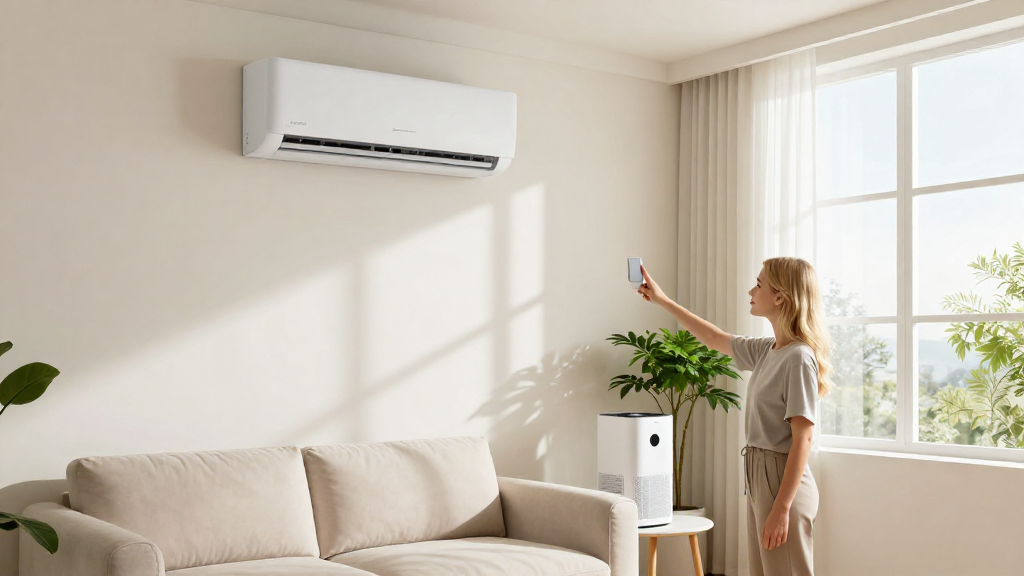
Air conditioning and allergen control can significantly improve your indoor air quality.
In this article, we will explore how air conditioning can help reduce allergens and enhance your living environment.
What Causes Allergens in Your Home?
Allergens are substances that can trigger allergic reactions and are commonly found in our households.
Here are some of the most common allergens:
- Dust mites: Microscopic creatures that thrive in warm, humid environments.
- Pet dander: Tiny particles shed from the skin and fur of animals.
- Pollen: Seasonal allergens carried indoors by fresh air.
- Mold spores: Fungi that grow in damp areas, releasing spores into the air.
- Cockroach droppings: A less obvious but common indoor allergen.
Understanding what causes allergens is the first step toward effective allergen control.
How Can Air Conditioning Help with Allergen Control?
Air conditioning systems are designed to cool and dehumidify your indoor spaces.
This functionality can actively contribute to allergen control in various ways:
-
Reduces Humidity Levels:
– High humidity levels create a perfect breeding ground for dust mites and mold.
– By maintaining lower humidity levels (ideally between 30% and 50%), air conditioning can significantly reduce the population of these allergens. -
Filters Out Allergens:
– Most air conditioning units come equipped with filters that can trap dust, pet dander, and pollen.
– Regularly changing or cleaning these filters ensures they work effectively. -
Improves Air Circulation:
– Air conditioning promotes consistent airflow, which helps to distribute treated air throughout the home.
– This can prevent region-specific build-ups of allergens. -
Provides Controlled Environment:
– With air conditioning, you can regulate indoor temperatures and humidity, reducing the likelihood of allergens thriving within your space.
Which Type of Air Conditioning is Best for Allergen Control?
When considering air conditioning and allergen control, not all systems are created equal.
Here’s a breakdown of the most common types:
- Central Air Conditioning:
- Offers whole-home cooling and comes with a high-quality air filter.
-
Ideal for filtering out allergens in larger spaces.
-
Window Units:
- Affordable and suitable for single rooms.
-
Can filter allergens, but effectiveness often depends on the filter quality.
-
Portable Air Conditioners:
- Useful for directed cooling.
-
Generally come with filters, but may need more frequent maintenance.
-
Ductless Mini-Split Systems:
- Efficient systems that offer zoned air control.
- Generally have superior filters for allergen control.
How Can I Optimize My Air Conditioning for Allergen Control?
To maximize the benefits of air conditioning and allergen control, follow these tips:
-
Regular Maintenance:
– Clean or replace your filters every one to three months.
– Schedule professional annual maintenance for your air conditioning unit. -
Invest in High-Quality Filters:
– Look for HEPA (High-Efficiency Particulate Air) filters.
– HEPA filters can trap allergens as small as 0.3 microns, significantly improving air quality. -
Use an Air Purifier:
– Consider using an air purifier alongside your air conditioning system.
– These devices can capture additional allergens and improve overall air quality. -
Keep Windows and Doors Closed:
– To prevent outdoor allergens from entering your home, keep windows closed when the air conditioner is running.
– Use weather stripping to seal gaps. -
Control Indoor Humidity:
– Make sure your air conditioning unit is functioning efficiently to keep humidity levels in check.
– Dehumidifiers can further help in areas prone to dampness. -
Monitor Allergens:
– Use a hygrometer to keep track of humidity levels.
– Consider investing in an indoor air quality monitor to measure allergen levels.
What Other Steps Can I Take for Allergen Control?
While air conditioning plays a crucial role in allergen control, consider these additional strategies for a comprehensive approach:
- Regular Cleaning:
- Dust surfaces frequently using a damp cloth.
-
Vacuum carpets and rugs with a vacuum cleaner equipped with a HEPA filter.
-
Wash Bedding Weekly:
-
Use hot water to wash bed linens, pillowcases, and curtains to eliminate dust mites and allergens.
-
Choose Hard Flooring:
- If possible, replace carpets with hard flooring materials like tile or wood.
-
Hard floors do not trap allergens as easily as carpets.
-
Limit Indoor Plants:
-
Certain plants can aggravate allergies due to mold growth on damp soil.
-
Implement an Allergen-Free Zone:
- Designate certain areas, such as bedrooms, where pets and food are not allowed to minimize allergen exposure.
When Should I Consult a Professional?
If you notice that your efforts in using air conditioning for allergen control aren’t yielding positive results, you might need expert assistance.
Consider consulting a professional when:
- You experience persistent allergy symptoms despite using air conditioning.
- Your air conditioning system requires repairs or maintenance that you cannot handle yourself.
- You suspect mold growth or other significant allergens within your home.
Conclusion
Air conditioning and allergen control are intimately linked, offering a practical solution for allergy sufferers.
By maintaining your air conditioning system, optimizing its use, and implementing additional allergen-reducing measures, you can create a more comfortable, healthier living environment.
Start leveraging these tips today and breathe easier in your home!