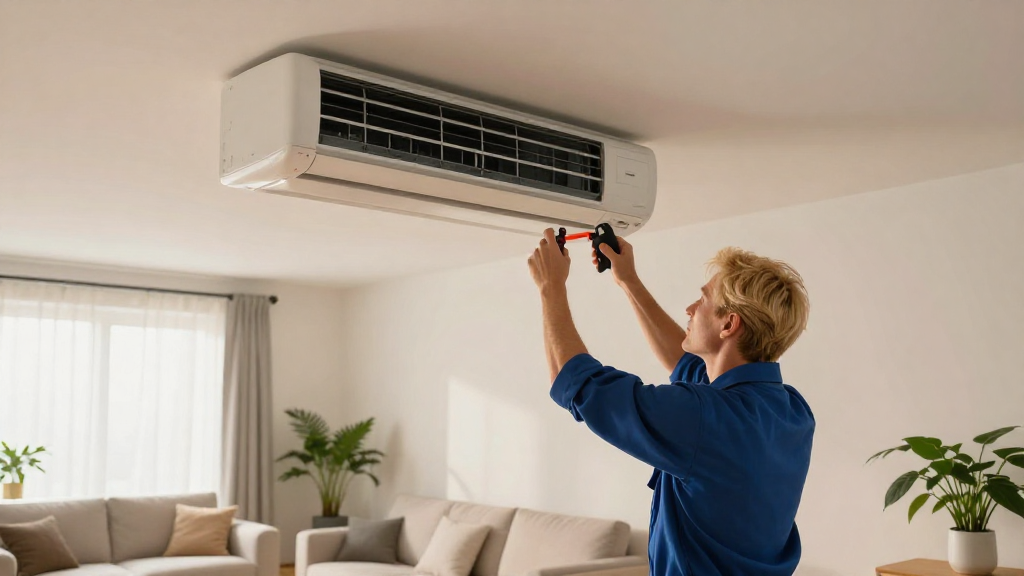
Are you struggling with air conditioning return air issues in your home?
These common problems can significantly impact your comfort and energy efficiency.
In this article, we will delve into the causes and solutions for air conditioning return air issues, ensuring you have a well-functioning AC system.
What Are Air Conditioning Return Air Issues?
To understand air conditioning return air issues, we need to first recognize the role of return air in your HVAC system.
Return air is the air that is drawn back into your air conditioning system to be cooled and recirculated throughout your living space.
If this flow is disrupted, it can lead to various problems, including:
- Insufficient cooling
- Increased energy costs
- Poor indoor air quality
- Uncomfortable humidity levels
What Causes Air Conditioning Return Air Issues?
Identifying the root causes of return air problems can help you implement effective solutions. Here are some primary sources of air conditioning return air issues:
-
Blocked or Dirty Air Filters
– Clogged filters restrict airflow
– Regular maintenance is essential to keep them clean -
Closed or Obstructed Vents
– Furniture or drapes blocking vents can hinder airflow
– Ensure all vents are clear and open -
Improper Duct Design
– Ducts that are too small or improperly configured can reduce airflow
– Consider consulting a professional for duct evaluation -
Leaky Ducts
– Leaks allow air to escape before it reaches your system
– This leads to decreased efficiency and comfort -
Inadequate Return Air Grilles
– Not enough return air grilles can limit airflow
– Ensure your system has a sufficient number of return air grilles
How Can You Diagnose Return Air Issues?
Diagnosing air conditioning return air issues requires a combination of observation and testing. Here are some steps to help you identify the problems:
-
Check Airflow
– Place your hand near the return air grille to feel for airflow
– Weak airflow indicates a problem -
Inspect Filters
– Remove filters and check for dirt and debris
– If they are dirty, it’s time for a replacement -
Examine Vents
– Ensure that all vents are open and unblocked
– Move any furniture or decorations that may be obstructing airflow -
Look for Noise
– Listen for unusual sounds from ducts and vents
– Banging or whistling can indicate air leaks -
Use a Tape Measure
– Measure the temperature at the return air grille and supply vents
– A difference in temperature suggests an issue
What Are the Solutions for Return Air Issues?
Now that you’ve diagnosed the problems, here are effective solutions to fix air conditioning return air issues:
-
Replace Air Filters Regularly
– Aim to change filters every 1-3 months
– Use high-quality filters for improved airflow -
Clear and Open Vents
– Regularly check and maintain all supply and return vents
– Remove any obstructions to ensure optimal airflow -
Seal Duct Leaks
– Inspect ducts for signs of leakage and seal them with duct tape or mastic
– Consider professional sealing for a long-term fix -
Upgrade Duct Systems
– If your ducts are inadequate, consider a replacement or redesign
– Ensure proper sizing and layout for efficient airflow -
Add Return Air Grilles
– Consult with an HVAC professional to determine if additional grilles are needed
– More return air grilles can significantly improve airflow
When Should You Call a Professional?
Sometimes, dealing with air conditioning return air issues might be beyond your capabilities. Here are instances when you should seek professional help:
- Persistent Problems
- If you’ve tried solutions but issues persist
-
A professional can diagnose complex problems
-
Duct Inspection
- If you suspect duct design issues or major leaks
-
Professional inspection ensures comprehensive evaluation
-
System Size Assessment
- If your system seems underperforming
- Proper sizing is crucial for efficiency
How to Maintain Your Air Conditioning System?
Regular maintenance is key to preventing air conditioning return air issues. Here are some essential tips:
-
Schedule Routine Inspections
– Engage a professional technician once a year for a comprehensive check-up
– Early detection of issues can save you money -
Clean the Coils and Fins
– Ensure that condenser coils and evaporator coils are clean
– Dirty coils lead to inefficiency -
Check Refrigerant Levels
– Ensure there are adequate refrigerant levels for optimal cooling
– Low refrigerant can signal leaks and lead to significant issues -
Monitor Your System’s Performance
– Keep track of performance metrics, such as cooling efficiency and energy usage
– Report any changes to a technician immediately -
Educate Yourself
– Learn about your air conditioning system’s operation
– Being informed will help you troubleshoot basic issues
Conclusion
Addressing air conditioning return air issues is crucial for maintaining a comfortable indoor environment.
By understanding the causes, diagnosing problems, and applying effective solutions, you can enhance your HVAC system’s efficiency.
Don’t forget to prioritize maintenance to keep return air problems at bay in the future!
For persistent issues, seek out a professional to ensure your system runs smoothly, ensuring airflow is optimal and energy bills remain in check.
With the right approach, you can enjoy cool, comfortable air all summer long.
By regularly checking your return air grilles, filters, ducts, and vents, you can effectively minimize air conditioning return air issues.
Investing a little time into maintenance can lead to significant savings and lasting comfort in your home.