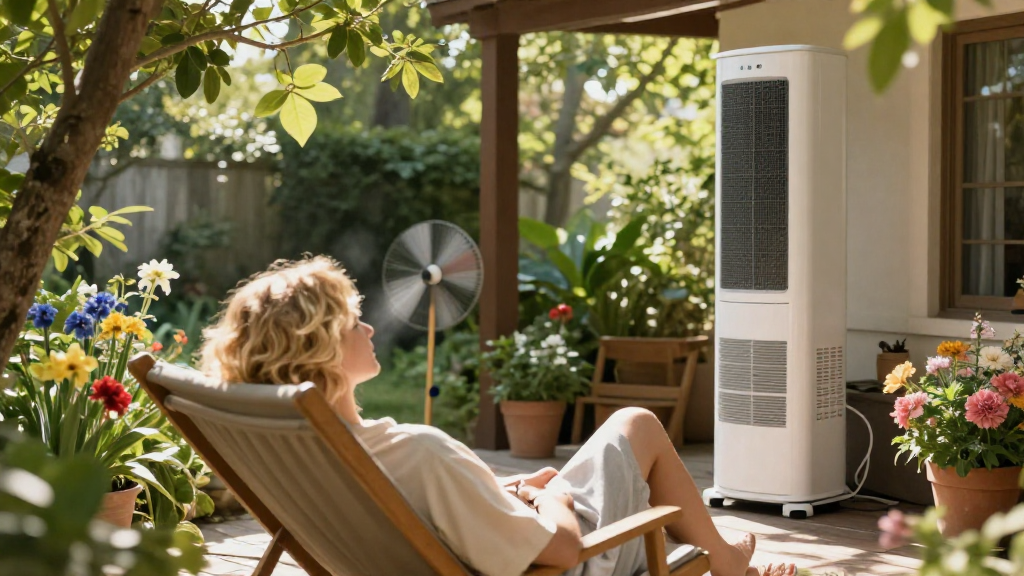
Are you tired of high energy bills and concerns about the environmental impact of traditional air conditioning? In this article, we will explore air conditioning alternatives that can help you stay cool without relying on conventional AC units.
What Are Air Conditioning Alternatives?
Air conditioning alternatives refer to various cooling solutions that either reduce indoor temperatures or create a comfortable living environment without the use of traditional air conditioning systems.
With the rising costs of energy and increasing awareness of climate change, many homeowners are looking for effective solutions that are both cost-efficient and eco-friendly.
Why Should You Consider Air Conditioning Alternatives?
-
Cost-Effective: Many air conditioning alternatives are less expensive to install and operate than traditional systems.
-
Energy Efficiency: Options like fans and evaporative coolers consume significantly less energy and can lead to lower electricity bills.
-
Environmental Impact: By exploring air conditioning alternatives, you can lower your carbon footprint and contribute to a more sustainable future.
-
Health Benefits: Traditional air conditioning can lead to dry air and indoor pollution. Many alternatives promote better air quality.
What Are Some Popular Air Conditioning Alternatives?
There are various methods and technologies to consider when exploring air conditioning alternatives. Let’s take a closer look at some popular options:
1. Evaporative Coolers (Swamp Coolers)
Evaporative coolers work by drawing warm air through water-saturated pads. This method cools the air through evaporation, creating a refreshing atmosphere.
Pros:
– Energy-efficient and environmentally friendly.
– Adds moisture to the air, beneficial in dry climates.
Cons:
– Not effective in humid regions where humidity is already high.
2. Ceiling Fans
Ceiling fans can be an effective way to circulate air and create a wind-chill effect.
Benefits:
– Cost-effective and easy to install.
– Works well in conjunction with air conditioning, allowing you to raise the thermostat a few degrees.
3. Box Fans and Oscillating Fans
Portable fans are a versatile option for cooling small areas. You can place them strategically to enhance airflow in the house.
Advantages:
– Affordable and easy to move.
– Can be used in various settings, whether in the bedroom or living room.
4. Dehumidifiers
Especially in humid climates, using a dehumidifier can significantly improve comfort levels.
How It Works:
– By removing excess moisture from the air, a dehumidifier makes the environment feel cooler to the skin.
5. Solar-Powered Air Conditioning Alternatives
With technological advancements, solar-powered air conditioning systems have become a viable air conditioning alternative.
Perks:
– Reduces reliance on fossil fuels and decreases energy bills.
– Can provide cooling while harnessing renewable energy.
6. Natural Ventilation Techniques
Utilizing natural ventilation can be an excellent way to keep your living spaces cool.
Strategies can include:
– Opening windows during the cool evening and early morning.
– Using exhaust fans to help draw warm air out during the hottest parts of the day.
– Designing your home to maximize airflow through cross-ventilation.
How Can You Implement Air Conditioning Alternatives Effectively?
To maximize the effectiveness of your chosen air conditioning alternatives, consider the following tips:
1. Strategic Planning
Understand your home’s layout and identify areas where heat accumulates.
- Close blinds or curtains during the day to block incoming sunlight.
- Install reflective window films to prevent heat gain.
2. Insulation Improvements
Adequate insulation in walls, attics, and floors helps regulate indoor temperatures efficiently.
- Use weather stripping and caulking to seal gaps and leaks.
- Consider adding insulation material in your attic or basement.
3. Utilize Plants for Natural Cooling
Indoor plants improve air quality and can help cool your space naturally.
- Use large leafy plants to enhance humidity and lower temperatures.
- Consider vertical gardens or trellises with climbing plants outside, as they can provide shade.
4. Consider White Roofs
If you’re building or renovating, consider installing a white roof.
- White roofs reflect sunlight and absorb less heat, leading to a cooler living environment.
- This can significantly reduce cooling costs compared to traditional roofing materials.
Are There New Technologies in Air Conditioning Alternatives?
With the advancement of technology, new and innovative air conditioning alternatives are emerging.
1. Smart Cooling Systems
- These systems can be integrated with existing setups to optimize performance through advanced algorithms.
- They can learn your cooling preferences and adjust based on current weather conditions.
2. Geothermal Cooling
A geothermal system transfers heat from your home to the ground, which has a relatively constant temperature.
- Though it might seem expensive to install initially, it offers considerable energy savings over time.
3. Phase Change Materials
Phase change materials can absorb and release heat effectively, helping to regulate indoor temperatures without active cooling methods.
- This innovative approach is gaining popularity in advanced architectural designs.
Final Thoughts on Air Conditioning Alternatives
Exploring air conditioning alternatives not only contributes to lower energy consumption but also creates a more sustainable living environment.
By considering options like evaporative coolers, ceiling fans, natural ventilation techniques, and integrating smart technologies, you can find the best solutions tailored to your home needs.
Remember to evaluate your climate, home structure, and budget to determine the right mix of air conditioning alternatives that will keep you cool and comfortable this summer without breaking the bank.
Embrace the change today for a cooler tomorrow!