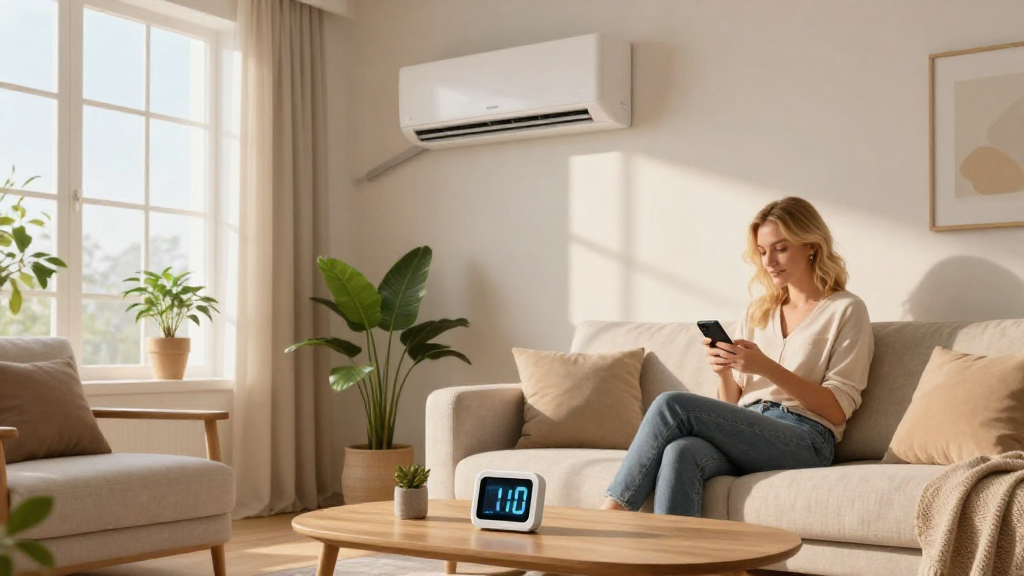
Setting timers for air conditioning can significantly enhance your comfort and energy efficiency at home.
In this article, we will explore the benefits of using air conditioning and timers, the various settings you can use, and the steps to effectively set timers for your AC unit.
What Are the Benefits of Air Conditioning and Timers?
Using timers for your air conditioning system can provide several advantages:
-
Energy Efficiency:
– Timers help to regulate the operation of your AC.
– By cooling your home only when you’re there, you can lower your energy bills. -
Convenience:
– You can program your AC to start cooling your home before you arrive.
– This means you’ll always come home to a comfortable environment. -
Improved Lifespan of Your Unit:
– Regularly optimizing your AC usage can reduce wear and tear.
– Timers help to ease the burden on your air conditioner. -
Customization:
– Timers allow you to tailor cooling schedules to your routine.
– Different settings can be programmed for weekdays and weekends. -
Environmental Impact:
– Reducing energy consumption can have a positive effect on the environment.
– Smart usage of air conditioning helps reduce carbon footprints.
By understanding how to set timers for air conditioning, you can reimagine your cooling habits and enjoy the benefits mentioned above.
How Can You Set Timers for Air Conditioning?
Setting timers for air conditioning can vary slightly depending on the type of unit you own, whether it’s a central air system or a window unit. Here are general steps for both:
For Central Air Conditioning Units
-
Check Your Thermostat:
– Ensure that your thermostat is programmable.
– If it is not, consider upgrading to a smart thermostat. -
Access the Settings Menu:
– Locate the ‘Program’ or ‘Timer’ option on your thermostat.
– You may have options for daily, weekday, and weekend settings. -
Set Up Your Schedule:
– Choose the time you want your cooling to begin and end.
– For example, set it to cool down starting 30 minutes before you arrive home. -
Save Your Settings:
– Ensure you save or confirm your settings.
– Test it to ensure it operates according to your schedule. -
Adjust as Necessary:
– You might need to tweak the settings after a week based on comfort needs.
For Window Air Conditioning Units
-
Locate the Digital Control Panel:
– Find the timer or schedule option on your unit.
– Not all window units will have this feature. -
Check the Manual:
– Refer to the unit’s user manual for specific timer instructions.
– Some models may only offer basic timer functions. -
Set Your Timer:
– If your unit has an option, set the cooling to start and stop at the desired times.
– This may typically range from 1 hour to 24 hours. -
Use External Timers (if necessary):
– If your window unit lacks built-in timers, consider using an external plug timer.
– These can be set as per your needs to control power to the AC.
Are There Smart Options for Air Conditioning and Timers?
Absolutely! Many modern air conditioning units come with smart technology, which allows for advanced timer settings. Here’s how you can make the most of smart air conditioning solutions:
-
Smart Thermostats:
– Devices like Nest and Ecobee allow you to set timers remotely via smartphone apps.
– You can easily adjust your cooling schedule, even on the go. -
Integration with Smart Home Systems:
– Sync your AC with other smart home devices like Amazon Alexa or Google Assistant.
– Set voice commands for more seamless operation. -
Energy Usage Reports:
– Many smart systems provide insights into when and how much energy you consume.
– This can help you adjust your timers for maximum efficiency. -
Geofencing Capabilities:
– Some smart AC systems can detect when you’re nearby and automatically adjust the temperature.
– This ensures energy is not wasted when no one is home.
Utilizing air conditioning and timers with smart technology not only enhances comfort but also contributes to better energy savings.
What Are Common Mistakes to Avoid When Setting Timers for Air Conditioning?
When programming timers for your air conditioning, there are common pitfalls to avoid:
-
Setting Inconsistent Times:
– Be consistent with the times you program for weekdays and weekends.
– Adjusting settings daily may lead to forgetfulness and energy waste. -
Ignoring Season Changes:
– Review and adjust your schedule according to the changing seasons.
– What feels comfortable in summer may not in early fall. -
Over-Cooling:
– It’s tempting to set the timer to cool your home quickly, but aim for a balance.
– An excessively low temperature can increase energy consumption. -
Neglecting Maintenance:
– Timed use doesn’t replace the need for regular unit maintenance.
– Ensure filters are cleaned regularly to maintain efficiency. -
Failure to Test Settings:
– After setting your timers, test the system for a few days.
– Make adjustments based on temperature and comfort levels.
Conclusion: Embrace Air Conditioning and Timers for Efficiency
Setting timers for air conditioning is a modern solution for energy efficiency and comfort.
By understanding the benefits, how to properly set your unit, and utilizing smart technology, you can maximize your air conditioning experience.
With air conditioning and timers, you will not only enjoy a more comfortable home but will also contribute to lower energy consumption and operational costs over time.
Take the time to set your timers today, and reap the advantages for years to come!