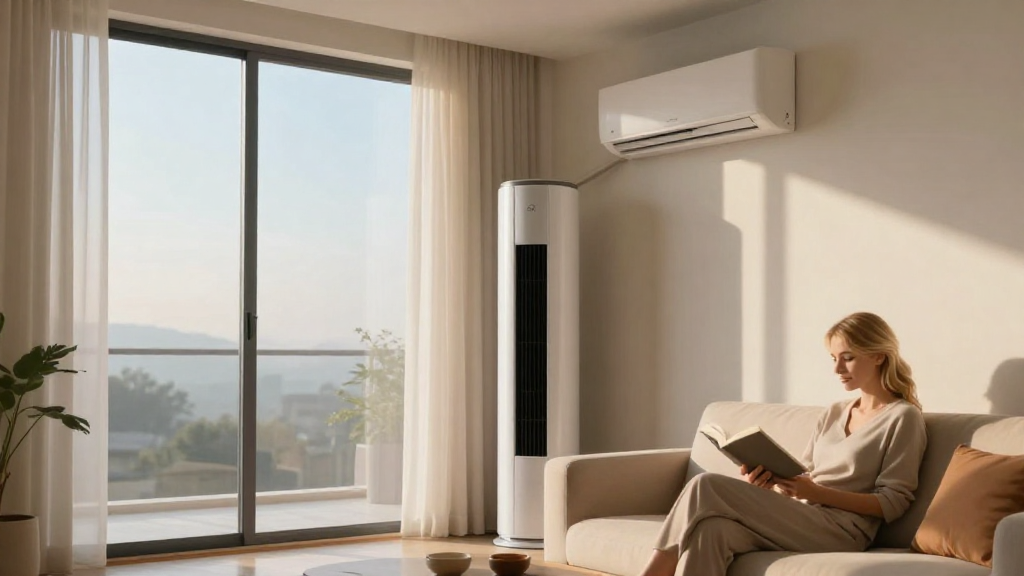
When wildfires rage, the smoke can severely impact air quality, making it essential to know how to use air conditioning during wildfire smoke effectively.
What is the Impact of Wildfire Smoke on Indoor Air Quality?
Wildfire smoke contains a mix of hazardous particles and gases that can infiltrate homes.
Increased levels of fine particulate matter (PM2.5) pose significant health risks, particularly for vulnerable groups such as children, the elderly, and individuals with pre-existing respiratory conditions.
Here are some effects of wildfire smoke on indoor air quality:
- Increased respiratory issues like asthma and bronchitis
- Eye irritation
- Decreased lung function
- Possible long-term health effects
Considering these factors, using air conditioning during wildfire smoke can help mitigate exposure and maintain a healthier indoor environment.
How Can You Effectively Use Air Conditioning During Wildfire Smoke?
Using air conditioning during wildfire smoke can be quite effective to keep your indoor air clean if done correctly. Here are some recommended steps:
1. Keep Windows and Doors Closed
First and foremost, ensure that all windows and doors are closed.
This prevents outside smoke from seeping indoors.
In addition, check for any gaps or leaks around doors and windows to minimize airflow.
2. Set Your AC to Recirculate
Most air conditioning units have a recirculating feature that helps filter the air inside your home.
Using this setting allows your AC system to circulate the air within your home rather than pulling in outdoor air.
3. Use High-Efficiency Filters
Incorporate high-efficiency particulate air (HEPA) filters into your air conditioning system.
These filters can trap small particles, including those found in wildfire smoke.
Check if your existing system is compatible, or consider investing in portable air purifiers with HEPA filters, especially in crucial living areas.
4. Monitor Indoor Air Quality
Keep track of your indoor air quality by employing an indoor air quality monitor.
These devices can inform you about the levels of PM2.5 and other harmful pollutants, enabling you to take action if the air quality deteriorates.
5. Maintain Your AC System
Regular maintenance of your air conditioning system is crucial, especially during times of heavy smoke.
Consider these maintenance tips:
- Clean or replace filters regularly: Change filters every 1-3 months, especially during wildfire season.
- Schedule professional servicing: An HVAC professional can ensure your system is operating efficiently.
- Check ductwork for leaks: Seal any duct leaks that may cause unfiltered air to enter your living space.
6. Consider Using Air Purifiers
In addition to using air conditioning during wildfire smoke, consider adding air purifiers to your home.
Choose models equipped with HEPA filters to effectively remove particulate matter from the air.
This added layer of protection can enhance your indoor air quality and further reduce the health risks associated with wildfire smoke.
When Should You Use Air Conditioning During Wildfire Smoke?
It’s crucial to know when to use air conditioning during wildfire smoke.
Stay Informed About Smoke Conditions
Keep track of local air quality reports via:
- Government websites: Many agencies, like the Environmental Protection Agency (EPA), provide real-time data on air quality.
- Weather apps: Popular weather applications often feature air quality indicators.
- Emergency alerts: Follow local news and alerts regarding wildfire activity in your area.
Assess Your Indoor Air Quality
On days when outdoor smoke levels rise, rely on your air quality monitor to gauge the situation.
If your indoor air quality worsens, it’s a clear sign to activate your air conditioning.
Follow Health Recommendations
Consult with health professionals if you have underlying conditions or if members of your household experience symptoms related to smoke exposure:
- Headaches
- Shortness of breath
- Coughing
- Chest pain
If symptoms arise, using air conditioning during wildfire smoke becomes imperative.
What Alternatives Are Available If You Don’t Have Air Conditioning?
If you’re in a situation where using air conditioning during wildfire smoke isn’t feasible, consider these alternatives:
Portable Air Purifiers
As mentioned, having portable air purifiers can be a lifesaver.
Look for:
- Units with HEPA filters
- Quiet operation for nighttime use
- Capacity suited for your room size
Fans with Filters
If you don’t have an AC, but you have fans, you can build a homemade air filter using a box fan and a MERV-rated filter.
Instructions:
- Attach the filter to the back of the fan.
- Ensure a snug fit to avoid air bypassing the filter.
- Run the fan to help filter air in the room.
Seal Off Areas of Your Home
If smoke is a concern, create a designated smoke-free area by sealing off parts of your home.
- Use weather stripping on doors and windows.
- Hang damp towels or sheets to block incoming smoke.
Stay Indoors as Much as Possible
Avoid activities outdoors that could expose you to more smoke and pollutants.
Designate certain times to check your property but limit the exposure to airborne contaminants.
Conclusion: The Importance of Air Conditioning During Wildfire Smoke
Understanding how to use air conditioning during wildfire smoke is vital for maintaining your health and safety during fire events.
The combination of actions—from keeping doors and windows closed to using HEPA filters—can significantly improve your indoor air quality.
Be proactive, stay informed, and prioritize your health by following best practices during wildfire smoke.
By taking these steps, you can protect yourself and your loved ones during this challenging time.
Stay safe, and may your indoor air remain clean and fresh, even when wildfires loom outside!