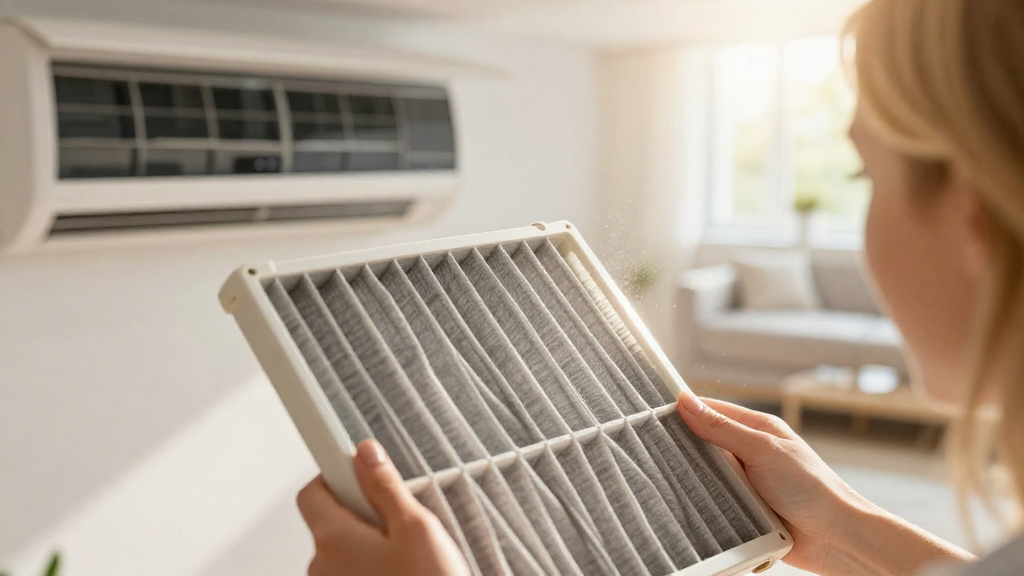
Are you searching for the right air conditioning filter to alleviate allergy symptoms in your home?
With the vast array of filters available on the market, it can be overwhelming to select the best one for your specific needs. In this guide, we’ll explore how to choose the best filters for allergies in air conditioning, taking into account several key factors that will help improve your indoor air quality.
What Types of Air Conditioning Filters Are Available?
Understanding the various types of air conditioning filters is crucial for combating allergies effectively. Here are the most common types:
-
Fiberglass Filters
– These are the most basic and affordable options.
– While they can capture large particles like dust, they are less effective against small allergens. -
Pleated Filters
– Made from polyester or cotton, they have a larger surface area.
– These filters can trap smaller particles, making them more effective for allergies. -
HEPA Filters
– High-Efficiency Particulate Air (HEPA) filters are among the best for allergy sufferers.
– They can capture 99.97% of particles down to 0.3 microns, including pollen, pet dander, and dust mites. -
Electrostatic Filters
– These filters use static electricity to attract airborne particles.
– They are reusable and can be very effective, but may require more maintenance. -
UV Filters
– These filters use ultraviolet light to kill bacteria and mold.
– While they don’t directly filter allergens, they can help keep indoor air healthier.
To address air conditioning filter allergies, consider filters with higher efficiency ratings.
How Do MERV Ratings Affect Allergies?
When selecting an air conditioning filter, it’s essential to consider the MERV rating (Minimum Efficiency Reporting Value).
- What is a MERV Rating?
- MERV ratings range from 1 to 16, with higher numbers indicating more efficient filters.
-
A higher rating means the filter can capture smaller particles, which is particularly beneficial for allergy sufferers.
-
What MERV Rating Should You Choose for Allergies?
- For those with allergies, a MERV rating of 10 or higher is recommended.
- MERV 11 and MERV 13 are excellent choices for effectively capturing common allergens.
Choosing the right air conditioning filter with an appropriate MERV rating can significantly reduce air conditioning filter allergies in your home.
How Often Should You Replace Your Filters?
The effectiveness of your air conditioning filter diminishes over time. Here are tips on how often you should change them:
- Fiberglass Filters
-
Change every 30 days.
-
Pleated Filters
-
Change every 90 days, but check monthly for dirt accumulation.
-
HEPA Filters
-
Typically last up to 6 months but check your specific model.
-
Electrostatic Filters
-
Clean and wash every month, lasting up to 5 years if maintained well.
-
UV Filters
- Depending on the bulb life, you may need to change them every 12-24 months.
Regularly changing your air conditioning filters will help maintain peak performance and reduce allergens in the air.
What Additional Features Should You Look For?
When selecting an air conditioning filter to combat allergies, consider the following features:
- Activated Carbon Layer
-
This feature helps remove odors and certain chemicals, improving overall air quality.
-
Antimicrobial Coating
-
Filters with this coating can inhibit the growth of mold and bacteria.
-
Washable Filters
-
While these require regular cleaning, they are environmentally friendly and cost-effective.
-
Smart Features
- Some high-tech filters come with monitoring systems that notify you when it’s time for a replacement.
Choosing filters with these additional features can enhance your air conditioning filter allergies solution.
How Can Air Purifiers Work in Conjunction with Filters?
While a good air conditioning filter is essential, an air purifier can enhance your indoor air quality considerably. Here’s how:
- Target Specific Areas
-
Air purifiers are effective in removing allergens from specific rooms, complementing your HVAC system.
-
Utilize HEPA Technology
-
Many air purifiers also use HEPA technology, capturing particles that standard HVAC filters might miss.
-
Add Extra Protection
- They can further reduce garden pollen, smoke, pet dander, and more, especially during peak allergy seasons.
Incorporating air purifiers can further reduce the effects of air conditioning filter allergies, ensuring cleaner, healthier air.
Can You Improve Indoor Air Quality Beyond Filtering?
Improving indoor air quality involves more than just filtering allergens. Here are some additional tips to consider:
- Regular Cleaning
-
Dust surfaces, vacuum carpets, and wash curtains and bedding frequently to reduce allergens.
-
Control Humidity Levels
-
Use a dehumidifier to maintain indoor humidity between 30-50%. This minimizes dust mites and mold growth.
-
Open Windows
-
When pollen counts are low, allow fresh air to circulate through your home by opening windows.
-
Groom Pets Regularly
- Regularly bathing and grooming pets can help reduce dander and allergens in the home.
By implementing these practices, in addition to choosing the best air conditioning filters for allergies, you create a healthier indoor environment.
Conclusion: What’s the Best Strategy for Choosing Filters for Allergies in Air Conditioning?
Choosing the right air conditioning filter for allergies requires understanding various filter types, MERV ratings, and additional features.
Keep these key points in mind:
- Opt for filters with a MERV rating of 10 or higher.
- Consider filters that trap smaller particles, like HEPA and pleated filters.
- Replace filters regularly, based on their type, to maintain air quality.
- Use air purifiers in combination with your air conditioning filter to enhance air cleanliness.
By following these strategies, you can minimize the impact of air conditioning filter allergies and create a cleaner, more comfortable living space.