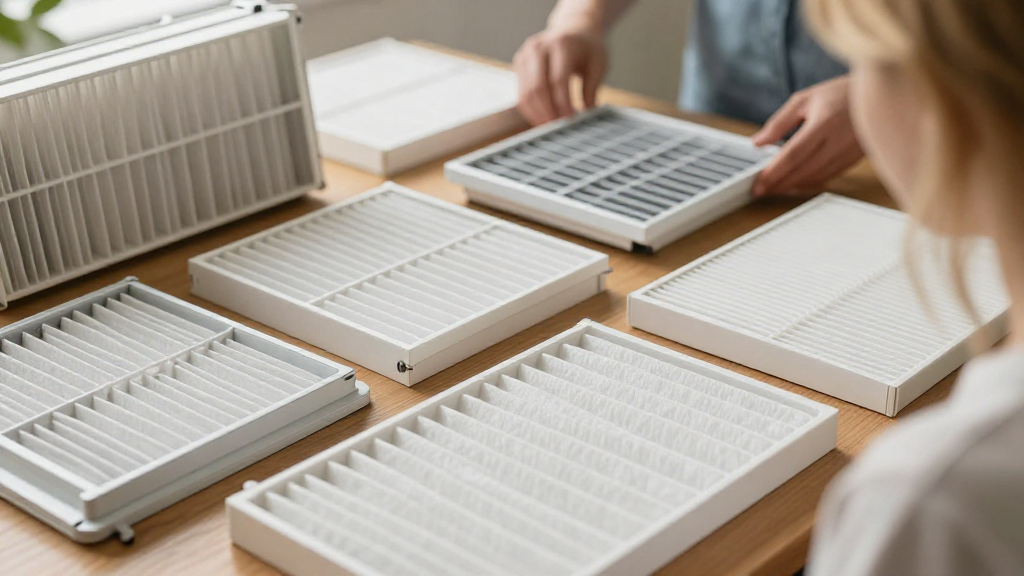
Understanding air conditioning filter types explained is vital for maintaining indoor air quality and ensuring the efficiency of your AC unit.
In this guide, we’ll break down the different types of air conditioning filters available, helping you choose the right one for your needs.
What Are Air Conditioning Filter Types?
Air conditioning filters play a crucial role in your HVAC system. They help to capture dust, allergens, and other particles, promoting cleaner air circulation within your home.
By understanding the various air conditioning filter types explained, you can make informed decisions about which filter best suits your environment.
Why Is It Important to Choose the Right Filter?
Choosing the correct air conditioning filter type can have several benefits:
- Improved Air Quality: Filters remove pollutants and allergens, improving air quality in your home.
- Energy Efficiency: A good filter can enhance your AC units’ efficiency, leading to lower energy bills.
- Extended Equipment Lifespan: High-quality filters can help prevent damage to your HVAC system, prolonging its lifespan.
- Reduced Maintenance Costs: Regularly changing your filter prevents costly breakdowns and repairs.
What Are the Main Types of Air Conditioning Filters?
There are several air conditioning filter types explained, each with specific features and advantages. Here are the main types you should be aware of:
-
Fiberglass Filters
– Description: These are the most basic type of air filter. Made from layered fiberglass, they are designed to trap larger particles.
– Pros:- Inexpensive
- Lightweight
- Cons:
- Not very effective against small particles
- Need frequent replacement
-
Pleated Filters
– Description: Made from polyester or cotton fibers, pleated filters have more surface area to catch dust and allergens.
– Pros:- Better efficiency than fiberglass
- Longer lifespan
- Cons:
- More expensive than fiberglass filters
- Higher resistance can stress the HVAC system if not properly rated
-
Electrostatic Filters
– Description: These filters use static electricity to attract particles, making them more effective at capturing dust and allergens.
– Pros:- Washable and reusable
- Very efficient at filtering small particles
- Cons:
- Initial cost can be higher
- Regular maintenance is necessary to maintain performance
-
HEPA Filters
– Description: High-Efficiency Particulate Air (HEPA) filters are designed to capture 99.97% of particles that are 0.3 microns or larger.
– Pros:- Superior filtration effectiveness
- Ideal for allergy sufferers
- Cons:
- Usually pricier
- May require a system that can handle higher resistance
-
Carbon Filters
– Description: These filters contain activated carbon, which absorbs odors and gases, as well as particulates.
– Pros:- Excellent for eliminating odors
- Can improve indoor air quality
- Cons:
- Not as effective for dust and allergens alone
- Need replacement once saturated
How Do I Choose the Right Air Conditioning Filter?
Choosing among the various air conditioning filter types explained involves several considerations:
-
Type of Contaminants:
– Identify what contaminants are most prevalent in your area (pollen, smoke, pet dander, etc.). -
Allergies and Health Conditions:
– Consider your family’s health. HEPA filters are ideal for allergy sufferers. -
AC Unit Compatibility:
– Ensure the filter fits properly in your HVAC system. Check the dimensions and types recommended by the manufacturer. -
Budget:
– Weigh the initial cost against the longevity and efficiency of the filter. -
Maintenance:
– Determine how often you can maintain or replace the filter. Some filters require more frequent changes than others.
What Maintenance Do Different Air Conditioning Filters Require?
Routine Maintenance:
Regardless of air conditioning filter types explained, regular maintenance is crucial for optimal performance:
- Check Filters Monthly:
-
Inspect filters frequently to ensure they are clean.
-
Replace / Clean:
-
Depending on the type, replace or clean the filters every 1 to 3 months.
-
Observe Airflow:
- If you notice reduced airflow, it may indicate a clogged filter that needs immediate attention.
How Often Should I Change My Filter?
While it varies based on the type, here’s a general guideline for when to change different air conditioning filter types explained:
- Fiberglass Filters: Every 30 days
- Pleated Filters: Every 3 months
- Electrostatic Filters: Every 3-6 months, depending on usage
- HEPA Filters: Every 6-12 months
- Carbon Filters: Every 3-6 months, or once odors return
What Are the Signs That My Filter Needs Changing?
Pay attention to these signs indicating it’s time to change your air conditioning filter:
-
Increased Energy Bills: If your bills are rising significantly, it may be due to a clogged filter reducing your system’s efficiency.
-
Poor Airflow: Reduced airflow from your vents can indicate your filter is full and needs changing.
-
Dust Build-Up: Excessive dust around vents or in your home might mean your filter is failing to capture pollutants.
-
Allergy Symptoms: If you or your family members are experiencing allergy symptoms without any environmental changes, it might suggest the filter isn’t adequately filtering allergens.
Conclusion: Making the Right Choice
Understanding the various air conditioning filter types explained can empower you to select the best option for your home.
Choosing the right filter not only fosters a healthier living environment but also ensures your air conditioning system runs efficiently.
Remember:
- Evaluate your needs: Consider your health requirements, home environment, and budget before deciding.
- Conduct regular maintenance: Regularly check and replace your filters according to the guidelines.
- Stay informed: Knowledge of filter types can greatly enhance your air quality management strategy.
Embrace clean air in your space by selecting the right air conditioning filter!
Feel free to modify this article as needed for your specific audience or platform!