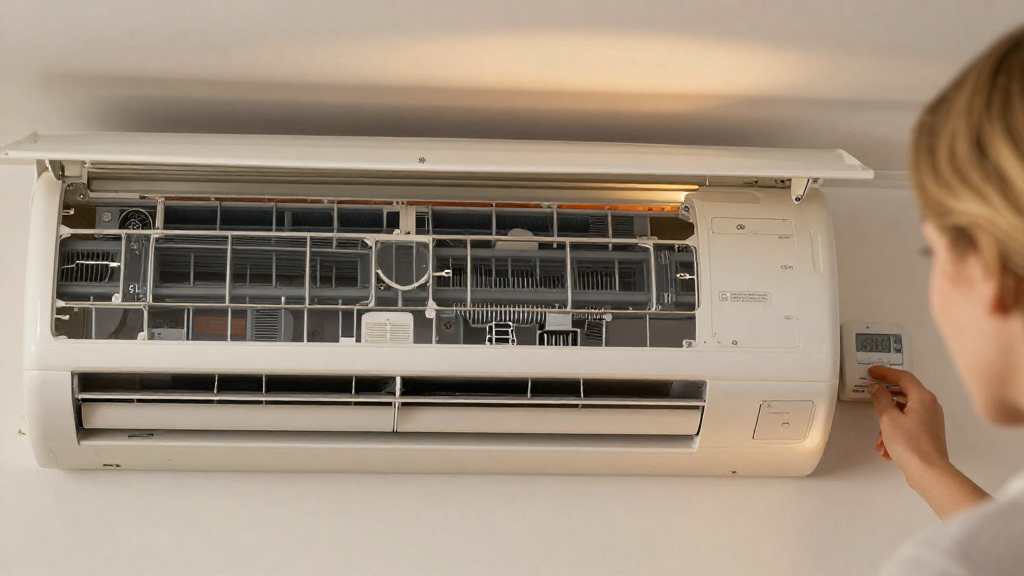
Understanding air conditioning heat exchange is crucial for anyone looking to grasp how air conditioning systems work efficiently.
When you know this fundamental concept, you can maintain your AC system better and possibly save on energy costs.
What is Air Conditioning Heat Exchange?
Air conditioning heat exchange refers to the process by which heat is removed from one area and transferred to another, allowing for temperature regulation.
This process occurs within the heat exchanger component of the air conditioning system.
The primary goal of air conditioning heat exchange is to create a cool indoor environment while expelling unwanted heat outdoors.
It involves two key components: the evaporator and the condenser.
Let’s take a closer look at these components to get a better understanding.
How Does the Evaporator Work in Heat Exchange?
The evaporator is responsible for absorbing heat from the indoor air.
Here’s how it works:
- Refrigerant: The cycle begins with the refrigerant, a special fluid that absorbs heat.
- Heat Absorption: The refrigerant enters the evaporator coil in a low-pressure state.
- Heat Exchange: As warm indoor air passes over the evaporator coil, the refrigerant absorbs heat, causing it to evaporate into gas.
- Cool Air Flow: The cooled air is then circulated back into the living space, reducing the indoor temperature.
This process is crucial in the air conditioning heat exchange cycle as it sets the stage for effective cooling.
How Does the Condenser Function in Heat Exchange?
Once the refrigerant has absorbed heat from the indoor air via the evaporator, it moves to the condenser.
The condenser plays the opposite role by expelling heat. Here’s how it works:
- Refrigerant Change: The refrigerant gas from the evaporator reaches the condenser in a high-pressure state.
- Heat Release: As warm air blows over the condenser coil, the refrigerant releases the absorbed heat, reverting to a liquid state.
- Cycle Continuation: The now-cool refrigerant flows back into the evaporator, where the cycle repeats.
This exchange of heat is essential for maintaining the overall efficiency of the air conditioning heat exchange process.
Why is Understanding Air Conditioning Heat Exchange Important?
Understanding the air conditioning heat exchange process is vital for several reasons:
- Energy Efficiency: A well-functioning system reduces energy costs.
- Comfort: Efficient heat exchange leads to consistent, comfortable indoor temperatures.
- System Longevity: Regular maintenance based on this understanding can prolong the life of your system.
- Troubleshooting: Knowledgeable homeowners can identify potential issues before they escalate.
What Are Common Issues Affecting Air Conditioning Heat Exchange?
Being aware of common issues can help you identify problems early on. Here are some frequent culprits affecting air conditioning heat exchange:
- Dirty Coils: Dust and debris can block heat exchange, reducing system efficiency.
- Refrigerant Leaks: Low refrigerant levels can hinder the heat exchange process, leading to poor cooling performance.
- Blocked Airflow: Poor airflow from dirty filters or blocked ducts can limit the effectiveness of heat exchange.
- Mechanical Failures: Broken fans or compressors can interrupt the heat exchange cycle.
Regular maintenance, including cleaning and inspections, will help mitigate these issues, ensuring continuous air conditioning heat exchange proficiency.
How Can You Maintain Your Air Conditioning System for Optimal Heat Exchange?
Proper maintenance is essential to ensure your air conditioning heat exchange system operates efficiently. Here are some maintenance tips:
- Clean or Replace Filters: Check and clean or replace air filters at least once a month, especially during peak usage.
- Clean Coils: Clean the evaporator and condenser coils annually to remove dirt and debris.
- Check Refrigerant Levels: Make sure to consult a licensed professional to check and refill refrigerant levels if needed.
- Inspect Ducts: Regularly inspect ducts for leaks or obstructions that can impede airflow.
- Schedule Professional Maintenance: At least once a year, a qualified technician should service your AC system for comprehensive checks.
What Factors Affect Air Conditioning Heat Exchange Efficiency?
Several factors can influence the efficiency of air conditioning heat exchange. Understanding these will help optimize your system’s performance:
- Outdoor Temperature: High outdoor temperatures can make it more difficult for the condenser to release heat.
- Insulation: Proper insulation in the home reduces the workload on the air conditioning system by minimizing heat gain.
- System Size: An incorrectly sized unit can lead to inefficient heat exchange, causing short cycling or underperformance.
- Humidity Levels: High humidity can affect heat exchange efficiency by adding moisture to the indoor air.
By being aware of these factors, you can make informed decisions regarding upgrades or adjustments to improve your air conditioning system.
How Does Technology Impact Air Conditioning Heat Exchange?
Innovative technologies have significantly enhanced the efficiency of air conditioning heat exchange systems. Here are some key advancements:
- Smart Thermostats: These devices can optimize cooling schedules, improving energy efficiency and comfort levels.
- Variable Speed Compressors: These adjust the cooling output based on current needs, allowing for more effective heat exchange.
- Zoning Systems: These systems evenly distribute air throughout the home, ensuring each space receives adequate cooling.
- High-Efficiency Units: Energy-efficient air conditioning units are designed for superior heat exchange, delivering better performance while consuming less energy.
By investing in modern technologies, you can enhance the air conditioning heat exchange, boosting your system’s overall performance and longevity.
Conclusion: Why Understanding Air Conditioning Heat Exchange is Essential
In summary, understanding air conditioning heat exchange is a vital part of ensuring that your system operates at peak efficiency.
From knowing how the evaporator and condenser function to maintaining your system and being aware of efficiency factors, you’re now equipped to optimize performance.
Remember to keep up with regular maintenance and consider modern technologies to improve your air conditioning heat exchange process.
Taking a proactive approach will lead to a comfortable home environment and potential energy savings.
By understanding these principles surrounding air conditioning heat exchange, you take significant steps toward enhancing your comfort and reducing energy costs.
Educate yourself, maintain your system, and enjoy the benefits of a well-functioning air conditioning unit.