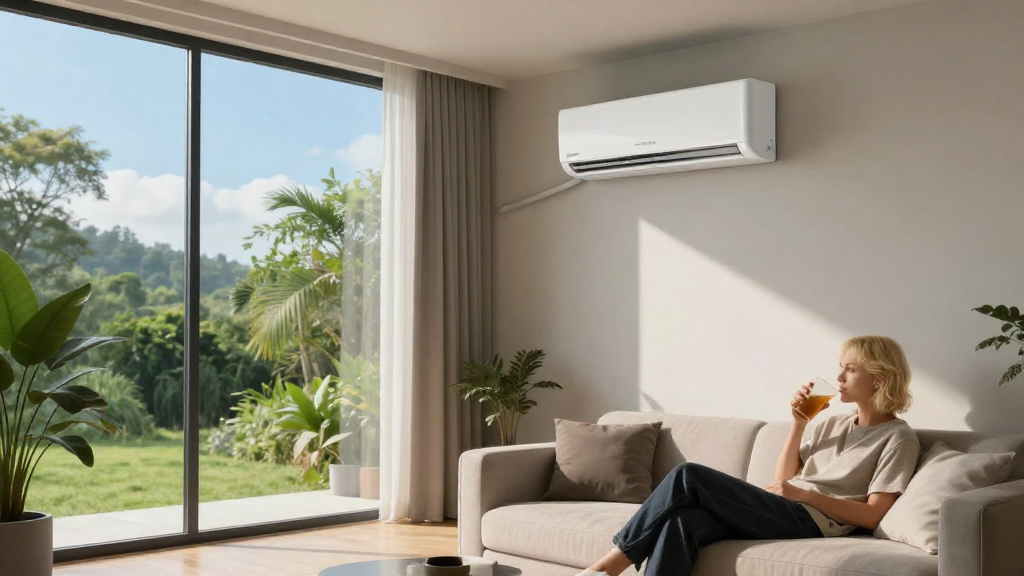
When living in high humidity regions, managing air conditioning in high humidity areas becomes crucial for comfort and well-being.
Why Is Air Conditioning Essential in High Humidity Areas?
Air conditioning serves more than just cooling your home. It plays a vital role in dehumidification, which is especially important in regions with elevated humidity levels.
What Happens When Humidity Levels Rise?
-
Increased Comfort Issues: High humidity makes the air feel warmer than it actually is, leading to discomfort.
-
Health Risks: It can promote mold growth, causing allergies and respiratory issues.
-
Energy Efficiency: High humidity forces air conditioning units to work harder, leading to increased energy consumption.
How Does High Humidity Affect Air Conditioners?
Understanding how humidity affects air conditioning systems can help you improve efficiency and comfort.
Why Does Humidity Matter for Air Conditioning?
-
Cooling Efficiency: Air conditioners cool air through the evaporation of refrigerants. High humidity can impede this process because the additional moisture in the air makes it more challenging to cool effectively.
-
Unit Strain: Constantly battling high humidity can lead to excessive strain on your AC unit, shortening its lifespan and increasing repair needs.
What Are the Best Practices for Running Air Conditioning in High Humidity Areas?
-
Seek a High SEER Rating: Choose air conditioning units with a SEER (Seasonal Energy Efficiency Ratio) of 16 or higher for enhanced moisture removal while maintaining energy efficiency.
-
Consider Dehumidifiers: Use separate dehumidifiers in conjunction with your air conditioning unit to help reduce moisture levels.
-
Maintain Proper Airflow: Ensure that air vents and filters are clean and unobstructed to maximize airflow and efficiency.
-
Set the Thermostat Strategically: Set your thermostat to a comfortable yet not excessively low temperature, usually around 75-78°F (24-26°C). Avoid setting the AC too low to prevent moisture saturation.
-
Close Windows and Doors: Prevent humidity from entering by keeping windows and doors closed while the AC is running.
-
Install Insulation: Proper insulation helps to minimize humidity infiltration, maintaining cooler and drier indoor conditions.
-
Utilize Fans: Ceiling and portable fans can help circulate cooled air effectively, allowing your AC to work more efficiently.
What Are Common Mistakes to Avoid?
Understanding what not to do is just as essential as knowing the best practices.
What Mistakes Should Be Avoided When Using Air Conditioning in High Humidity Areas?
-
Ignoring Regular Maintenance: Failing to have your AC system serviced can lead to inefficiency and unnecessary wear.
-
Setting the Thermostat Too Low: While setting your thermostat lower may seem logical, it can create excessive humidity in the system, leading to freezing and poor performance.
-
Neglecting Air Filters: Dirty or clogged air filters drastically reduce efficiency. Change or clean them at least once every 1-3 months.
-
Overusing the System: Running your air conditioner constantly can lead to wear and tear. Instead, use it efficiently and take breaks when possible by relying on fans or natural ventilation.
-
Leaving the AC unit on for extended periods when away: If you are away for extended periods, consider setting the AC to a higher temperature rather than leaving it running.
How Can You Improve Energy Efficiency in High Humidity Regions?
Improving energy efficiency in air conditioning in high humidity areas not only saves money but also extends the life of your unit.
What Steps Can You Take?
-
Use Programmable Thermostats: Invest in smart or programmable thermostats to maintain optimal cooling cycles and reduce energy consumption.
-
Optimize Landscaping: Plant trees or shrubs to provide natural shade, helping to reduce the load on your air conditioning unit.
-
Consider Window Treatments: Use blinds, shades, or reflective window films to reduce heat gain from sunlight.
-
Upgrade Your System: If your unit is older than 10-15 years, consider upgrading to a newer model for better energy efficiency.
-
Seal Ducts: Ensure that air ducts are properly sealed and insulated to prevent loss of cooled air in high humidity areas.
What Are Some Additional Tips for Comfort?
Beyond technical adjustments, there are practical lifestyle changes you can make.
How Can You Enhance Comfort Levels?
-
Stay Hydrated: Drink plenty of water to help your body cope with the heat and humidity.
-
Use Natural Ventilation When Possible: During cooler parts of the day, open windows for movement of fresh air instead of relying solely on AC.
-
Dress Appropriately: Wear lightweight and breathable fabrics to help you stay cool.
-
Limit Cooking and Heat-Generating Activities: Try to cook outdoors or limit the use of heat-producing appliances during peak humidity.
-
Engage in Activities to Cool Down: Take cold showers or use cold packs to help your body cool off quickly.
Conclusion: Managing Air Conditioning in High Humidity Areas
Successfully managing air conditioning in high humidity areas is essential for comfort, health, and energy efficiency.
By understanding how humidity affects your air conditioning system and implementing best practices, you can create a comfortable indoor environment all year round.
With proper maintenance, strategic setup, and lifestyle adjustments, you can effectively manage air conditioning in high humidity areas, ensuring that you stay cool and comfortable amidst the heat and humidity.