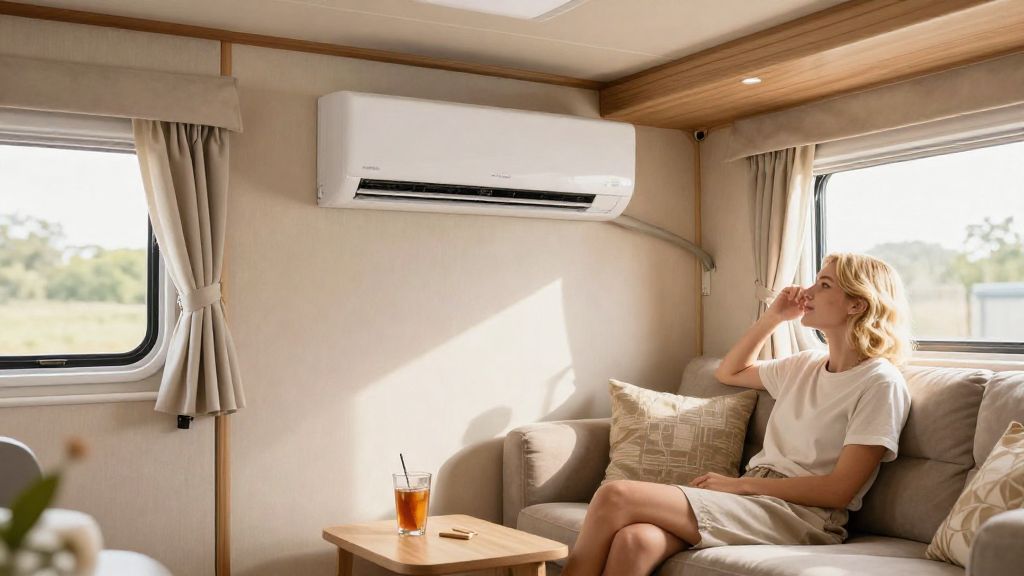
Air conditioning in mobile homes is essential for maintaining a comfortable living environment, especially during hot summer months.
Why Do You Need Air Conditioning in Mobile Homes?
Many mobile homes are not built with central air conditioning systems, which can lead to discomfort when temperatures soar.
As a mobile homeowner, investing in effective air conditioning solutions is crucial to ensure a pleasant atmosphere.
Here are a few reasons why air conditioning in mobile homes is important:
- Health: High temperatures can lead to heat-related illnesses.
- Comfort: Well-regulated temperatures enhance your overall living experience.
- Humidity Control: Proper air conditioning helps manage humidity, preventing mold growth.
What Type of Air Conditioning System Is Best for Your Mobile Home?
When it comes to air conditioning in mobile homes, various options are available, and choosing the right one depends on your specific needs and budget.
Most Common Air Conditioning Systems for Mobile Homes:
-
Window Units
– Cost-effective and ideal for small spaces.
– Easy to install and remove. -
Portable Air Conditioners
– Versatile and can be moved from room to room.
– Requires minimal installation. -
Mini-Split Systems
– Energy-efficient and provides both cooling and heating.
– Requires more installation but effectively cools larger spaces. -
Central Air Conditioning
– Provides a whole-home solution ideal for larger mobile homes.
– More expensive and requires ductwork installation.
How to Install Air Conditioning in Mobile Homes?
Proper installation is crucial for the efficiency of your chosen air conditioning system.
Here’s a step-by-step guide for various systems:
For Window Units:
-
Measure your window: Ensure the unit fits snugly.
-
Read the instructions: Each unit has specific installation steps.
-
Secure the unit: Use brackets to ensure it’s stable.
-
Seal gaps: Prevent air leaks with weatherstripping.
For Portable Air Conditioners:
-
Choose the right spot: Place it near a window for exhaust.
-
Attach ducting: Extend the venting hose outside the window.
-
Power it on: Ensure it’s plugged into an outlet.
For Mini-Split Systems:
-
Select the right location: Indoor and outdoor units need to be positioned properly.
-
Mount the indoor unit: Follow manufacturer guidelines for wall brackets.
-
Connect refrigerant lines: Ensure all connections are tight and leak-proof.
-
Install the outdoor unit: Ensure it’s on a level surface for optimal performance.
For Central Air Conditioning:
-
Assess your ductwork: Ensure it’s suitable for an air conditioning system.
-
Install an air handler: Typically located inside, connects to ducts.
-
Place the condenser unit outside: Make sure there’s adequate airflow around it.
-
Connect everything: Follow meticulous electrical and refrigerant guidelines.
How to Maintain Your Air Conditioning System in Mobile Homes?
Air conditioning maintenance is crucial to prolong its life and efficiency.
Here are some tips to keep your system running smoothly:
- Regularly clean or replace filters: Clogged filters reduce efficiency.
- Inspect ductwork for leaks: Ensures optimal airflow.
- Schedule annual maintenance checks: A professional can spot potential issues.
- Clean the coils: Remove dust and debris from both indoor and outdoor units.
- Check the drain line: Ensure it’s clear to avoid water damage.
How Can You Improve Air Circulation in a Mobile Home?
Improving air circulation enhances the effectiveness of your air conditioning in mobile homes.
Tips for Better Airflow:
- Use ceiling fans: Pair them with your AC for improved cooling.
- Keep vents clear: Ensure furniture isn’t blocking airflow.
- Install exhaust fans: Improve air quality in kitchens and bathrooms.
- Close doors to unused rooms: Conserve cooling power in living spaces.
What Are the Energy Efficiency Tips for Air Conditioning in Mobile Homes?
Efficient airflow and managing your thermostat can significantly reduce energy bills.
Energy-saving Tips Include:
-
Set the thermostat wisely: A setting of 78°F is generally ideal.
-
Use timers: Program your system to run only when needed.
-
Install a programmable thermostat: Automate schedules for different times/days.
-
Seal windows and doors: Prevent cool air leaks with weather stripping.
-
Consider energy-efficient models: Look for ENERGY STAR-rated systems.
When Should You Replace Your Air Conditioning System?
Recognizing when your air conditioning system needs replacement can save you money.
Consider these signs:
- Age of the system: Most systems last 10-15 years.
- Rising energy bills: Increased costs could indicate inefficiency.
- Frequent repairs: If you repair often, it may be time for a new unit.
- Uneven cooling: Hot spots in your home may signal a failing system.
Conclusion
Utilizing efficient air conditioning in mobile homes is essential for comfort and health.
By selecting the right system, ensuring proper installation and maintenance, and making smart energy decisions, you can create a cool refuge from the summer heat.
Always remember, investing in a good air conditioning system not only keeps your home comfortable but also enhances your quality of life.
With the right measures, you can enjoy a cozy environment—no matter the outside temperature!