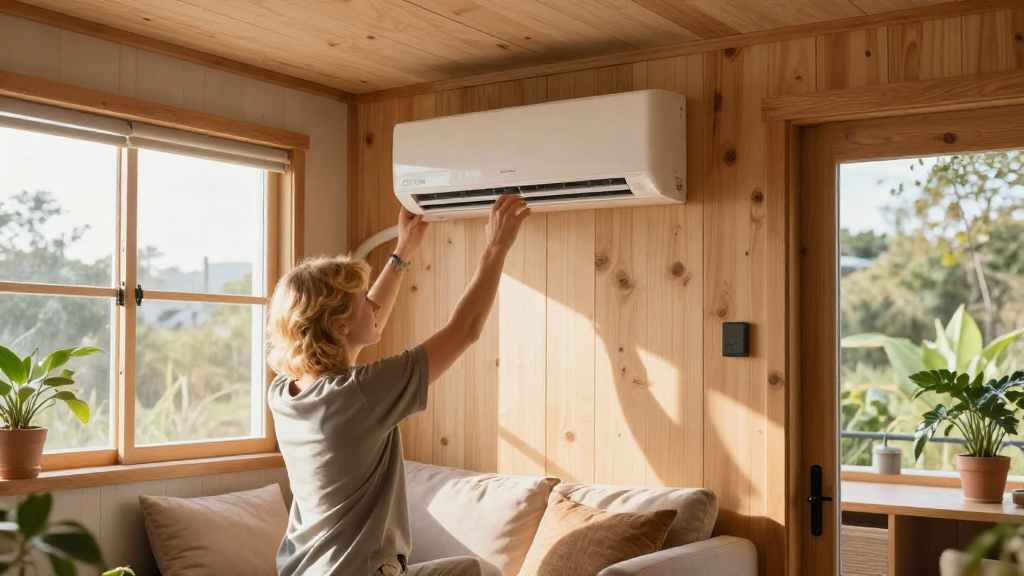
As more people swap their traditional houses for compact living spaces, understanding air conditioning in tiny homes becomes essential for comfort and efficiency.
Why Is Air Conditioning Important in a Tiny Home?
Air conditioning in tiny homes is vital for several reasons:
- Limited Space: With smaller square footage, tiny homes can heat up quickly, especially during hot weather.
- Energy Efficiency: Tiny homes often include energy-efficient appliances and systems, and an optimized air conditioning system can help maintain low energy usage.
- Indoor Air Quality: Smaller spaces can trap humidity and allergens, making effective air conditioning crucial for indoor air quality.
Incorporating a good air conditioning solution in your tiny home will not only help you stay cool but also improve the overall living experience.
What Types of Air Conditioning Systems Are Suitable for Tiny Homes?
When looking for air conditioning in tiny homes, you will discover several types of systems to choose from:
-
Window Air Conditioners:
- Easy to install.
- Generally cost-effective.
- Suitable for small windows.
-
Portable Air Conditioners:
- Offer flexibility as they can be moved from room to room.
- Usually have an exhaust hose that needs a window for venting.
-
Mini-Split Systems:
- Energy-efficient option.
- Offers both heating and cooling capabilities.
- Requires professional installation.
-
Ductless Air Conditioning:
- Quiet and unobtrusive.
- Ideal for homes without ductwork.
-
Evaporative Coolers (Swamp Coolers):
- Use water and evaporation to cool the air.
- Best suited for dry climates.
By assessing the layout and requirements of your tiny home, you can choose the best air conditioning system to meet your needs.
How Do You Plan the Air Conditioning Needs in a Tiny Home?
Planning for air conditioning in tiny homes involves several considerations:
- Size of the Space: Measure your square footage to determine the cooling capacity needed.
- Local Climate: Understand the temperature and humidity levels in your area. For instance, swamp coolers work best in dry climates.
- Insulation Quality: Ensure that your home is well-insulated to keep cool air in.
- Sunlight Exposure: Consider how much sun your tiny home gets; homes in shaded locations may need less cooling power.
Taking these factors into account will help you identify the ideal air conditioning system for your space.
How Can You Optimize Air Conditioning Efficiency in a Tiny Home?
Once you’ve selected the perfect air conditioning system, optimizing its efficiency is crucial. Here are some tips:
- Proper Placement: Make sure your unit is installed in a central location to distribute cool air evenly.
- Shade and Insulation: Use curtains, shades, or awnings to block sunlight from heating up your home.
- Ventilation: Ensure proper air circulation by keeping internal doors open and using ceiling fans.
- Regular Maintenance: Clean or replace filters regularly to maintain optimal airflow and efficiency.
By following these guidelines, you can ensure that your air conditioning system in a tiny home operates smoothly, keeping you comfortable without excessive energy consumption.
What Are the Benefits of Having Air Conditioning in a Tiny Home?
Air conditioning offers several benefits to residents of tiny homes:
- Comfort: Experience a cooler indoor climate during extreme temperatures.
- Better Sleep: With a comfortable temperature, you will likely enjoy more restful sleep.
- Health Benefits: Proper cooling can help reduce humidity levels, minimizing mold and enhancing air quality.
- Convenience: Modern air conditioning systems often come with smart technology that allows for easy control through apps or home automation systems.
Clearly, the investment in air conditioning in tiny homes pays off in terms of comfort, health, and convenience.
How Do You Maintain Your Air Conditioning System for Longevity?
To ensure that your air conditioning system lasts as long as possible, proper maintenance is key. Here are some maintenance tips:
- Inspect Regularly: Check the unit and system at least twice a year.
- Clean Filters: Change or clean filters every month or as recommended by the manufacturer.
- Clear Debris: Ensure that the outside unit is free from leaves and debris that can obstruct airflow.
- Professional Servicing: Consider having a professional technician service your system annually to check for issues.
With proper care, your air conditioning in a tiny home will operate efficiently and last longer.
What Are the Common Mistakes to Avoid When Using Air Conditioning in a Tiny Home?
Avoiding mistakes can save you time and money when it comes to air conditioning in tiny homes. Common pitfalls include:
-
Overloading the System:
- Choosing a unit that is too powerful can lead to high energy bills and ineffective cooling.
-
Ignoring Ventilation Needs:
- Forgetting to allow for proper airflow can lead to hot spots in your home.
-
Neglecting Regular Maintenance:
- Skipping maintenance can lead to breakdowns and costly repairs.
-
Relying Only on Air Conditioning:
- Not using fans or other cooling methods can put unnecessary strain on your unit.
By being aware of these common mistakes, you can maximize the efficiency of your air conditioning system.
Conclusion: What’s Next for Air Conditioning in Tiny Homes?
As the trend of tiny living continues to grow, so too does the importance of understanding and implementing air conditioning in tiny homes.
Choosing the right system, planning properly, optimizing for efficiency, and maintaining your unit will ensure you stay cool and comfortable in your compact space.
Making smart decisions about air conditioning is not only key for immediate comfort, but it also enhances the overall living experience in your tiny home.
With the right air conditioning in tiny homes, you can truly enjoy the benefits of minimalist living without sacrificing comfort.