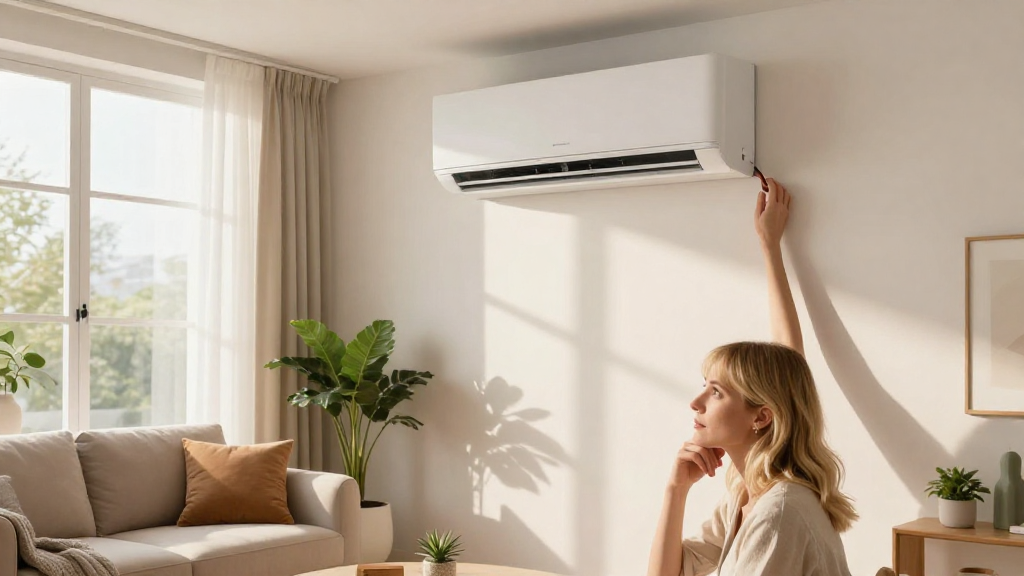
Air conditioning return vents play a crucial role in maintaining comfortable indoor temperatures.
Understanding how these return vents work and optimizing their use can significantly enhance the efficiency of your air conditioning system.
What Are Air Conditioning Return Vents?
Air conditioning return vents are essential components of HVAC systems.
They are designed to draw stale, warm air from your living spaces back into the air conditioning system for re-cooling.
This process helps maintain consistent temperatures and improves airflow throughout your home.
Importance of Air Conditioning Return Vents:
-
Efficient Air Circulation: They ensure that cool air is distributed evenly by circulating warmer air back to the system.
-
Improved Indoor Air Quality: By constantly replacing stale air with fresh, conditioned air, they enhance the air quality within your home.
-
Energy Efficiency: Proper use of return vents can reduce energy consumption by helping the air conditioning system work more effectively.
How Many Return Vents Do You Need?
The number of air conditioning return vents required depends on several factors, including:
-
Size of Your Home: Larger homes typically need more return vents to create adequate airflow.
-
Ductwork Design: The layout of your ductwork may determine how many return vents are necessary for effective circulation.
-
HVAC System Capacity: The size of your air conditioning unit can also influence how many vents it needs to function optimally.
As a general rule of thumb, you should have one return vent for every 600-1000 square feet of living space.
However, it’s best to consult with an HVAC professional to assess your specific needs.
Where Should Return Vents Be Located?
The placement of air conditioning return vents is crucial for optimal performance.
Consider the following guidelines when determining where to install them:
-
Central Location: Position return vents in a central location within your home to promote even air circulation.
-
Avoid Obstructions: Make sure that furniture, curtains, or other objects do not block return vents, as this can hinder air flow.
-
High and Low Placement: Consider installing some return vents at both high and low levels to improve air circulation throughout different areas of your home.
-
Separate Floors: If your home has multiple floors, ensure that each floor has its own return vent to better circulate air.
How to Maintain Your Air Conditioning Return Vents?
Proper maintenance of air conditioning return vents is essential for ensuring optimal operation. Here are effective maintenance tips:
- Regular Cleaning: Dust and debris can accumulate in return vents over time.
-
Use a vacuum cleaner with a brush attachment to clean the grille regularly.
-
Remove the vent covers and wash them in warm, soapy water to keep them looking new and functioning properly.
- Check Filters: Dirty air filters can restrict airflow, making your return vents less effective.
- Replace or clean your filters every couple of months to ensure your air conditioning system runs efficiently.
- Inspect for Blockages: Periodically inspect return vents for any blockages.
-
Ensure that furniture, curtains, and other obstructions are moved away from the area around the vents.
-
If a vent is located in an area that collects dirt or trash, consider using a vent cover that suits your space.
- Schedule Professional Maintenance: Having a professional HVAC technician perform regular maintenance checks can identify potential issues with your return vents or entire air conditioning system.
Can Return Vents Help Reduce Energy Costs?
Absolutely!
Using air conditioning return vents effectively can lead to significant energy savings. Here’s how:
-
Increased Efficiency: By ensuring that cool air is continuously circulated, your air conditioning system doesn’t have to work as hard, which can reduce your energy bills.
-
Balanced Temperatures: Properly functioning return vents help maintain consistent temperatures throughout your home, leading to less energy consumption.
-
Improved System Longevity: A well-maintained air conditioning system can last longer, reducing the likelihood of costly repairs or replacements.
How to Troubleshoot Problems with Return Vents?
If you notice your air conditioning system isn’t working as efficiently as it should, it may be due to problems with your air conditioning return vents.
Here are common issues and troubleshooting steps:
- Weak Airflow:
– Check for obstructions in and around the vent.
- Inspect the air filter to ensure it’s clean.
-
Unpleasant Odors:
– Clean your vents and air filters, as odors can stem from dust and debris accumulation. -
Uneven Cooling:
– If you notice some rooms are cooler than others, ensure all return vents are open and unobstructed. -
High Humidity Levels:
– Poor humidity control may indicate that your return vents aren’t functioning effectively.
- Consider consulting a professional for an HVAC system evaluation.
Do I Need to Close Return Vents in Unused Rooms?
It might be tempting to close air conditioning return vents in unused rooms to save energy.
However, this practice can lead to more problems.
Closing vents may cause your HVAC system to work harder, ultimately increasing energy costs.
Instead, consider:
-
Using Dampers: Install dampers that allow you to adjust airflow without completely closing the vent.
-
Improving Insulation: Ensure that unused rooms are well-insulated, which can help maintain temperatures without obstructing air flow.
Conclusion
Understanding how to use air conditioning return vents effectively is crucial for maximizing comfort and energy efficiency in your home.
From proper placement and maintenance to troubleshooting potential issues, implementing these strategies can lead to improved heating and cooling performance.
By regularly checking your return vents and ensuring they are free from obstructions, you can enjoy a more comfortable living environment while saving on energy costs.
For other significant improvements, don’t hesitate to contact an HVAC professional who can offer tailored advice specific to your home’s needs!