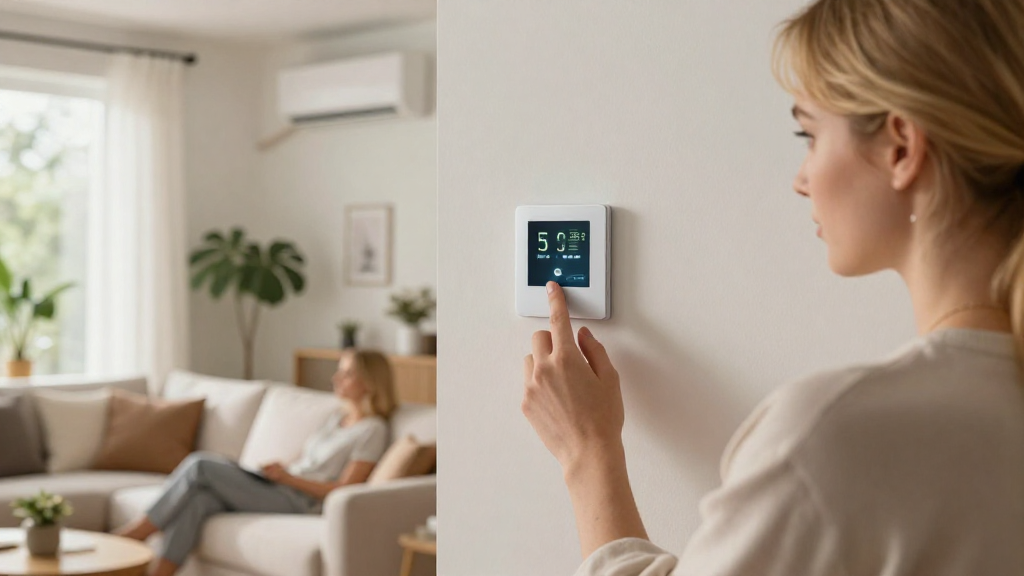
Optimizing your air conditioning thermostat settings can significantly impact your comfort and energy bills.
Understanding how to adjust your thermostat effectively not only keeps your home cool during the hot summer months but also enhances energy efficiency and lowers your utility costs.
Here’s a comprehensive guide on how to get the most out of your air conditioning thermostat settings.
Why Are Air Conditioning Thermostat Settings Important?
Your air conditioning thermostat settings dictate how and when your air conditioning system operates.
Compromised thermostat settings can lead to:
- Increased energy bills
- Inconsistent indoor temperatures
- Reduced lifespan of your air conditioning unit
Consequently, knowing how to set your thermostat properly can save you money and enhance your home’s comfort.
What Is the Ideal Temperature for Your Air Conditioning Thermostat?
The ideal temperature setting for your air conditioning unit depends on several factors, including personal comfort, outside temperature, and humidity levels.
However, a generally recommended setting is 78°F (26°C) when you’re at home.
Benefits of Setting Your Thermostat at 78°F:
- Energy efficiency: Every degree cooler can increase energy costs by up to 3% during the cooling season.
- Comfort: This temperature is often cool enough for relaxation while also balancing energy consumption.
For night-time, consider raising the temperature to around 82°F (28°C).
This can help reduce energy consumption while you sleep.
How Does Programmable or Smart Thermostat Impact Air Conditioning Thermostat Settings?
Investing in a programmable or smart thermostat allows for advanced control over your air conditioning thermostat settings.
With these devices, you can:
- Set schedules: Program your thermostat to adjust the temperature based on your daily routine.
- Monitor and control remotely: Keep track of your HVAC system while you’re away from home through smartphone apps.
- Receive alerts: Get notifications when your HVAC system needs maintenance or if there are temperature fluctuations.
Benefits of Smart Thermostats:
- Energy savings: They can learn your habits and optimize settings automatically.
- Convenience: Adjust settings from anywhere, ensuring your home is comfortable upon arrival.
- Enhanced control: Allows for zoning, meaning different areas of your home can have different temperature settings.
When Is It Best to Adjust Your Air Conditioning Thermostat Settings?
Timing your air conditioning thermostat settings can significantly affect efficiency and savings.
Here are some tips for optimal adjustment:
Daytime Adjustments:
- During the day: If no one is home, raise your thermostat by a few degrees (5-10°F).
- Midday heat: The hottest part of the day usually occurs from 1 PM to 4 PM. During this period, consider raising your thermostat settings as the natural heat from outside will make it harder to cool your home.
Nighttime Adjustments:
- Before bedtime: Lower the temperature setting about an hour before sleep for comfortable cooling.
- While sleeping: Keep the thermostat set higher for saving energy without compromising comfort.
How Does Humidity Affect Air Conditioning Thermostat Settings?
Humidity plays a vital role in your home’s comfort levels and how your air conditioning thermostat settings function.
Effects of Humidity:
- High humidity levels can make warmer temperatures feel less comfortable.
- Low humidity can make cooler temperatures feel chilly.
Recommended Indoor Humidity Level:
- A relative humidity level of 30% to 50% is ideal for comfort.
When managing humidity, consider using a dehumidifier alongside your air conditioning to enhance efficiency, especially in hot and humid climates.
Should You Use Ceiling Fans Along with Your Air Conditioning Thermostat Settings?
Ceiling fans can work synergistically with your air conditioning system to improve overall comfort.
Benefits of Ceiling Fans:
- Air circulation: Helps distribute cool air evenly throughout your home.
- Energy efficiency: Allow you to increase your thermostat setting a few degrees without sacrificing comfort.
- Comfort enhancement: The wind-chill effect from ceiling fans can make the air feel cooler, allowing for a warmer thermostat setting.
Optimal Use:
- Run ceiling fans in a counter-clockwise direction during the summer for cool air circulation.
- Turn off ceiling fans when you leave a room, as they cool people, not spaces.
How Frequently Should You Maintain Your Air Conditioning System to Optimize Thermostat Settings?
Regular maintenance of your air conditioning system is crucial for optimizing your thermostat settings.
Maintenance Tips Include:
- Change filters: Replace or clean your air filters every 1-3 months to ensure proper airflow.
- Check ducts: Inspect ductwork for leaks and blockages to prevent energy loss.
- Professional service: Schedule yearly professional maintenance to ensure your system operates at optimal efficiency.
Benefits of Regular Maintenance:
- Improved energy efficiency: Helps maintain manufacturer efficiency ratings.
- Enhanced lifespan: Keeps your HVAC system running smoothly for longer.
- Cost savings: Reduces the need for costly repairs and lowers utility bills.
Conclusion: How to Keep Your Air Conditioning Thermostat Settings Effective
Optimizing your air conditioning thermostat settings can lead to significant improvements in comfort, energy savings, and system longevity.
To recap:
- Set your thermostat at 78°F when home and raise it while away.
- Use programmable or smart thermostats for added convenience and efficiency.
- Adjust settings based on the time of day and humidity levels.
- Use ceiling fans to enhance cooling.
- Maintain your air conditioning system regularly for optimal performance.
By following these insights and recommendations, you can ensure your air conditioning thermostat settings work effectively throughout the year.
Taking control of your thermostat not only maximizes comfort but can also lead to noticeable savings on your energy bills.