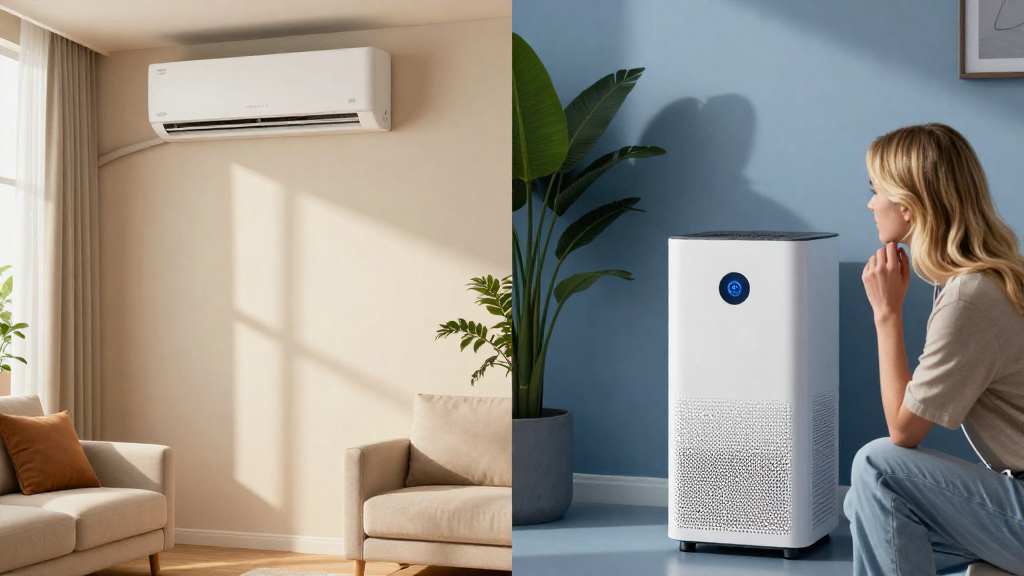
When it comes to keeping your indoor environment comfortable, many people find themselves wondering about the choice between air conditioning vs dehumidifier.
In this article, we will explore the crucial factors to consider when making this decision.
What Is the Difference Between Air Conditioning and Dehumidifiers?
Before diving into the details of air conditioning vs dehumidifier, it’s essential to understand how these two systems work.
Air Conditioning:
- Function: Air conditioning systems cool and dehumidify the air simultaneously.
- How It Works: By circulating refrigerant through coils, they absorb heat from your indoor air and release it outside.
Dehumidifier:
- Function: A dehumidifier primarily removes excess moisture from the air.
- How It Works: It pulls in humid air, condenses the moisture, and releases drier air back into the room.
While both serve to improve indoor air quality, their specific functions can lead to very different results.
Why Should You Use Air Conditioning?
Now that we’ve established the basic difference, let’s evaluate when opting for air conditioning is the best choice.
What Are the Key Advantages of Air Conditioning?
-
Temperature Control:
– Air conditioning units provide effective temperature regulation, making your space more comfortable during hot summer months. -
Cooling and Dehumidifying:
– With their dual functionality, air conditioners cool the air while also removing humidity. -
All-in-One Solution:
– Many modern air conditioning systems come with additional features, such as air purification, making them an all-in-one climate control system.
If your primary goal is to lower your indoor temperature while also reducing humidity, air conditioning may be the better option for you.
When Should You Choose a Dehumidifier?
Conversely, there are circumstances where you might prefer a dehumidifier over air conditioning.
What Benefits Do Dehumidifiers Offer?
-
Energy Efficiency:
– Dehumidifiers tend to use less energy than air conditioning systems, making them a cost-effective option for humidity control. -
Prevention of Mold:
– High humidity levels can lead to mold and mildew growth. Dehumidifiers are excellent for preventing these issues, particularly in damp areas like basements. -
Air Quality Improvement:
– Reducing humidity can often help improve overall air quality, particularly for those with allergies.
If you live in areas with high humidity but moderate temperatures, a dehumidifier may be the ideal choice to enhance comfort while maintaining energy efficiency.
How to Decide Which is Right for You?
When thinking about air conditioning vs dehumidifier, you should consider several key factors.
What Factors Should Influence Your Decision?
-
Climate:
– If you live in a hot and humid region, air conditioning might be necessary.
– If the climate is more moderate with high humidity, a dehumidifier can suffice. -
Space Considerations:
– The size of the area you want to control can influence your choice. Large spaces may require air conditioning systems for comprehensive cooling and dehumidifying. -
Budget:
– Initial costs for air conditioning systems can be higher, but they may be worth it for complete climate control. Dehumidifiers offer a lower investment option. -
Specific Needs:
– Consider factors such as:- Allergies: If you suffer from allergies, air conditioning can help filter the air.
- Basement Use: If you want to protect your basement from moisture damage, a dehumidifier is a wise choice.
By analyzing these factors, you’ll be better equipped to make an informed decision.
Can You Use Both Air Conditioning and Dehumidifiers Together?
In some cases, homeowners choose to use both systems to optimize indoor comfort.
What Are the Benefits of Combining Both Systems?
-
Enhanced Comfort:
– Using both allows for better temperature control while effectively managing humidity levels. -
Tailored Solutions:
– You can customize your indoor climate to meet your exact preferences, depending on the season or specific weather conditions. -
Long-Term Efficiency:
– Using a dehumidifier with an air conditioning unit may lead to reduced wear on the AC unit, potentially extending its lifespan.
In regions with extreme weather, utilizing both systems may be the most effective strategy for maintaining a comfortable living environment.
What Are the Maintenance Requirements for Each System?
Understanding the maintenance needs for both air conditioning systems and dehumidifiers can help in your decision-making process.
What Should You Know About Air Conditioning Maintenance?
-
Regular Filter Changes:
– To ensure efficiency, air filters should be replaced regularly, typically every 1-3 months. -
Professional Servicing:
– Annual servicing by a professional can prevent major breakdowns and optimize performance. -
Check Ductwork:
– Clean and inspect ducts for proper airflow and mold buildup to maintain healthy air quality.
What Maintenance Do Dehumidifiers Require?
-
Water Tank Emptying:
– Make sure to regularly empty the water reservoir or set up a continuous drainage option. -
Clean Filters:
– Dehumidifiers often have filters that require cleaning or replacing to maintain efficiency. -
Regular Checks:
– Inspect the unit for any leaks or unusual noises to address minor issues before they become major problems.
Final Thoughts: Which Should You Choose?
Ultimately, the choice between air conditioning and a dehumidifier depends on your specific needs, your environment, and your budget.
If you want effective temperature control, especially in extreme heat, go for air conditioning.
If reducing moisture and preventing mold growth is your primary concern, a dehumidifier is likely the better option.
Remember, each situation is unique; evaluating your requirements will lead to the best decision for your indoor comfort.
Through understanding air conditioning vs dehumidifier, you can create a living environment that’s both comfortable and healthy.
Don’t forget to take into account your climate, space, and long-term needs when making your decision!