Cold temperatures can reduce battery capacity, slow charging, and expose weaknesses in an otherwise dependable power system. Choosing the right chemistry, capacity, and low-temperature protections is especially important for winter RV trips, boats, off-grid setups, and emergency backup.
We compare 10 deep cycle batteries for winter use, covering self-heating LiFePO4 models, smart-BMS lithium batteries, AGM options, and compact batteries for smaller loads.
Best 10 Deep Cycle Batteries for Winter Use Picks for 2026
Cold-Weather Power Pick
12V 300Ah Self-Heating LiFePO4 Battery

- Built-in heating supports charging below 32°F under specified conditions.
- 300Ah capacity with APP monitoring and a 200A BMS.
- Supports lithium charger, solar, or generator charging.
Best For: High-capacity RV, marine, solar, and backup power systems in cold climates
Extreme-Temperature AGM Choice

- Specified discharge performance from -4°F to 140°F.
- Sealed, spill-resistant, maintenance-free AGM design.
- Supports series connections and up to four batteries in parallel.
Best For: RV, cabin, and solar users seeking a conventional cold-weather AGM battery
Lightweight Lithium Option
BIC Group 31 12V 100Ah LiFePO4
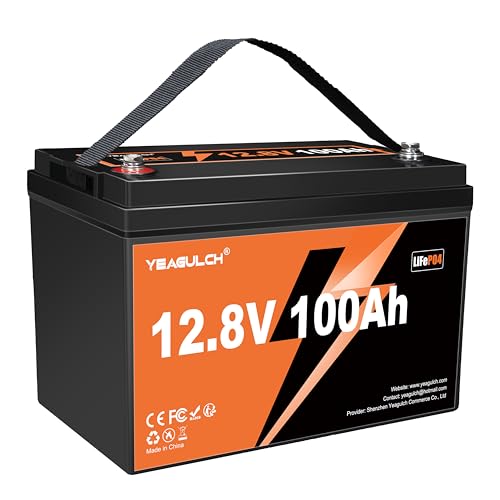
- Approximately 21.6 pounds with up to 95% usable capacity.
- 100A BMS with listed low-temperature protection.
- Supports up to four batteries in series or parallel.
Best For: Portable RV, camping, marine, solar, and off-grid systems
Mobility-Focused AGM Battery
Interstate 12V 110Ah SLA Deep Cycle Battery

- Sealed AGM/VRLA design is maintenance-free and spill proof.
- 110Ah capacity for deep-discharge applications.
- Designed for mobility equipment, solar, wind, and compatible RV uses.
Best For: Wheelchairs, scooters, medical equipment, and other heavy-demand deep-cycle applications
Cold-Ready Lithium Upgrade

- Low-temperature charge and discharge cutoffs
- 21.6-pound Group 24 drop-in format
- Supports up to 4S4P expansion
Best For: Cold-weather RV, marine, and off-grid energy storage
Long-Life Winter Lithium

- Automatic low-temperature charging cutoff
- Lightweight 24-pound Group 31 format
- Rated for extensive deep-cycle use
Best For: Long-term RV, marine, solar, and off-grid cycling
Compact Marine Pick

- Sealed AGM design
- 50Ah capacity for marine use
- Portable 32-pound build
Best For: Small boats, kayaks, and trolling motors
High-Capacity Backup
ExpertPower 12V 100Ah AGM Battery

- 100Ah deep cycle capacity
- Sealed, non-spillable design
- M8 threaded insert terminals
Best For: RV, off-grid, UPS, and backup-power systems
Two-Battery Value Pack
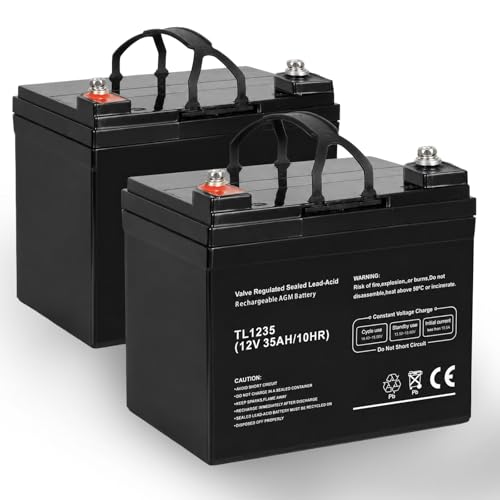
- Two rechargeable 12V batteries
- Sealed maintenance-free AGM build
- 35Ah capacity per battery
Best For: Camping, RV, marine, and backup applications
Cold-Weather Power Pick – 12V 300Ah Self-Heating LiFePO4 Battery
For deep cycle batteries for winter use, this 12V 300Ah LiFePO4 model stands out with built-in heating that activates during charging below 32°F when charging current exceeds 10A. Its large capacity, app monitoring, and multiple charging options make it suited to extended off-grid and mobile power needs.
Best For: RVs, boats, solar systems, and backup power setups that need high capacity and cold-weather charging support.
Pros:
- Self-heating activates below 32°F during qualifying charging conditions.
- Built-in 200A BMS provides protection against overcharge, over-discharge, overcurrent, short circuits, temperature extremes, and voltage abnormalities.
- APP displays capacity, voltage, current, power, temperature, and fault alerts.
- Can be charged with a lithium charger, solar power, or a generator.
Cons:
- Large and heavy at approximately 24.8 kg.
- Not intended for golf cart use when connected in series.
- Self-heating requires charger connection and charging current above 10A.
This is a strong winter-oriented choice when you need substantial runtime and want visibility into battery status. Confirm the charger, solar setup, available space, and operating instructions before installation.
Extreme-Temperature AGM Choice – Renogy 12V 100Ah AGM Battery
Among deep cycle batteries for winter use, this Renogy AGM battery offers discharge performance across a stated range of -4°F to 140°F. Its sealed, maintenance-free design and low reported self-discharge make it a practical option for cabins, RVs, and solar installations.
Best For: Users wanting a sealed lead-acid battery for RV, cabin, solar, and appliance-power applications.
Pros:
- Rated for discharge performance from -4°F to 140°F.
- Sealed AGM construction provides a maintenance-free, spill-resistant design.
- Supports series connections without limitation and parallel connections up to 4P.
- Monthly self-discharge is stated at below 3% at 77°F.
Cons:
- Lead-acid chemistry is heavier than the listed LiFePO4 alternatives.
- Provides 100Ah of capacity, less than the 300Ah battery in this roundup.
- Does not include a dedicated self-heating feature.
This AGM model is a sensible winter battery when cold-weather discharge capability and simple sealed construction matter more than low weight or lithium-level capacity utilization. Match it with a compatible charging system and check its dimensions and weight before purchase.
Lightweight Lithium Option – BIC Group 31 12V 100Ah LiFePO4
This 12V 100Ah LiFePO4 battery is a lighter alternative for deep cycle batteries for winter use, with low-temperature protection listed among its features. It offers up to 95% capacity utilization, a 100A BMS, and flexible series or parallel expansion for RV, marine, solar, and backup applications.
Best For: Campers, RV owners, and off-grid users who prioritize low weight, usable capacity, and expandable 12V storage.
Pros:
- Weighs approximately 21.6 pounds, about two-thirds lighter than comparable lead-acid batteries according to the supplied notes.
- Offers up to 95% usable capacity and a stated cycle life of up to 4,000 cycles at 100% depth of discharge.
- Can be configured up to four batteries in series or four in parallel.
- Includes a 100A BMS and listed low-temperature protection.
Cons:
- The supplied notes do not describe an internal self-heating system.
- Not recommended for trolling motors over 700W, car starting, or golf cart use.
- Should be charged and discharged at least once every six months during storage.
Choose this model when portability and efficient energy use are more important than built-in cold-weather heating. For winter installations, verify the charging setup and follow the manufacturer’s low-temperature guidance.
Mobility-Focused AGM Battery – Interstate 12V 110Ah SLA Deep Cycle Battery
This Interstate sealed lead-acid AGM battery is a practical consideration for deep cycle batteries for winter use when you need a maintenance-free unit for mobility equipment, solar, wind, or RV applications. Its notes emphasize long-life deep-discharge service and spill-resistant AGM/VRLA construction.
Best For: Wheelchairs, scooters, medical equipment, solar systems, wind-energy equipment, and compatible RV applications.
Pros:
- AGM/VRLA design is maintenance-free, sealed, and spill proof.
- Designed for long-life deep-discharge usage and heavy-demand applications.
- Provides 110Ah capacity at 12V.
- Includes insert terminals with bolt hardware.
Cons:
- The supplied notes do not specify a winter operating temperature range.
- Heavy at approximately 71.5 pounds.
- Not a replacement for a golf cart battery.
This battery makes the most sense when compatibility with mobility or other listed deep-cycle equipment is the priority. Because winter temperature performance is not specified in the supplied information, confirm the intended application and charging requirements before buying.
Cold-Ready Lithium Upgrade – 12V 100Ah Group 24 LiFePO4
For shoppers comparing deep cycle batteries for winter use, this 12V 100Ah LiFePO4 model stands out for its built-in low-temperature safeguards and drop-in Group 24 format. Its BMS pauses charging below 32°F and stops discharge at -4°F, making it a practical option for cold-weather RV, marine, and off-grid energy storage.
Best For: RV house power, trolling motors, marine systems, and off-grid setups that need compact lithium storage with cold-weather protection.
Pros:
- Low-temperature protection pauses charging below 32°F and discharge below -4°F.
- Lightweight 21.6-pound Group 24 drop-in replacement for many lead-acid, AGM, or SLA setups.
- Supports up to 4S4P expansion and includes a 100A BMS with multiple safety protections.
Cons:
- Charging requires a compatible LiFePO4 charger or properly configured solar controller.
- Not designed for engine starting or cranking.
- Charging is disabled below freezing, so the battery or charging environment may need warming.
This battery is a strong fit when winter operation, modest weight, and easy installation matter more than starting power. Its temperature cutoffs protect the cells, but users should plan charging around freezing conditions.
High-Capacity AGM Workhorse – VEVOR 12V 200Ah Deep Cycle AGM
Among deep cycle batteries for winter use, this VEVOR 12V 200Ah AGM battery offers substantial storage in a sealed, maintenance-free design. AGM construction helps limit electrolyte loss and provides low self-discharge, while its high capacity suits RV, solar, backup, and marine energy-storage applications.
Best For: High-capacity stationary or mobile energy storage where a sealed AGM battery and extended runtime are priorities.
Pros:
- 200Ah capacity provides substantial energy storage for light-duty devices and backup systems.
- Sealed AGM design requires no water refilling or routine electrolyte maintenance.
- Features low self-discharge and a 5-second peak discharge current of 1400A.
Cons:
- At 116.8 pounds, it is considerably heavier than the listed lithium alternatives.
- Professional charging equipment is required for secure operation.
- It is an energy-storage battery, not a vehicle starting or power battery.
This VEVOR model makes sense for buyers who prioritize capacity and sealed AGM simplicity over portability. Its weight and charging requirements are important considerations for winter installations or systems that must be moved frequently.
Long-Life Winter Lithium – 12V 100Ah Group 31 LiFePO4
This Group 31 LiFePO4 battery is a compelling choice among deep cycle batteries for winter use because its smart BMS automatically cuts off charging below 32°F while allowing discharge down to -4°F. It combines a lightweight 24-pound design with long cycle-life claims for RV, marine, solar, and home backup applications.
Best For: Group 31 RV or marine battery compartments, off-grid solar systems, and users seeking lightweight storage with extensive cycle-life potential.
Pros:
- Automatic low-temperature charging cutoff helps protect cells below 32°F.
- 24-pound Group 31 drop-in design is lighter than comparable lead-acid batteries.
- Supports up to 4S4P expansion and is rated for thousands of deep cycles.
Cons:
- Charging below freezing is disabled, so cold-weather charging requires temperature planning.
- Requires a suitable LiFePO4 charging setup for its stated fast-charging capability.
- Designed for energy storage rather than engine starting.
For frequently cycled systems, this battery’s low weight, smart BMS, and stated long service life make it an appealing winter-ready upgrade. Confirm Group 31 fit and provide a lithium-compatible charger before installation.
Compact Marine Pick – Newport 12V 50Ah AGM Battery
If you need deep cycle batteries for winter use on a small boat or kayak, this 12V 50Ah AGM battery offers a sealed, low-maintenance design and steady power for compatible marine electronics. Its manageable 32-pound weight also makes transport easier when preparing equipment in cold weather.
Best For: Small boats, kayaks, jon boats, and Newport trolling motors.
Pros:
- Sealed AGM construction requires little maintenance.
- 50Ah capacity supports extended trolling-motor use.
- Compact 32-pound design is easier to carry.
- Includes a one-year limited warranty and USA-based support.
Cons:
- Its 50Ah capacity is lower than larger 100Ah options.
- Designed primarily for 12V applications.
This is a practical choice when portability and marine compatibility matter more than maximum capacity. Confirm the terminal style and your motor’s power requirements before buying.
High-Capacity Backup – ExpertPower 12V 100Ah AGM Battery
For deep cycle batteries for winter use in an RV, off-grid system, or backup setup, the ExpertPower 12V 100Ah AGM battery provides twice the stated capacity of a 50Ah model. Its sealed, valve-regulated construction is suited to storage and a range of standby applications.
Best For: RVs, solar and wind systems, UPS backup, trailers, security equipment, and sump-pump backup.
Pros:
- 100Ah capacity supports longer energy demands.
- AGM technology is designed for recovery during long-term storage.
- Non-spillable construction and M8 threaded terminals support secure installation.
- One-year limited warranty included.
Cons:
- At up to 65 pounds, it is relatively heavy to move.
- Large dimensions may require careful mounting-space checks.
- Sealed lead-acid construction is heavier than some alternative battery types.
This battery makes sense when capacity and broad system compatibility are priorities. Before winter installation, verify the 12V system, M8 terminal connection, available space, and mounting support.
Two-Battery Value Pack – Daakmax 12V 35Ah AGM 2-Pack
This two-pack is worth considering when deep cycle batteries for winter use need to cover camping, RV, marine, or backup equipment. Each rechargeable 12V 35Ah AGM battery uses a sealed, maintenance-free design, while the included pair gives you two units for flexible system planning.
Best For: Camping, RVs, marine systems, off-grid solar, UPS, and compatible backup equipment.
Pros:
- Pack includes two rechargeable 12V batteries.
- AGM construction is described as leak-proof and vibration-resistant.
- Maintenance-free sealed design has low self-discharge for storage.
- Backed by a one-year warranty and support team.
Cons:
- Each battery provides 35Ah, less than the 50Ah and 100Ah options.
- System wiring and compatibility should be confirmed before installation.
The two-pack is useful for buyers who want multiple batteries or a flexible backup arrangement without choosing a single large unit. Check the required connection hardware, since the batteries use zinc-plated M6 bolts.
How We Picked the Best Deep Cycle Batteries for Winter Use
We focused on the specifications that matter most in cold-weather operation: battery chemistry, rated capacity, low-temperature charging protection, usable energy, cycle life, terminal design, maintenance requirements, and intended application. Lithium iron phosphate batteries generally provide more usable capacity and longer service life than lead-acid batteries, but they require compatible charging equipment and may need built-in heating or charge cutoffs below freezing. AGM batteries are heavier and typically offer less usable capacity, yet they are sealed, maintenance-free, and often simpler for basic backup or seasonal systems.
We also considered whether each battery fits common RV, marine, solar, trolling-motor, UPS, and off-grid configurations. Specifications such as Group 24 or Group 31 sizing, amp-hour capacity, BMS protection, and connection type can affect installation as much as the headline capacity.
Quick Comparison
For maximum winter capability, prioritize a LiFePO4 model with self-heating or reliable low-temperature charge protection. A 100Ah lithium battery is a practical general-purpose size, while 200Ah and 300Ah models suit larger inverters and extended off-grid use. AGM batteries remain sensible for simpler systems, occasional use, and applications where lithium charging upgrades are not practical. The 35Ah two-battery pack and 50Ah marine battery are better suited to smaller loads, compact boats, and portable setups.
Key Buying Factors for Deep Cycle Batteries for Winter Use
Cold-Weather Charging
Discharging lithium batteries in cold weather is usually possible within the manufacturer’s limits, but charging below freezing can damage many LiFePO4 cells. Look for self-heating, low-temperature cutoff protection, or an installation plan that keeps the battery above freezing. AGM batteries accept cold-weather charging more readily, although their capacity and charging performance still decline as temperatures fall.
Usable Capacity and Power Demand
Do not compare amp-hour ratings alone. Lead-acid batteries are commonly limited to about 50% discharge for good service life, while lithium batteries can typically use a much larger portion of their rated capacity. Match the battery to your daily watt-hours, inverter surge demand, motor load, and desired reserve time.
System Compatibility
Confirm charger voltage profiles, solar-controller settings, inverter limits, terminal style, physical dimensions, and cable requirements. Group size helps with fit but does not guarantee identical dimensions across brands. For parallel installations, use matching batteries and follow the manufacturer’s wiring guidance.
Durability and Maintenance
AGM batteries are sealed and low-maintenance but substantially heavier. LiFePO4 batteries typically deliver more cycles and lower weight, with a battery-management system for overcharge, over-discharge, and temperature protection. Verify the warranty and continuous discharge rating before relying on a battery for high-current equipment.
Who Should Buy Which Deep Cycle Batteries for Winter Use?
Choose a self-heating LiFePO4 battery for frequent winter camping, cold garages, or off-grid use where charging may occur near freezing. A smart-BMS Group 31 lithium battery is a strong fit for users who want monitoring and a straightforward upgrade from traditional 12V systems. Choose a 200Ah or 300Ah lithium model for high daily energy use, larger inverters, or longer periods without shore power.
AGM batteries are a practical choice for budget-conscious buyers, UPS systems, backup power, and installations that already use lead-acid charging profiles. Smaller 35Ah and 50Ah options make more sense for kayaks, small trolling motors, compact electronics, and light camping loads. Before purchasing, calculate your real energy needs and leave enough reserve for the capacity loss that winter temperatures can cause.