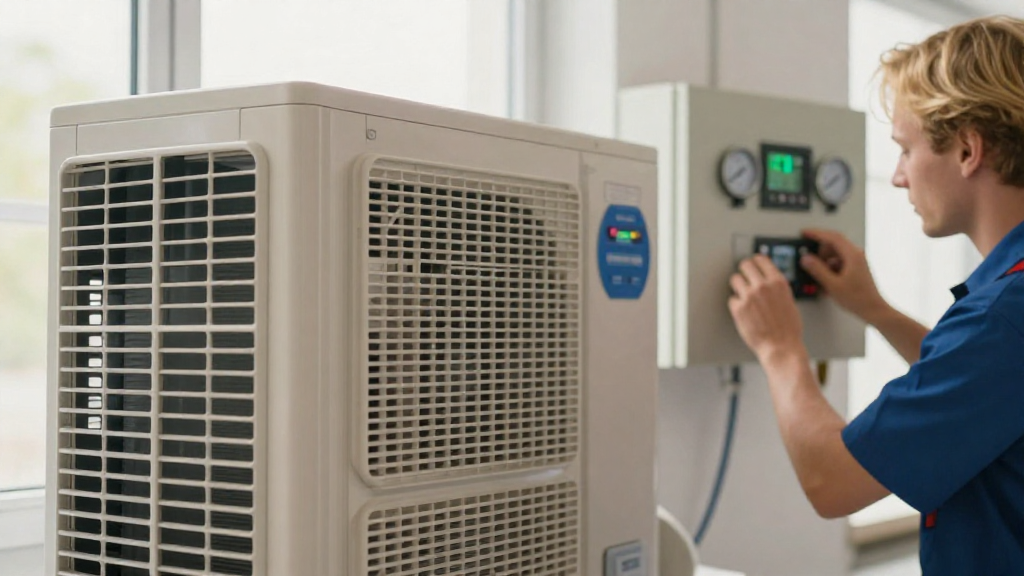
When it comes to maintaining the efficiency of your air conditioning system, air conditioning airflow calibration plays a crucial role. Proper airflow calibration ensures that your system operates at peak performance, improving comfort, reducing energy costs, and extending the lifespan of your equipment.
What is Air Conditioning Airflow Calibration?
Air conditioning airflow calibration is the process of adjusting the airflow rates in your HVAC system to meet specified requirements.
This adjustment is vital for several reasons:
- Comfort: Ensures consistent temperature throughout your space.
- Energy Efficiency: Reduces energy waste by optimizing airflow.
- Equipment Longevity: Prevents strain on components, leading to less frequent repairs.
Understanding airflow calibration can significantly impact how effectively your air conditioning system operates.
Why is Airflow Calibration Important?
How Does Incorrect Airflow Affect AC Performance?
Incorrect airflow can lead to numerous performance issues, including:
- Inconsistent Temperatures: Hot or cold spots in your home.
- Increased Energy Bills: Systems functioning harder than necessary consume more power.
- Component Wear: Motors and compressors may wear out more quickly under strain.
Calibrating your airflow not only helps maintain comfort but also promotes energy efficiency and protects your investment in the HVAC system.
What Tools Do You Need for Air Conditioning Airflow Calibration?
What Instruments are Required?
To perform accurate air conditioning airflow calibration, you will require a few essential tools. Here’s a brief overview of the equipment needed:
- Thermal Anemometer: Measures air velocity.
- Pitot Tube: Used to gauge static pressure in ducts.
- Manometer: Enables you to measure pressure differences.
- Duct Flow Meter: Assesses airflow rate in duct systems.
- Tachometer: Monitors fan speeds for proper adjustments.
Having the right tools ensures that you can conduct accurate measurements for effective calibration.
How Do You Calibrate Airflow in Your AC System?
What Are the Step-by-Step Instructions?
Calibrating airflow can seem complex, but following these steps can make the process more manageable:
-
Measure Existing Airflow:
– Use a thermal anemometer to measure airflow in various locations.
– Taking readings at multiple vents helps identify discrepancies. -
Assess Ductwork:
– Check for leaks or blockages in ductwork that could affect airflow.
– Seal leaks with duct tape or mastic to improve efficiency. -
Adjust Supply and Return Vents:
– Close or partially close vents in areas that receive too much airflow.
– Open vents in areas that are receiving insufficient airflow. -
Balance the System:
– Use dampers to adjust the flow in different zones of your duct system.
– Check air pressure at the return vent to ensure it aligns with desired specifications. -
Re-Test Airflow:
– After making adjustments, repeat airflow measurements.
– Ensure your new readings meet the desired specifications of airflow. -
Monitor Regularly:
– Make periodic checks, especially during peak usage seasons.
– Regular maintenance will ensure continued efficiency.
When Should You Consider Professional Help?
Is DIY Calibration Right for Everyone?
While many homeowners can perform basic airflow calibration, there are situations where you should consider hiring a professional.
- Complex Systems: Large or multi-zone systems may require specialized knowledge.
- Persistent Issues: If problems persist after your calibration efforts, professional intervention could identify underlying issues.
- Lack of Tools: If you don’t have access to the necessary equipment, a pro may be your best option.
Professional HVAC technicians have the expertise and equipment to ensure that your air conditioning airflow calibration is performed accurately.
What Are the Benefits of Proper Airflow Calibration?
How Does Calibration Impact Your System?
Effective air conditioning airflow calibration leads to numerous benefits:
- Energy Savings: Optimizing airflow reduces electricity consumption, saving you money.
- Increased Comfort: Ensures uniform temperature distribution throughout your home.
- A Reduced Carbon Footprint: Improved efficiency translates to lower greenhouse gas emissions.
Overall, these advantages not only enhance indoor comfort but also contribute to environmental sustainability.
How Often Should You Perform Airflow Calibration?
What is the Recommended Frequency for Calibration?
It’s ideal to perform air conditioning airflow calibration:
- Annually: As a part of your routine HVAC maintenance.
- After Major Repairs: Whenever significant repairs are made to your HVAC system.
- Scheduled Inspections: During seasonal tune-ups, as recommended by HVAC professionals.
Regular calibration maintains your system’s efficiency and promotes its longevity.
How Can You Troubleshoot Airflow Issues?
What Steps Can You Take to Identify Problems?
If you experience problems even after calibration, here are troubleshooting steps:
- Inspect Air Filters: Clogged filters can restrict airflow.
- Inspect Ductwork: Look for bends, blocks, or damage that may impede air movement.
- Examine the Thermostat: Ensure it’s reading temperatures accurately.
- Monitor Fan and Blower: Make sure they are functioning correctly.
Following these troubleshooting steps can help address any underlying issues affecting airflow.
Conclusion: Ensure Optimal Airflow for Better Comfort
In conclusion, regular air conditioning airflow calibration is essential for maintaining the optimal performance of your HVAC system.
By understanding the importance of proper airflow, equipping yourself with the right tools, and conducting regular maintenance, you can improve energy efficiency, comfort, and system longevity.
If you encounter difficulties beyond your capabilities, don’t hesitate to reach out to professionals.
Ultimately, well-calibrated airflow can lead to a more comfortable, cost-effective, and environmentally friendly living space.