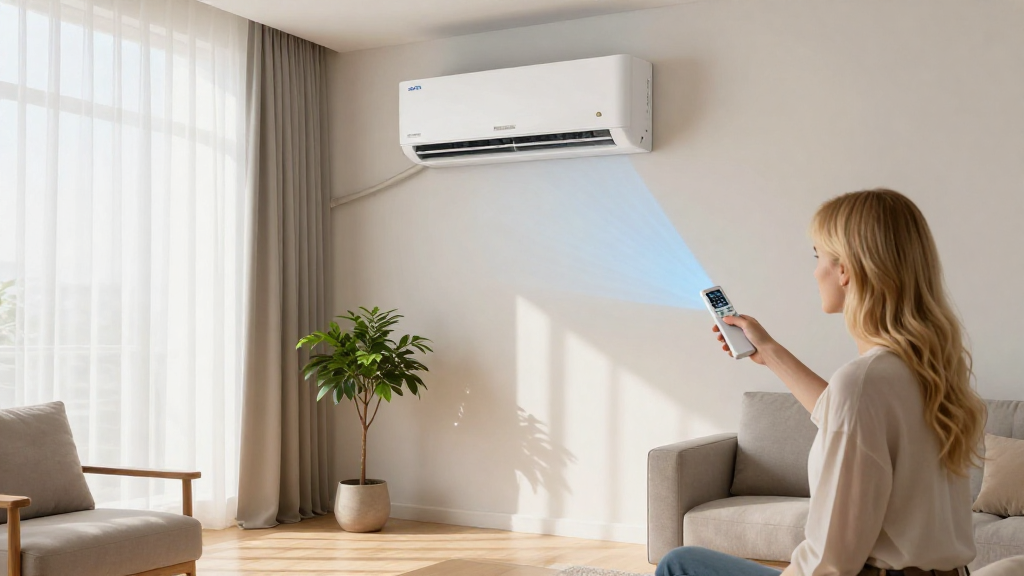
Adjusting the air conditioning airflow direction is a simple yet crucial task that can significantly enhance your comfort at home or in the workplace.
Understanding how to manipulate the airflow can lead to increased energy efficiency and better temperature control.
What Does Air Conditioning Airflow Direction Mean?
Air conditioning airflow direction refers to the way in which cold air from your AC unit is dispersed throughout your space.
Proper adjustment allows for even cooling, ensuring no spot feels too cold or too warm.
Why Is Adjusting Air Conditioning Airflow Direction Important?
Adjusting the air conditioning airflow direction is important for several reasons:
-
Increased Efficiency: Correct airflow can help your unit work more efficiently, reducing energy bills.
-
Enhanced Comfort: Proper airflow ensures that the temperature in every room is comfortable.
-
Air Quality: Well-directed airflow can improve air circulation and reduce stale air trapped in corners.
How Do I Adjust My Air Conditioning Airflow Direction?
Step 1: Identify the Air Vents
The first step in adjusting the air conditioning airflow direction is identifying all your air vents.
Look for:
-
Supply Vents: These are the vents where the cool air enters the room.
-
Return Vents: These vents pull warm air back to your AC unit.
Step 2: Check Your Thermostat Setting
Before making any adjustments to the vents, check your thermostat settings.
Make sure it is set to a comfortable temperature that suits your needs.
Step 3: Adjust the Supply Vents
-
Locate the Louvers: Supply vents often have adjustable louvers.
-
Tilt the Louvers: Use your hand to tilt the louvers to direct the airflow where needed:
-
For Downward Flow: Tilt the louvers slightly downwards to circulate cool air more evenly across the room.
-
For Horizontal Flow: Adjust them to the side if you want to cover specific areas, like seating arrangements or areas where people frequently gather.
- Close Unused Vents: In rooms that are seldom used, consider closing the opposite vents to redirect airflow to more frequently occupied spaces.
Step 4: Adjust the Ceiling Fans
If you have ceiling fans, adjusting their direction can complement your air conditioning airflow direction.
-
Summer Setting: In summer, set the ceiling fan to rotate counterclockwise to push cool air down.
-
Winter Setting: In winter, switch the direction to clockwise to pull up warm air, aiding your heating system.
Step 5: Use Air Filters Wisely
• Clean or Replace Filters: Clogged air filters can restrict proper airflow.
Check your filters regularly, and clean or replace them every 1 to 3 months to ensure optimal airflow.
Step 6: Assess Air Ducts
If you’re still not getting the desired airflow after making adjustments, your issue may lie in the ductwork.
-
Inspect for Blockages: Look for dirt, debris, or any obstruction in the ducts that could be altering the air conditioning airflow direction.
-
Seal Leaks: Ensure that your ducts are sealed correctly, as leaks can compromise airflow efficiency.
Step 7: Consider Professional Help
If adjustments do not yield satisfactory results, it may be time to consult HVAC professionals for a full assessment.
They can provide expert advice and solutions on optimizing air conditioning airflow direction based on your unit and home layout.
How Often Should I Adjust My Air Conditioning Airflow Direction?
Adjusting your air conditioning airflow direction should be part of your regular home maintenance.
-
Seasonal Changes: Make adjustments with the change of seasons as cooling needs shift.
-
New Furniture Arrangements: After rearranging furniture, check your airflow to ensure it’s not being obstructed.
-
Family Dynamics: With changes in household occupancy (e.g., guests), you may want to adjust airflow to accommodate different comfort levels.
What Are the Common Mistakes to Avoid?
When adjusting your air conditioning airflow direction, here are common pitfalls to avoid:
-
Ignoring Regular Maintenance: Neglecting to change filters or check ducts will undermine your efforts.
-
Blocking Vents: Ensure no furniture is obstructing air vents, as even slight blockages can significantly affect airflow.
-
Overcooling: Setting your thermostat too low can strain your AC system, increasing energy bills without improving comfort.
-
Neglecting External Factors: Weather, insulation quality, and building orientation can all impact how well your AC works. Adjust accordingly based on these factors.
Conclusion
Learning how to adjust air conditioning airflow direction can not only enhance comfort but also improve the overall efficiency of your cooling system.
By following the steps outlined in this guide, such as adjusting supply vents, utilizing ceiling fans properly, and performing regular maintenance, you can create a more comfortable indoor environment.
Keep in mind that small adjustments can lead to significant improvements, so don’t hesitate to take action when necessary.
Properly managing the air conditioning airflow direction in your home or workplace is an important step towards optimal comfort and energy efficiency.