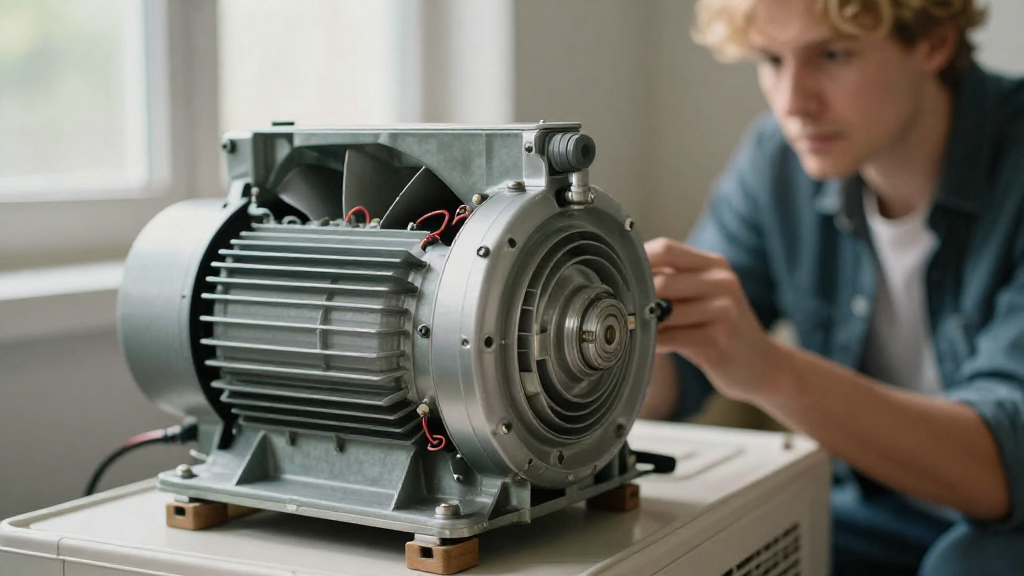
Are you experiencing air conditioning blower motor issues in your home or office?
This article will guide you through common problems, symptoms to look out for, and solutions to help you troubleshoot these issues effectively.
What Are Common Air Conditioning Blower Motor Issues?
Blower motor issues can cause discomfort during hot weather, leading to insufficient cooling or no airflow at all. Here are some common problems you might encounter:
-
No Airflow: The most obvious sign of blower motor issues is the absence of airflow. If your AC unit seems to be running, but there is no air coming from the vents, check the blower motor.
-
Inconsistent Airflow: If the airflow is weak or fluctuating, this could indicate a problem with the blower motor or related components.
-
Strange Noises: Unusual sounds like grinding, squeaking, or rattling can indicate mechanical problems with the blower motor.
-
Burnt Smell: A burnt odor while the AC is running can come from an overheating blower motor which may need to be replaced.
-
Frequent Cycling: If your air conditioner frequently shuts off and restarts, this could be related to the blower motor overheating due to excessive strain or other causes.
How Can You Identify Air Conditioning Blower Motor Problems?
Identifying air conditioning blower motor issues early can prevent a minor problem from escalating into a costly repair. Follow these steps to identify potential blower motor problems:
-
Check the Thermostat Settings:
– Ensure the thermostat is set to ‘cool’ mode and that the temperature settings are lower than the current room temperature.
– Verify that the thermostat is functioning properly; a malfunctioning thermostat could prevent the blower motor from activating. -
Inspect the Circuit Breaker:
– Check your circuit breaker or fuse for the AC unit. Sometimes, a tripped breaker or blown fuse can result in the blower motor not operating.
– If it has tripped, reset it and see if the blower motor starts. -
Examine the Air Filter:
– A dirty or clogged air filter can restrict airflow and make it seem like there are blower motor issues.
– Tip: Change or clean the air filter every 1-3 months to ensure adequate airflow. -
Listen for Unusual Sounds:
– Pay attention to any noises coming from the AC unit. Grinding, squeaking, or buzzing could indicate that the blower motor’s bearings are worn out or that there is debris obstructing it. -
Look for Physical Damage:
– Inspect the blower motor and its surrounding components for visible signs of wear, such as rust or damaged wiring.
What Should You Do if You Encounter Blower Motor Issues?
Once you’ve identified air conditioning blower motor issues, you can take steps to resolve them. Below are some troubleshooting tips:
-
Reset the System:
– Sometimes, simply resetting your AC system can resolve minor glitches. Turn off the unit completely, wait a few minutes, and then turn it back on. -
Replace the Air Filter:
– As mentioned earlier, a clogged filter can contribute to blower motor problems. Regular maintenance ensures the filter remains clean. -
Check for Obstructions:
– Ensure there are no obstructions around the blower motor or air vents. Remove any debris, dust, or furniture blocking the airflow. -
Inspect Electrical Connections:
– Look for loose or damaged electrical connections that might affect the blower motor’s performance. Ensure that the wiring is intact. -
Test the Capacitor and Relay:
– Use a multimeter to check the capacitor and start relay:- If the capacitor is faulty, it can prevent the motor from starting.
- If the relay fails, power may not reach the motor.
-
Check the Motor:
– If you’re comfortable with DIY repairs, check the blower motor for any visible signs of wear. If the motor is seized or burned out, it may need to be replaced. -
Get Professional Help:
– If you’re unable to resolve the issues on your own, it’s wise to contact a certified HVAC technician. They have the expertise to diagnose and fix complex air conditioning blower motor issues effectively.
How Often Should You Maintain Your AC System?
Regular maintenance helps prevent unforeseen air conditioning blower motor issues and prolongs the lifespan of your system.
Consider the following maintenance tips:
-
Monthly: Check and replace the air filter as necessary.
-
Seasonal: Schedule a professional inspection at the beginning of each cooling season.
-
This can identify any potential issues before the peak hot months.
-
Yearly: Clean the blower motor and surrounding components as part of your annual maintenance.
Why Is It Important to Address Blower Motor Issues Quickly?
Ignoring air conditioning blower motor issues can lead to:
-
Increased Energy Bills: A malfunctioning blower motor can cause your AC to work harder, increasing energy consumption.
-
System Failure: Prolonged issues can lead to complete failure of the air conditioning unit, resulting in expensive repairs or replacements.
-
Health Concerns: Poor airflow can lead to issues with indoor air quality, allowing dust, allergens, and mold to build up.
In conclusion, understanding how to troubleshoot air conditioning blower motor issues can save you time, money, and discomfort during hot weather. Always remember to perform regular maintenance and address any unusual signs immediately.
Contact a qualified technician for complex issues to ensure optimal performance of your air conditioning system for many years to come. Taking these proactive steps will enhance your AC’s efficiency and reliability, allowing you to enjoy a comfortably cool environment all summer long.