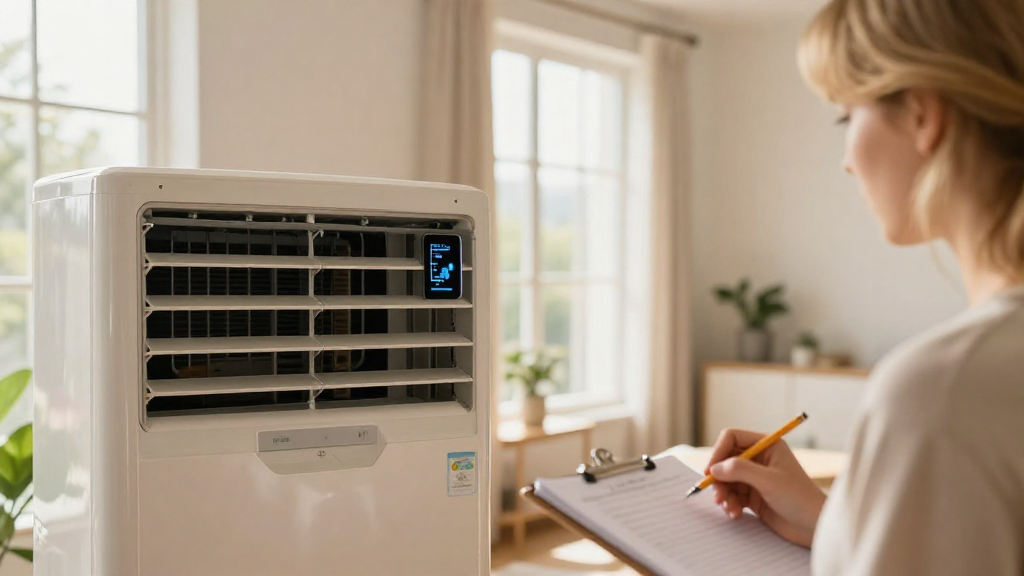
Measuring air conditioning cooling capacity is crucial for ensuring your HVAC system operates efficiently.
In this article, we will delve into the different methods to help you understand how to measure air conditioning cooling capacity effectively. Let’s break down the essential aspects!
What is Air Conditioning Cooling Capacity?
Air conditioning cooling capacity refers to the amount of heat that an air conditioning unit can remove from the indoor air within a specific time frame.
It is typically measured in BTUs (British Thermal Units) per hour.
Understanding your air conditioning cooling capacity is vital for several reasons:
- Efficiency: An adequately sized unit ensures that the space is cooled efficiently.
- Comfort: Proper cooling capacity enhances indoor comfort levels.
- Cost-effectiveness: Choosing the right capacity helps in minimizing energy costs.
How to Determine Required Air Conditioning Cooling Capacity
To effectively measure air conditioning cooling capacity, you first need to determine the required capacity for your space.
Follow these steps:
- Calculate the Area: Measure the length and width of the room to find the total square footage.
- Formula: Square Footage = Length × Width
-
Consider Room Height: If your ceiling is higher than the standard 8 feet, adjust your calculations accordingly.
-
Assess Virtual Heat Factors: Identify internal heat sources affecting the room:
- Number of occupants
- Appliances generating heat (TVs, computers, etc.)
- Windows and their exposure to sunlight
- Use BTU Recommendations: The general recommendation for cooling capacity is approximately 20 BTUs per square foot.
- For example, a 200 square foot room would require about:
- 200 ft² × 20 BTUs/ft² = 4,000 BTUs
How to Measure Existing Air Conditioning Cooling Capacity
If you already own an air conditioning unit, measuring its cooling capacity involves a different approach.
Here are the steps:
-
Check the Unit’s Specifications: Find the model number and look for the manufacturer’s specifications on the label.
-
Find the BTU Rating: Most air conditioning units will have a BTU rating listed. This is the cooling capacity provided by the manufacturer.
-
Consider the Age of the Unit: If your unit is older, it might not cool as effectively as before. Regular maintenance and checks can help restore some lost capacity.
-
Perform a Quick Test: You can conduct a simple test to measure air conditioning cooling capacity practically:
- Use a thermometer to record the temperature inside the room.
- Wait for about 30 minutes after turning on the unit.
- Record the temperature again.
- Calculate the difference.
A drop of 15°F to 20°F typically indicates a properly functioning unit, while delays in achieving this may signify reduced capacity.
What Tools are Required to Measure Air Conditioning Cooling Capacity?
Measuring air conditioning cooling capacity calls for specific tools and equipment. Here are the essentials:
- BTU Meter or Digital Thermometer: For measuring cooling output.
- Calculator: For calculating BTUs based on room measurements and other factors.
- HVAC Gauge Set: To assess the refrigerant levels and pressures.
Why Does Air Conditioning Cooling Capacity Matter?
The importance of measuring and understanding air conditioning cooling capacity cannot be understated. Here’s why:
-
Optimizing Energy Consumption: Choosing a unit with the right capacity helps lower energy bills and consumption.
-
Extending Equipment Life: Properly sized systems experience less stress and wear, extending their operational lifespan.
-
Enhancing Air Quality: Efficient cooling capacity improves humidity control and indoor air quality.
Can Air Conditioning Cooling Capacity Be Adjusted?
Yes, air conditioning cooling capacity can be adjusted through several methods:
-
Refrigerant Levels: Ensuring the refrigerant is at optimal levels is crucial. Too little or too much will affect cooling capacity.
-
Regular Maintenance: Seasonal checks and routine maintenance help maintain efficiency and performance.
-
Upgrading the Unit: If the unit is inadequate for your space, replacing or upgrading to a higher-capacity model may be necessary.
How to Choose the Right Air Conditioning Cooling Capacity for Your Needs
Choosing the right air conditioning cooling capacity involves several considerations:
-
Room Size: As mentioned, measure your room and calculate the corresponding BTUs needed.
-
Layout: Evaluate how the layout of your space affects air circulation.
-
Window Size and Direction: Bigger windows or those facing the sun may require additional capacity.
-
Insulation Quality: Better insulation leads to less heat gain, potentially allowing for a smaller capacity unit.
-
Local Climate: Areas with higher temperatures and humidity may require more cooling capacity.
Conclusion: Why It’s Critical to Measure Air Conditioning Cooling Capacity
In summary, understanding how to measure air conditioning cooling capacity is essential for an efficient and comfortable living environment.
By calculating the required capacity based on your space and regularly measuring the performance of your existing unit, you can optimize your home’s cooling system:
- Ensuring energy efficiency
- Improving comfort levels
- Extending the lifespan of your air conditioning equipment
With the tools and methods discussed in this article, you’ll be well-equipped to manage your air conditioning cooling capacity, leading to a more efficient and comfortable indoor climate. Don’t overlook this vital aspect of HVAC management – your comfort and savings depend on it!