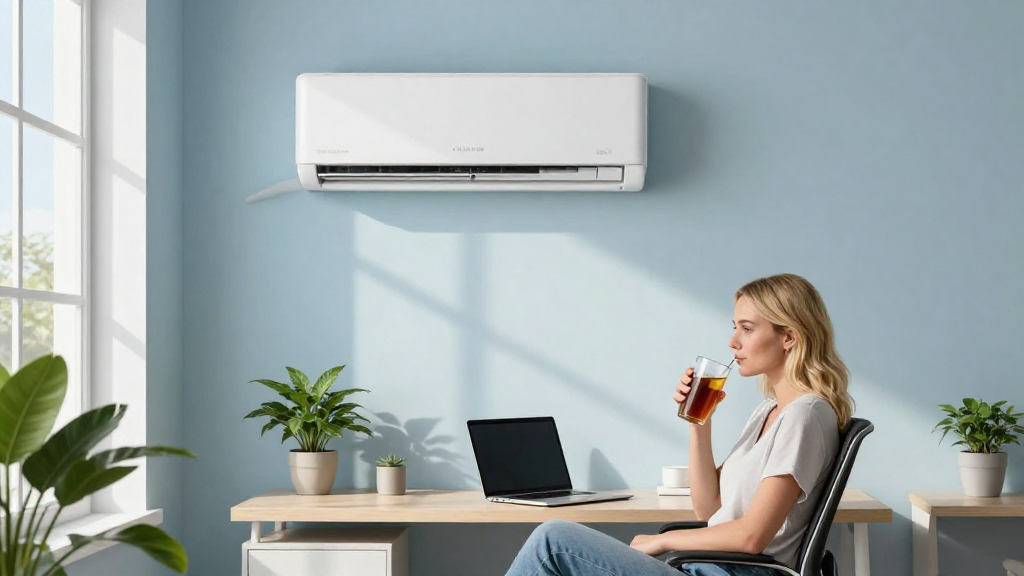
When it comes to working from home, creating a comfortable environment is essential for productivity and well-being. One of the best solutions for this is implementing air conditioning for home offices.
Why Invest in Air Conditioning for Home Offices?
Investing in air conditioning for home offices is not merely about comfort—it’s a critical step toward enhancing your work performance. A well-cooled office can boost your productivity, reduce fatigue, and create a pleasant atmosphere for working long hours.
What Types of Air Conditioning Systems are Suitable for Home Offices?
Choosing the right type of air conditioning for home offices depends on various factors, including space, budget, and personal preference. Here are some options to consider:
-
Window Units:
– Cost-effective
– Easy to install
– Ideal for small spaces -
Portable Air Conditioners:
– Flexible mobility
– No installation required
– Perfect for renters -
Ductless Mini-Split Systems:
– Energy-efficient
– Quiet operation
– Suitable for larger home offices -
Central Air Conditioning:
– Whole-house climate control
– Integrated with existing HVAC system
– Higher upfront costs
How to Choose the Right Size Air Conditioner for Your Office?
Sizing is crucial when selecting air conditioning for home offices. A unit that’s too small will struggle to cool your space, while one that’s too large can lead to high energy bills. Here’s how to determine the right size:
- Measure Your Space: Calculate the square footage of your office.
- Check BTU Ratings: Find units with appropriate BTUs (British Thermal Units) based on your room size:
- Up to 150 sq. ft. – 5,000 BTUs
- 150-250 sq. ft. – 6,000 BTUs
- 250-300 sq. ft. – 7,000 BTUs
How Can You Improve the Efficiency of Your Air Conditioning System?
Optimizing your air conditioning for home offices can further enhance efficiency and reduce energy costs. Consider these tips:
-
Seal Drafts: Use weatherstripping or caulk to seal windows and doors.
-
Insulate: Ensure your office is well-insulated to keep the cool air in and hot air out.
-
Use Ceiling Fans: Ceiling fans can circulate cool air effectively.
-
Close Curtains or Blinds: Block direct sunlight during peak hours.
What Maintenance is Required for Air Conditioning Units?
Regular maintenance will ensure your air conditioning for home offices runs efficiently. Here’s what you should do:
-
Clean or Replace Filters: Check filters monthly and replace or clean them every 1-3 months.
-
Inspect Coils: Ensure evaporator and condenser coils are clean and free of debris.
-
Check Drains: Verify that the condensate drain is clear to prevent water damage.
-
Schedule Professional Maintenance: Have a technician service your air conditioning at least once a year.
How Can You Control Humidity Alongside Air Conditioning?
Humidity can often become an issue in home offices, particularly in warmer months. To manage it effectively while using air conditioning, consider the following:
-
Dehumidifiers: Pairing a dehumidifier with your AC unit can significantly improve indoor air quality.
-
Air Conditioning Settings: Set your air conditioning to “cool” mode, which can help reduce humidity levels.
-
Ventilation: Ensure proper ventilation in your office to avoid mustiness.
Are There Budget-Friendly Tips for Air Conditioning in Home Offices?
Cooling your office space shouldn’t break the bank. Here are some budget-friendly ways to make the most of air conditioning for home offices:
-
Use Thermostats: Installing programmable or smart thermostats can help you maintain efficient temperature control.
-
Energy-Efficient Units: Look for Energy Star-rated units that promise energy efficiency.
-
Take Advantage of Off-Peak Hours: Run your air conditioning system during cooler parts of the day or during off-peak hours to save on utility bills.
What Role Does Air Quality Play in Your Home Office Comfort?
Assigning importance to air quality is essential for a productive work environment. Here’s how to maintain good air quality with your air conditioning for home offices:
-
Use Air Purifiers: An air purifier can filter out allergens and pollutants, ensuring you breathe clean air.
-
Regular Ventilation: Periodically open windows to let fresh air circulate in your office, balancing indoor air quality.
How Does Temperature Affect Your Work Performance?
The comfort level of your workspace can significantly impact your work performance.
Studies have shown that optimal working temperatures range from 70°F to 75°F (21°C to 24°C).
If your office is too hot or too cold, you might experience:
- Decreased concentration
- Increased fatigue
- Poor motivation
Conclusion: Why You Should Consider Air Conditioning for Your Home Office
Air conditioning for home offices is an essential element for creating a productive and pleasant workspace.
By investing in the right system, ensuring proper maintenance, and optimizing your environment, you can transform your home office into a comfortable haven that enhances efficiency and boosts mood.
So whether it’s a portable air conditioning unit or an integrated central system, finding the right solution will keep you cool and collected—literally!
This article is designed to provide valuable insights into air conditioning for home offices while also being optimized for search engines. Each section contains relevant keywords and is formatted for easy reading.